
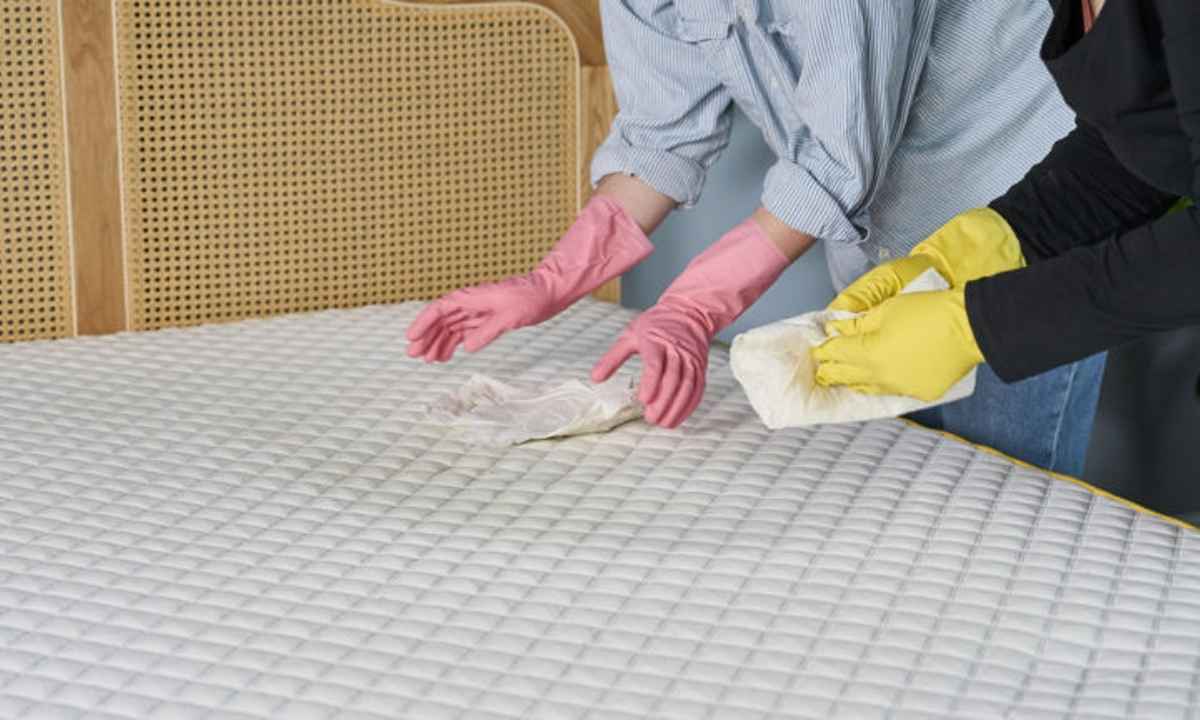
Your mattress harbors dust mites, dead skin, and allergens that accumulate silently. Most Americans replace mattresses after seven years, yet simple cleaning extends their life dramatically.
This guide reveals professional mattress cleaning techniques using household supplies. You’ll discover how to eliminate stains, neutralize odors, and create a healthier sleep environment. Better sleep starts with a clean foundation beneath you every night.
Why Cleaning Your Mattress Regularly Is Important
Your mattress collects more than you realize. Dead skin cells shed nightly become food for dust mites. These microscopic creatures thrive in warm, humid environments. A typical mattress contains between 100,000 to 10 million dust mites according to sleep researchers.
Regular mattress cleaning delivers multiple health benefits. You’ll breathe easier as allergens decrease. Skin irritations often improve with cleaner sleeping surfaces. Respiratory problems reduce when dust mite populations drop.
Financial sense matters too. Mattresses cost $500 to $3,000 or more. Proper maintenance extends their lifespan by years. Compare that to the minimal cost of cleaning supplies.
How Often Should You Clean a Mattress?
Establish a simple maintenance schedule. Vacuum your mattress weekly during regular sheet changes. This quick pass removes surface debris effectively.
Monthly deep cleaning works for most households. Increase frequency if you have pets sharing the bed. Allergies demand more attention, perhaps biweekly vacuuming sessions.
Quarterly deep cleans with full deodorizing maintain freshness. Consider professional cleaning annually if budget allows. Adjust based on your specific situation and climate conditions.
Supplies You Need to Clean a Mattress
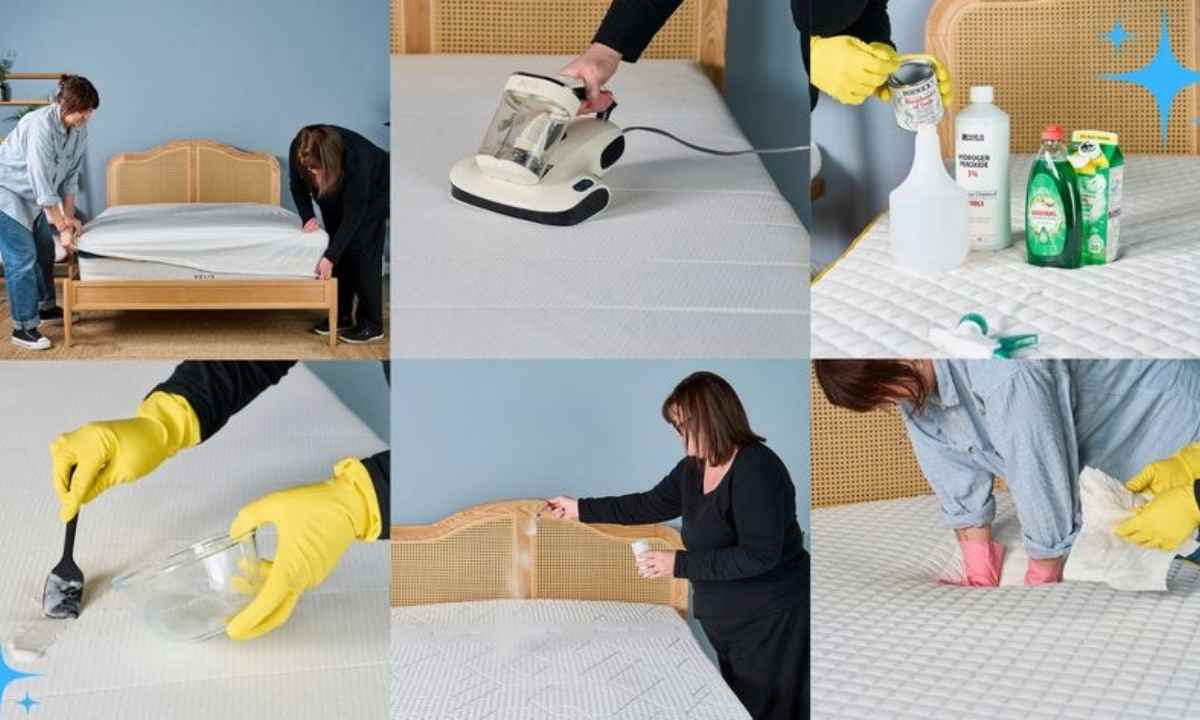
Gather these common household items:
- Vacuum cleaner with upholstery attachment
- Baking soda (your cleaning MVP)
- Clean white cloths or towels
- Spray bottle for solutions
- Cold water (never hot water)
- Hydrogen peroxide (3% solution)
- Mild dish soap
Optional additions include essential oils for fresh scent. Enzyme cleaners work brilliantly on organic stains. A handheld vacuum adds convenience to the process.
Avoid bleach completely as it damages mattress materials. Steam cleaners introduce excessive moisture that invites mold. Harsh chemicals create off-gassing concerns and material breakdown. Your total investment runs under $15 for supplies.
Check Out More: How to Clean a Microwave: Easy Step-by-Step Guide
Step-by-Step: How to Clean a Mattress Properly
Remove Bedding and Vacuum the Mattress
Strip everything from your mattress first. Remove sheets, mattress pads, and protectors completely. Wash all bedding in hot water at 130°F minimum to kill dust mites.
Attach the upholstery tool to your vacuum. Work methodically across the entire surface. Cover the top, sides, and seams thoroughly. Seams harbor the most dust mite waste and debris.
Use slow, overlapping passes for effectiveness. Flip the mattress if the design permits. Vacuum the second side with equal attention and care.
Spot Clean Stains and Spills
Address visible stains immediately after vacuuming. Always blot rather than rub stains. Rubbing spreads the stain deeper into fibers and makes removal harder.
Create a general cleaning solution by mixing two tablespoons cold water with one tablespoon hydrogen peroxide. Add a single drop of dish soap. Mix gently in your spray bottle.
Spray lightly on stained areas only. Blot with a clean white cloth repeatedly. Work from stain edges inward to prevent spreading. Change to a fresh cloth section frequently. Multiple light applications beat one heavy soaking.
Deodorize With Baking Soda
Sprinkle a generous layer of baking soda across the entire mattress surface. Cover every inch for maximum effectiveness. This simple powder neutralizes odors naturally rather than masking them. Let the baking soda sit for at least eight hours. Overnight works perfectly for busy schedules. Sunlight exposure enhances the deodorizing effect dramatically.
For enhanced freshness, add 10 to 15 drops of essential oil per cup of baking soda. Lavender promotes relaxation and better sleep quality. Tea tree oil offers natural antibacterial properties. Vacuum thoroughly to remove all baking soda residue. Don’t skip this step or you’ll sleep on gritty powder.
Let the Mattress Dry Completely
Proper drying prevents mold and mildew growth. Allow minimum eight hours for complete drying. Never sleep on a damp mattress under any circumstances.
Open bedroom windows to create cross-ventilation. Position fans pointing directly at the mattress surface. Run a dehumidifier in humid climates for faster results.
Check seams and edges carefully for remaining dampness. These areas take longest to dry completely. Humid regions may require 12 hours or more. Touch test all cleaned areas before replacing bedding.
How to Remove Mattress Stains and Odors
Sweat and Yellow Stains
Body oils and sweat create stubborn yellow discoloration. Protein-based stains always require cold water, never hot. Hot water sets protein stains permanently into fabric. Mix one cup of hydrogen peroxide with three tablespoons of baking soda. Add a few drops of liquid dish soap. Stir until baking soda dissolves completely.
Spray this solution generously on yellowed areas. Let it bubble and work for five to ten minutes. The fizzing action lifts stains from fibers. Blot with a damp cloth thoroughly. Repeat the process if stains persist. Prevention beats cure every time. Use mattress protectors to catch sweat before absorption occurs. Cotton bedding breathes better than synthetic materials and reduces oil transfer.
Urine and Spill Stains
Act immediately when accidents happen for best results. Blot fresh spills with towels before liquid soaks deeper. Enzyme cleaners excel at breaking down urine specifically.
For fresh urine accidents, blot excess liquid first. Apply enzyme cleaner or equal parts white vinegar and water. Let the solution sit for 10 to 15 minutes minimum. Blot again with a clean, damp cloth.
Sprinkle baking soda generously over the treated area. Leave it until completely dry, then vacuum thoroughly. Old set-in stains may require multiple treatment rounds for complete removal. Black lights reveal hidden urine spots invisible to naked eyes. Consider this tool if odors persist without visible stains.
How to Disinfect a Mattress Safely
Disinfection kills bacteria, viruses, and dust mites effectively. This step proves particularly important after illness or for allergy sufferers. Fill a spray bottle with 70% isopropyl alcohol. Mist the entire mattress surface lightly and evenly. Alcohol evaporates quickly while killing germs on contact. No rinsing required afterward.
Alternatively, use 3% hydrogen peroxide in a spray bottle. Light misting disinfects without harsh chemicals while brightening the fabric simultaneously. Sunlight provides natural disinfection benefits. UV rays kill dust mites and neutralize odors effectively. Position your mattress near a sunny window for two to three hours.
Avoid bleach completely as it damages materials permanently. Ammonia creates harmful fumes dangerous for enclosed spaces. Professional steam cleaning works but home steamers introduce too much moisture risk.
Tips to Keep Your Mattress Clean and Fresh Longer
Daily habits make tremendous differences over time. Make your bed every morning to allow moisture escape. Air out your bedroom briefly each day for fresh circulation. Weekly sheet washing in hot water prevents buildup. Quick vacuum passes during sheet changes maintain cleanliness. Rotate your mattress 180 degrees monthly to distribute wear evenly.
Invest in a quality waterproof mattress protector immediately. This single purchase prevents most stains and extends mattress life significantly. Choose breathable, washable materials for comfort and hygiene.
Control your bedroom environment carefully. Maintain humidity between 30 to 50 percent using a dehumidifier if necessary. Keep the temperature cool at 60 to 67°F for optimal sleep conditions. Consider replacement when visible sagging appears or age exceeds seven to ten years. Persistent odors despite thorough cleaning signal the end of useful life.
Conclusion
Cleaning your mattress takes just 30 minutes of active work but delivers years of better sleep. You’ve learned professional techniques using simple household supplies. Start with a thorough vacuum today and schedule your first deep clean.
Your mattress supports you every night without complaint. Return the favor with proper care and maintenance. Better sleep, improved health, and significant savings await your action.