
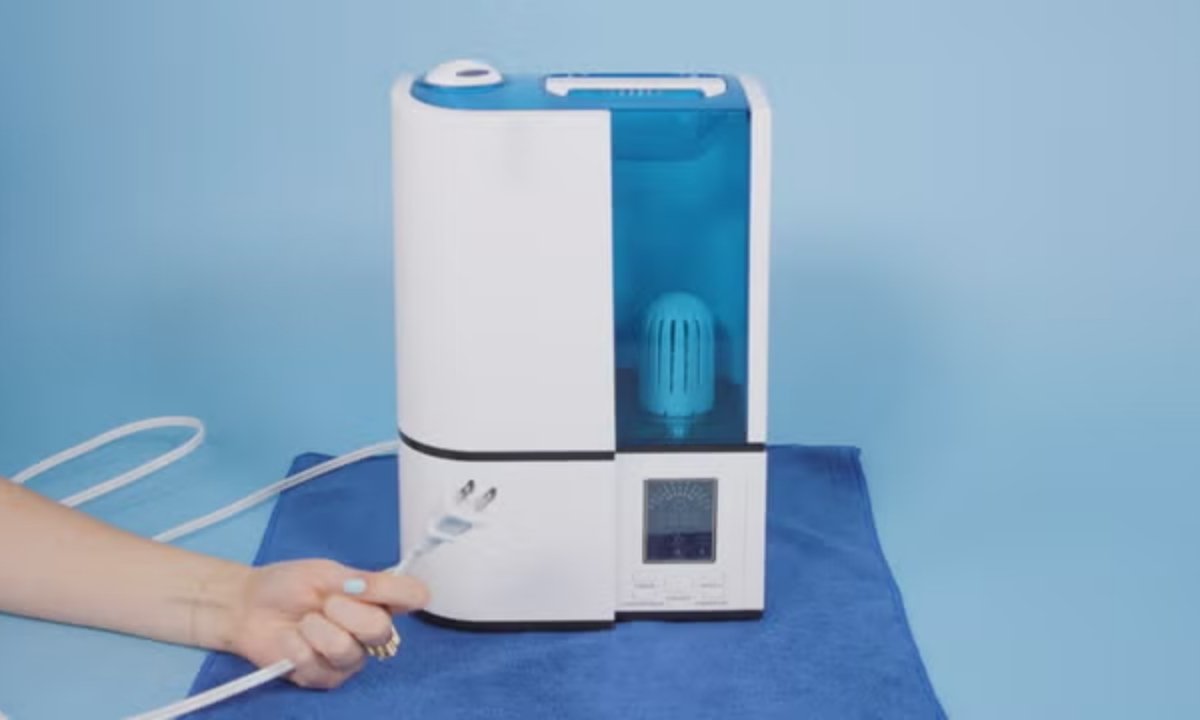
Your humidifier works hard every night. But here’s the uncomfortable truth: if you aren’t cleaning it regularly, it might be pumping bacteria and mold spores straight into your air. That’s not what you signed up for.
This guide walks you through exactly how to clean a humidifier the right way, step by step, so your home stays fresh and your family breathes easy all season long.
Why Cleaning Your Humidifier Matters
Dirty humidifiers are a genuine health hazard. Standing water inside the tank creates the perfect breeding ground for bacteria, mold, and mineral scale. When the unit runs, it sends all of that airborne.
The EPA warns that poorly maintained humidifiers can trigger respiratory infections, worsen asthma, and cause a flu-like condition called humidifier fever. Children and elderly adults face the highest risk. If you notice a musty smell, visible pink or black slime, or white crust around the tank, your humidifier is overdue for a serious clean.
How Often to Clean a Humidifier
Most people clean their humidifiers far less often than they should. Here’s a simple schedule to follow:
| Usage Level | Cleaning Frequency |
| Daily use | Full clean weekly, rinse daily |
| 3 to 4 times per week | Every 10 days |
| Occasional use | Before and after each use |
| End of season | Full disinfect before storage |
The CDC recommends a full clean at least once a week for humidifiers in regular use. Hard tap water speeds up mineral buildup, so if you live in cities like Phoenix or Houston where water hardness is high, you may need to clean more often.
How to Clean a Humidifier with Vinegar
White vinegar is your best friend here. It’s cheap, non-toxic, and cuts through mineral deposits fast. You don’t need anything fancy.
What you’ll need:
- Undiluted white distilled vinegar
- A soft brush or old toothbrush
- Clean cloths or paper towels
- Access to a sink
Step-by-step process:
- Unplug the humidifier completely
- Disassemble the tank, tray, and all removable parts
- Pour undiluted vinegar into the water tank
- Let it soak for 30 to 60 minutes
- Swirl and shake the tank gently
- Scrub any deposits with your soft brush
- Rinse every part thoroughly with clean water
- Wipe the base with a vinegar-soaked cloth
- Let all parts air dry before reassembling
Never mix vinegar with bleach. That combination creates toxic fumes. Keep it simple and stick to one at a time.
How to Disinfect a Humidifier
Vinegar handles mineral buildup brilliantly but it doesn’t kill all bacteria. For a proper disinfection, you’ll need something stronger.
You have two main options:
Option 1: Diluted bleach solution Mix 1 teaspoon of bleach per gallon of water. Fill the tank, let it soak for 30 minutes, then rinse multiple times. Bleach residue in the mist is harmful, so rinsing thoroughly is non-negotiable.
Option 2: Hydrogen peroxide (3%) A great natural alternative. Pour it into the tank, let it sit for 30 minutes, then rinse well. It’s gentler than bleach and still highly effective against bacteria and mold.
Different humidifier types need slightly different approaches:
- Ultrasonic models: Clean the nebulizer carefully with a soft brush
- Evaporative models: Focus on the wick and water reservoir
- Warm mist models: Descale the heating element regularly
- Whole-house units: Consider professional servicing once a year
How to Clean a Humidifier Filter
The filter is often the most neglected part. It traps minerals and bacteria over time and if you ignore it, no amount of tank cleaning will fix your air quality problem.
Here’s the reality: most wick filters can’t be fully restored once they’re saturated with mineral deposits. Cleaning helps short-term but replacement is usually the better call.
When you can clean a reusable filter:
- Remove it carefully
- Rinse under cool running water only (hot water damages fibers)
- Soak in white vinegar for 20 to 30 minutes
- Rinse again and squeeze gently
- Air dry completely before reinstalling
| Filter Type | Cleanable | Replace Every |
| Wick or Evaporative | Partially | 1 to 3 months |
| Demineralization | No | 4 to 8 weeks |
| HEPA Pre-filter | Yes (rinse only) | 3 to 6 months |
| Foam or Mesh | Yes | 1 to 2 months |
Brands like Levoit, Honeywell, and Vicks all publish replacement schedules in their manuals. Follow them.
How to Remove Mold and Mineral Buildup
Mold in a humidifier usually looks pink, black, or green. Pink slime is actually a bacteria called Serratia marcescens. It’s common and unpleasant. Black or green spots are true mold and need immediate attention.
To remove mold:
- Put on rubber gloves first
- Disassemble the unit fully
- Apply undiluted vinegar or diluted bleach to affected areas
- Let it sit for at least 30 minutes
- Scrub with a soft brush
- Rinse multiple times
- Disinfect the whole unit afterward
- Dry every part completely before use
For stubborn white mineral scale, a citric acid soak works faster than vinegar. Mix 1 tablespoon of citric acid powder into a cup of warm water and apply directly to scaled areas. It dissolves calcium deposits quickly without scratching the plastic.
The single best prevention tip? Use distilled water instead of tap water. It dramatically reduces mineral buildup and extends the time between deep cleans.
Humidifier Cleaning FAQs
Can I run vinegar through my humidifier to clean it?
No. Always clean, rinse completely, then refill with plain water before running.
What happens if I never clean it?
Bacteria and mold multiply in the tank and get dispersed as mist into your air, increasing your risk of respiratory illness.
How do I clean a cool mist humidifier specifically?
Follow the vinegar soak method above. Pay extra attention to the misting nozzle and the base reservoir.
My humidifier still smells after cleaning. Now what?
Try a citric acid rinse cycle. If the smell persists, check your filter. A filter that’s past its lifespan holds onto odors no matter how well you clean everything else.
Conclusion
Cleaning your humidifier takes less than an hour and protects your family from bacteria, mold, and poor air quality. Stick to a weekly routine, use distilled water, and replace filters on schedule.
These small habits make a big difference. A well-maintained humidifier does exactly what it’s supposed to do and nothing more. Take care of it and it’ll take care of you and everyone in your home.