
Your morning shower should feel refreshing. But if the water trickles out unevenly or sprays sideways, your shower head is probably clogged. Hard water minerals build up fast, especially across 85% of U.S. homes.
The good news? You don’t need a plumber or expensive products. This guide walks you through exactly how to clean a shower head using simple household items you likely already own.
Why You Should Clean Your Shower Head Regularly
Most people never think about cleaning their shower head until something goes wrong. By then, the buildup is already doing damage. Limescale and mineral deposits restrict water flow, reduce pressure and force your water heater to work harder. That means higher utility bills for no good reason.
Here’s something most people don’t know. A study referenced by the CDC found that dirty shower heads can harbor dangerous bacteria, including Mycobacterium avium, which is linked to lung infections. That’s not something you want raining down on you every morning.
Regular cleaning also protects your fixture. A well-maintained shower head lasts 10 to 15 years. A neglected one? You’re lucky to get five.
Signs Your Shower Head Is Clogged
Catching the problem early makes cleaning far easier. Watch out for these warning signs:
- Uneven spray patterns with some nozzles completely blocked
- White, green or brown crust forming around the nozzle holes
- Noticeably weak water pressure
- Hissing or squealing sounds during use
- Discolored water during the first few seconds of flow
If two or more of these sound familiar, it’s time to clean your shower head right now.
How to Clean Shower Head with Vinegar
White distilled vinegar is the gold standard for shower head cleaning. It’s cheap, non-toxic and dissolves mineral deposits without damaging most fixtures. A gallon costs under $5 at any U.S. grocery store and handles months of buildup in a single soak.
Cleaning Without Removing It
This is the easiest method and works great for regular maintenance. Here’s what you need:
| Item | Where to Find It |
| White distilled vinegar | Any grocery store |
| Plastic zip-lock bag | Dollar store |
| Rubber band or zip tie | Hardware store |
| Old toothbrush | Already at home |
| Microfiber cloth | Walmart or Target |
Step-by-step process:
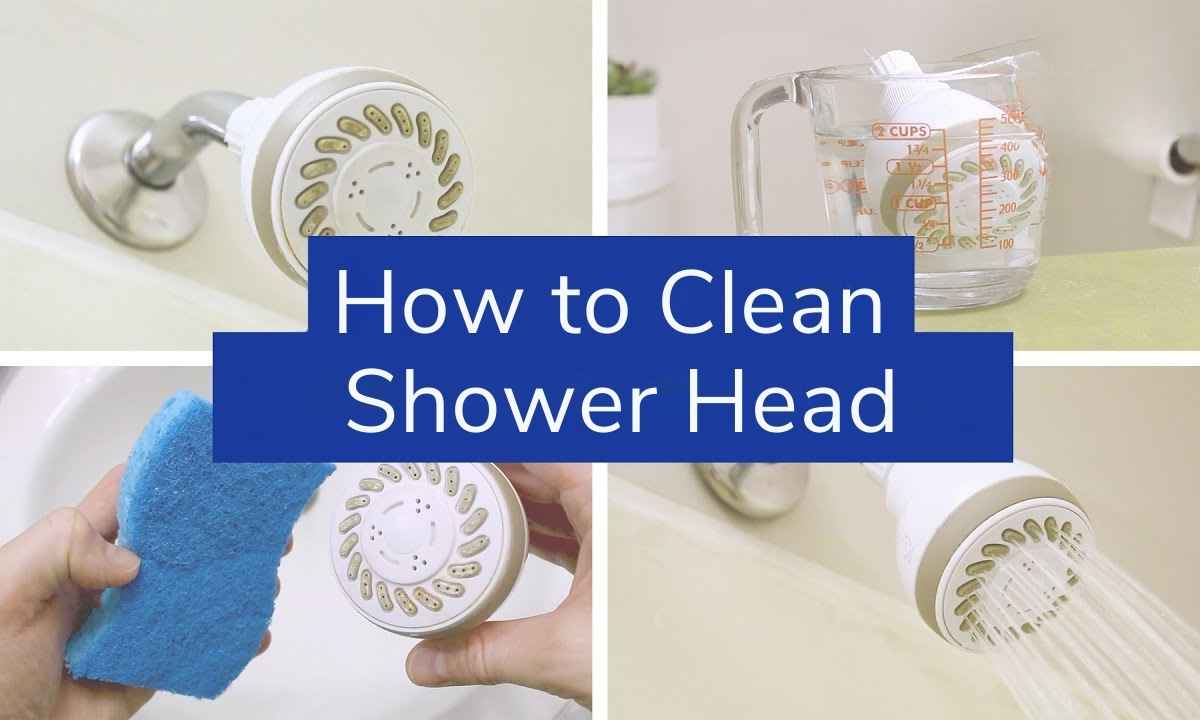
- Fill a zip-lock bag with undiluted white vinegar
- Submerge the shower head fully inside the bag
- Secure it tightly with a rubber band
- Let it soak for at least 30 minutes, or overnight for heavy buildup
- Remove the bag and flush with hot water for 60 seconds
- Scrub remaining residue with an old toothbrush
- Wipe dry with a microfiber cloth
One important note. Never use vinegar on gold or brass fixtures. It strips the finish fast.
Deep Cleaning After Removing It
For serious buildup, removing the shower head gives you full access to every crevice. It sounds intimidating but takes under 20 minutes.
- Turn off the shower valve completely
- Unscrew the shower head using an adjustable wrench wrapped in a cloth to protect the finish
- Disassemble any removable parts like the filter screen
- Submerge everything in a bowl of white vinegar for one to two hours
- Scrub with a toothbrush and rinse under warm running water
- Reassemble and reattach, then check for leaks
How to Clean Shower Head with Baking Soda
Baking soda brings something vinegar can’t. It’s mildly abrasive, so it physically scrubs grime while also deodorizing the fixture. It’s also completely safe on all finish types including chrome, nickel and brass.
Natural DIY Cleaning Method
Mix baking soda and white vinegar together and you get a fizzing reaction that breaks down stubborn deposits fast. Think of it as a gentle exfoliant for your plumbing.
Here’s the method:
- Mix three parts baking soda with one part white vinegar to form a paste
- Apply the paste directly onto the nozzles
- Let it fizz and sit for 15 to 20 minutes
- Scrub with a toothbrush using circular motions
- Rinse thoroughly with warm water
For a deeper soak, dissolve half a cup of baking soda in a bag of warm water, attach it to the shower head and let it sit for 30 minutes. Follow with a vinegar rinse for best results.
Read Also: How to Clean Dryer Vent Safely
How to Clean a Severely Clogged Shower Head
Sometimes a quick soak just won’t cut it. Years of hard water buildup can calcify nozzles completely. If you live in cities like Phoenix, Las Vegas or Houston, you already know how brutal hard water can be.
Removing Mineral Deposits and Hard Water Stains
Here’s a breakdown of cleaning methods based on how bad the buildup actually is:
| Buildup Level | Best Method | Soak Time |
| Light | Vinegar bag soak | 30 minutes |
| Moderate | Baking soda and vinegar paste | 1 to 2 hours |
| Severe | Overnight vinegar soak | 8 to 12 hours |
| Extreme | CLR cleaner or replacement | Under 2 minutes for CLR |
CLR (Calcium, Lime and Rust remover) is available at Home Depot and Walmart. It’s powerful stuff. Dilute it as directed and never let it sit longer than two minutes. Rinse extremely well afterward.
If cleaning still doesn’t restore water pressure, replace the internal filter screen. It costs under $5 at any hardware store. If the shower head is over ten years old or visibly cracked, replacing the whole unit is honestly the smarter move.
How Often Should You Clean a Shower Head?
This depends entirely on your water type. The Water Quality Association provides hard water data by U.S. state so you can check exactly what you’re dealing with.
| Water Type | Recommended Frequency |
| Soft water | Every 2 to 3 months |
| Moderately hard water | Once a month |
| Very hard water | Every 2 to 3 weeks |
Set a monthly reminder on your phone right now. It takes less than an hour and saves you from costly repairs or replacements down the road.
Frequently Asked Questions
How do I clean a shower head without removing it?
Soak it in a vinegar-filled bag secured with a rubber band overnight.
How often should you clean your shower head?
Clean it monthly, or every two weeks if you have very hard water.
Can baking soda damage my shower head finish?
No, baking soda is gentle and safe on chrome, nickel and brass fixtures.
What removes hard water stains from a shower head?
White vinegar or CLR cleaner dissolves mineral deposits and hard water stains effectively.
When should I replace instead of clean my shower head?
Replace it when it’s over ten years old or pressure never improves.
Final Tips to Keep Your Shower Head Clean Longer
Cleaning reactively is fine. But preventing buildup in the first place is smarter. A few simple habits make a huge difference.
- Keep a spray bottle of diluted vinegar nearby and spritz the shower head after every few showers
- Wipe the nozzle face dry after use to stop mineral deposits forming
- Consider installing a shower filter if you live in a hard water zone
- Choose a shower head with rubber nozzles. You can literally rub the mineral buildup off with your thumb
- Avoid bleach-based cleaners on metal fixtures since they cause corrosion over time
Quick tip from real homeowners: a weekly 30-second wipe-down prevents the need for deep cleaning almost entirely. Small effort. Big payoff.