
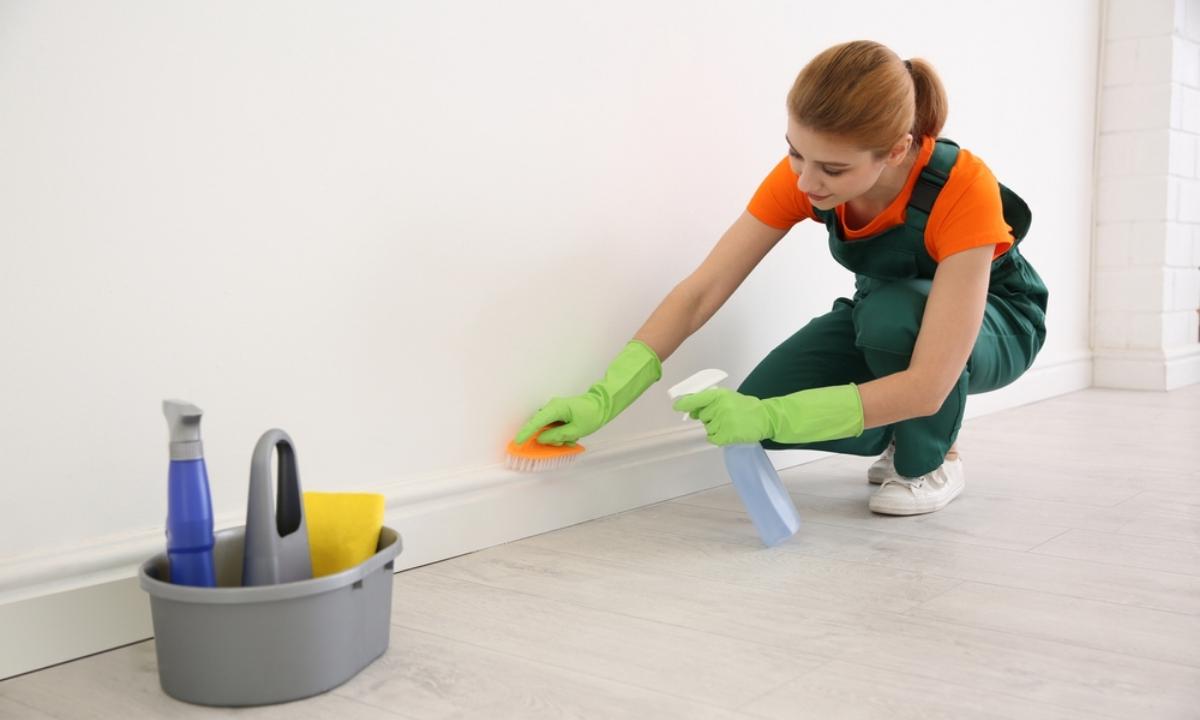
You just cleaned your entire house. Floors mopped, counters wiped, rugs vacuumed. But something still feels off. Look down. It’s the baseboards. Dusty, scuffed, and completely overlooked. Most Americans skip baseboards entirely during their weekly clean.
This guide shows you exactly how to clean baseboards easily, keep them dust-free longer, and make the whole process far less painful than you think.
Why Cleaning Baseboards Regularly Matters
Baseboards sit right at floor level, which makes them a magnet for everything: dust, pet hair, allergens, and scuff marks from shoes and furniture. According to the EPA, indoor air can be two to five times more polluted than outdoor air. Dusty baseboards contribute directly to that problem.
Beyond air quality, dirty baseboards make an otherwise spotless room look neglected. Real estate agents actually check baseboards during home showings because buyers notice them. Think of it this way: ignoring baseboards is like washing your face but skipping your neck. People notice more than you think.
Regular baseboard cleaning also protects your paint. Grime that sits too long bonds to the surface and causes yellowing, especially on white semi-gloss finishes common in American homes.
Signs Your Baseboards Need a Deep Cleaning
Not sure if yours are due for a clean? Check this quick list.
| Sign | Where It Usually Appears |
| Gray dust buildup | Top ledge of the baseboard |
| Scuff marks | Near doorways and hallways |
| Yellowing or discoloration | Kitchens and bathrooms |
| Pet hair clumps | Along walls in carpeted rooms |
| Sticky residue | Kitchen baseboards near the stove |
If you spot two or more of these, it is time for a proper clean.
How to Clean Baseboards Step by Step
Before you start, gather your supplies. You will need a microfiber cloth, a vacuum with a brush attachment, warm water, dish soap, an old toothbrush, a Magic Eraser, and dryer sheets. Having everything ready before you kneel down saves a lot of back-and-forth.
Remove Loose Dust and Debris First
Always start dry. Never go straight to wet cleaning on a dusty surface. You will just smear the dust into a muddy film that is harder to remove.
Run a vacuum brush attachment along the top edge and flat face of each baseboard. For corners, wrap a dry microfiber cloth around a butter knife or use an old toothbrush. Work room by room so you do not track loosened dust back into areas you already cleaned.
Wipe with Warm Soapy Water
Mix a few drops of dish soap into a bucket of warm water. Wring your cloth out thoroughly. A soaking wet cloth is your enemy here because excess moisture can seep behind the baseboard, warp the drywall, and cause paint to bubble over time.
Wipe in long, smooth strokes from left to right. Rinse your cloth frequently. For textured or detailed molding, use a toothbrush to get into the grooves. Think of it like washing dishes. You would not scrub a plate with a dripping sponge.
Scrub Stubborn Stains and Scuff Marks
For tough stains, mix baking soda with a little water to form a paste. Apply it, let it sit for two minutes, then scrub gently with a toothbrush. For scuff marks, a damp Magic Eraser is your best tool. It lifts rubber and shoe sole residue fast.
One important caution: avoid abrasive scrubbing pads on painted baseboards. They scratch the finish and leave dull streaks that are impossible to fix without repainting.
Dry and Polish for a Finished Look
Dry the baseboard immediately with a clean microfiber cloth. Do not let water sit on the surface. Once dry, run a fresh dryer sheet along the entire length of the baseboard. This is the most underrated baseboard trick out there. Dryer sheets leave an anti-static residue that repels dust, meaning your baseboards stay cleaner far longer between cleans.
How to Clean Baseboards Without Bending Over
Bad knees? A sore back? You do not need to crouch on the floor to get clean baseboards. Attach a microfiber cloth to a Swiffer or long-handled duster and run it along the baseboard at floor level. The OXO Good Grips Extendable Scrubber works brilliantly for this exact task.
For vacuuming, use a long crevice tool that reaches the floor without requiring you to bend. This method is not just for people with mobility issues. Anyone cleaning an entire house in one session will appreciate skipping the kneeling entirely. Work smarter, not harder.
You May also Like: How to Clean a Coffee Maker the Easy Way at Home
How to Clean Painted Baseboards Safely
White painted baseboards are the most common style in American homes and also the most unforgiving. Every smudge shows. But using the wrong cleaner makes things worse.
| Cleaner | Safe for Painted Baseboards | Notes |
| Dish soap and warm water | Yes | Best everyday option |
| White vinegar and water | Yes | Great for yellowing |
| Magic Eraser | Use sparingly | Can dull glossy finishes |
| Undiluted bleach | No | Causes yellowing and damage |
| Abrasive powder cleaners | No | Scratches paint finish |
| Baby wipes | Yes | Gentle for quick touch-ups |
Stick to dish soap and warm water for routine cleaning. For yellowed baseboards, a 50/50 mix of white vinegar and water works gently without stripping the paint. Always dry immediately after wiping. Moisture is the enemy of painted wood.
Best Homemade Solutions for Cleaning Baseboards
Store-bought cleaners work fine but these DIY options are cheaper, safer, and just as effective.
All-Purpose Baseboard Spray Mix 1 cup warm water, 1 tablespoon dish soap, and 1 tablespoon white vinegar in a spray bottle. Spray, wipe, done.
Baking Soda Paste for Tough Stains Combine 2 tablespoons baking soda with just enough water to form a paste. Apply with a toothbrush, scrub gently, and rinse clean.
Wood Baseboard Conditioner Mix equal parts olive oil and white vinegar. This cleans and conditions natural wood baseboards in one step. It smells a little sharp when wet but dries beautifully.
These three recipes handle 95% of baseboard cleaning situations. You probably already have every ingredient in your kitchen right now.
How to Remove Scuff Marks from Baseboards
Scuff marks look like paint damage but they usually are not. Most scuffs are just rubber residue from shoes or furniture legs sitting on the baseboard surface. Good news: they come off easily.
Follow these five steps:
- Dampen a Magic Eraser slightly
- Rub the scuff in gentle circular motions
- Wipe the area with a clean damp cloth
- Dry immediately with a microfiber cloth
- Finish with a dryer sheet to repel future marks
For deeper marks that go into the paint, touch up with matching paint using a small artist’s brush. Keep leftover paint from your last wall paint job labeled and stored for exactly this reason.
How Often Should You Clean Baseboards?
Most people clean baseboards once a year during a spring clean. That is not enough.
| Cleaning Task | Recommended Frequency |
| Dusting | Every 2 to 4 weeks |
| Spot cleaning scuffs | As needed |
| Full wipe-down | Every 1 to 2 months |
| Deep clean all rooms | Every 3 to 4 months |
| Paint touch-ups | Annually or as needed |
Pet owners should bump every timeline up by at least one step. A dog that sheds heavily can coat baseboards in a fuzzy gray layer within two weeks. High-traffic areas like hallways, mudrooms, and kitchens always need more frequent attention than bedrooms.
Common Baseboard Cleaning Mistakes to Avoid
- Skipping the dry dusting step first. Wet wiping a dusty surface just spreads grime.
- Using too much water. It warps drywall and peels paint.
- Using bleach or ammonia on painted wood. Both degrade finishes fast.
- Ignoring corners. That is where mold quietly starts.
- Using rough scrubbing pads on glossy paint. They scratch permanently.
- Cleaning too infrequently. Hardened dust takes three times longer to remove.
Tips to Keep Baseboards Cleaner for Longer
Prevention beats cleaning every time. A few simple habits dramatically cut down how often you need to do a full clean.
Run a dryer sheet along your baseboards after every deep clean. Place doormats at every entry point to reduce tracked-in debris. Keep pets groomed because less shedding means less buildup. Consider a robot vacuum with edge-cleaning capability for hands-off daily maintenance. A HEPA air purifier also reduces overall airborne dust, which means less settling on every surface in your home, including baseboards.
One easy habit: add baseboards to your regular vacuuming routine. While you vacuum the floors, run the brush attachment along the base of every wall. It takes two extra minutes and saves you an hour of scrubbing later.
Conclusion
Clean baseboards make a bigger difference than most people expect. A fresh, dust-free baseboard line changes how an entire room feels. You do not need fancy products or hours of scrubbing.
Warm soapy water, a microfiber cloth, and a dryer sheet finish are genuinely all you need. Build baseboard cleaning into your regular routine and you will never face that grim deep-clean situation again. Start today. Your floors will thank you.