
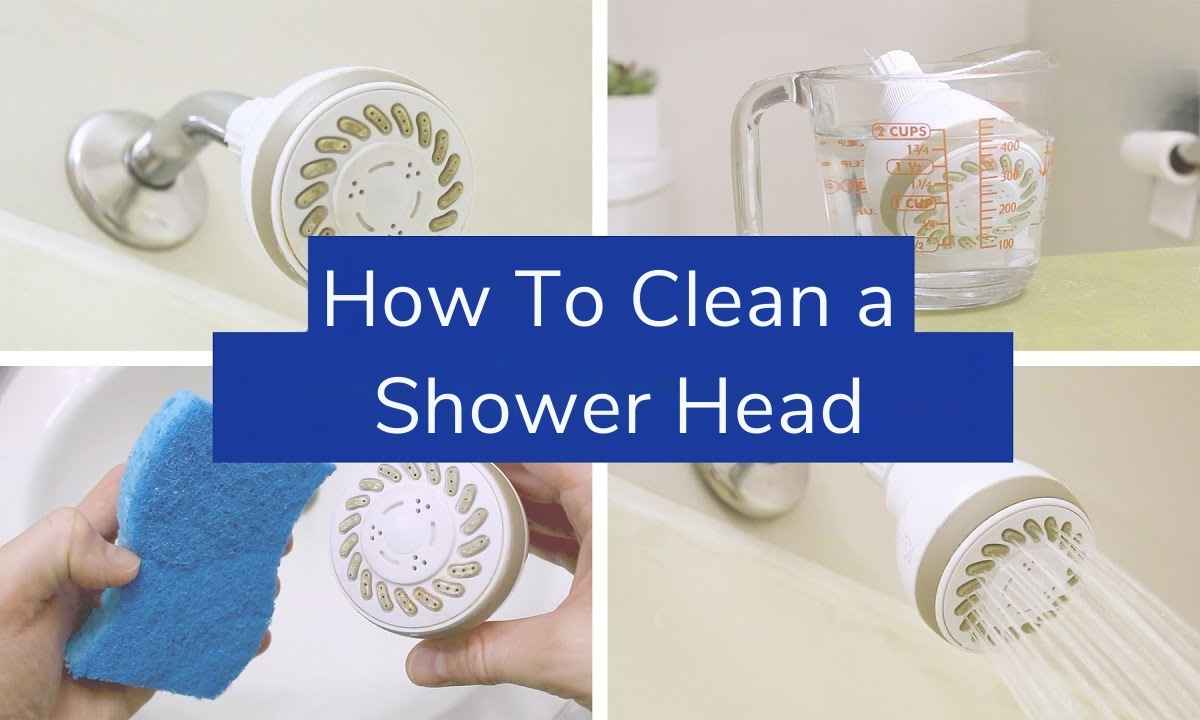
A dirty shower head is something most people ignore until the water pressure drops or the spray goes sideways. Mineral deposits, limescale, soap scum, and even mold can quietly build up inside and around the nozzles over time.
The good news? You do not need expensive products or a plumber. With a few household items and 30 to 60 minutes, your shower head can spray like new again.
Why Your Shower Head Gets Dirty
Every time water passes through your shower head, it leaves behind tiny mineral particles. In hard water areas, this happens faster because the water carries higher levels of calcium and magnesium. Over time, these minerals form a crusty buildup around the spray holes, commonly called limescale or calcium deposits.
Other causes include:
- Soap scum sticking to the nozzle surface
- Mold and mildew growing in the damp, warm environment
- Sediment from old pipes blocking the internal filter screen
When these build up enough, you will notice uneven spray patterns, low water pressure, or water spraying in the wrong direction.
What You Need Before You Start
You likely already have everything required at home. Here is a quick checklist:
| Item | Purpose |
| White distilled vinegar | Dissolves mineral deposits and limescale |
| Baking soda | Removes odors and boosts cleaning power |
| Plastic zip-lock bag | For soaking without removing the head |
| Rubber band or zip tie | Secures the bag to the shower arm |
| Old toothbrush | Scrubs tight nozzle holes |
| Soft microfiber cloth | Polishes and dries the surface |
| Adjustable wrench | Loosens the shower head if removal is needed |
| Plumber’s tape (PTFE tape) | Seals threads when reattaching |
Method 1: Clean a Shower Head Without Removing It
This is the easiest method and works well for regular maintenance or light to moderate buildup.
- Fill a plastic zip-lock bag with equal parts white vinegar and water. For heavy buildup, use pure undiluted white vinegar.
- Submerge the shower head face fully into the bag so all nozzles are covered.
- Wrap a rubber band or zip tie tightly around the neck of the shower arm to hold the bag in place.
- Leave it to soak for at least 30 minutes. For heavy mineral buildup or hard water deposits, leave it for up to 8 hours or overnight.
- Remove the bag and discard the solution.
- Turn the shower on hot for one to two minutes to flush out loosened deposits from inside.
- Scrub the nozzle holes with an old toothbrush to clear any remaining residue.
- Wipe the surface dry with a soft cloth.
Important note: If your shower head is made of brass, gold, or nickel, do not soak for more than 30 minutes. Prolonged vinegar contact can damage these finishes.
Method 2: Deep Clean by Removing the Shower Head
For a thorough descale, removing the shower head gives you better access to every part including the internal filter screen.
- Place a towel over the drain to catch any small parts that may fall.
- Wrap a microfiber cloth around the connecting nut to protect the finish, then use an adjustable wrench to unscrew the shower head.
- Check inside the nut for a rubber gasket and screen. Keep these safe as they are essential for a watertight seal.
- Fill a bowl or bucket with undiluted white vinegar and fully submerge the shower head.
- Soak for one to two hours, or longer if the buildup is severe.
- Use a toothbrush to scrub the spray face and around each nozzle.
- If any holes are still blocked, gently push a straightened paper clip or toothpick through each one.
- Rinse thoroughly under cold running water for one to two minutes.
- Dry with a soft cloth before reattaching.
When reattaching, remove any old plumber’s tape from the threads and apply a fresh layer before screwing the shower head back on. This prevents leaks and ensures a secure fit.
Must Read: How to Clean Quartz Countertops
Method 3: Baking Soda Paste for Stubborn Spots
When vinegar alone is not enough, baking soda adds gentle abrasive cleaning power.
Mix baking soda with just enough water to form a thick paste. Apply it directly to the affected nozzles and surface. Let it sit for 20 to 30 minutes, then scrub with a damp toothbrush. Rinse by turning the shower on and letting it run for a minute.
You can also combine both methods. Add a quarter cup of baking soda to three cups of white vinegar in the zip-lock bag. It will fizz and bubble, which helps break down tough mineral deposits more effectively.
How Often Should You Clean Your Shower Head
Cleaning frequency depends on your water quality and usage. Here is a simple guide:
| Water Type | Recommended Cleaning Frequency |
| Soft water area | Every 2 to 3 months |
| Moderate hard water | Once a month |
| Hard water area | Every 2 to 3 weeks |
After each shower, a quick wipe with a dry microfiber cloth removes water droplets before they evaporate and leave mineral stains. This simple habit significantly slows down buildup between deep cleans.
Quick Tips to Prevent Future Buildup
- Wipe the shower head dry after every use
- Do a light vinegar soak once a month even if buildup is not visible
- Consider a water softener if you live in a hard water area
- Avoid abrasive sponges or harsh chemical sprays that can damage the finish and void the product warranty
Frequently Asked Questions
How long should I soak my shower head in vinegar?
Soak for at least 30 minutes for light buildup, or up to 8 hours overnight for heavy limescale deposits.
Can I use apple cider vinegar instead of white vinegar?
White distilled vinegar works best. Apple cider vinegar can leave residue and is less effective on mineral deposits.
Is it safe to leave vinegar on a chrome shower head overnight?
Yes, chrome is safe for overnight soaking. Avoid overnight soaks for brass, gold, or nickel finishes as vinegar can dull them.
Why is my water pressure still low after cleaning?
The internal filter screen may still be clogged. Remove the shower head and clean the screen separately by soaking it in vinegar.
How do I know if my shower head needs replacing instead of cleaning?
If water still drips unevenly after a thorough clean, or internal parts are visibly cracked or degraded, it is time for a replacement.
Conclusion
Cleaning a shower head is one of the easiest home maintenance tasks you can do. White vinegar handles most of the work, baking soda handles the tough spots, and a toothbrush gets into the nozzles.
Whether you soak it in a bag without removing it or take it off for a full deep clean, the whole process takes under an hour. Do it once a month and your water pressure, spray pattern, and shower experience will stay consistent all year long.