
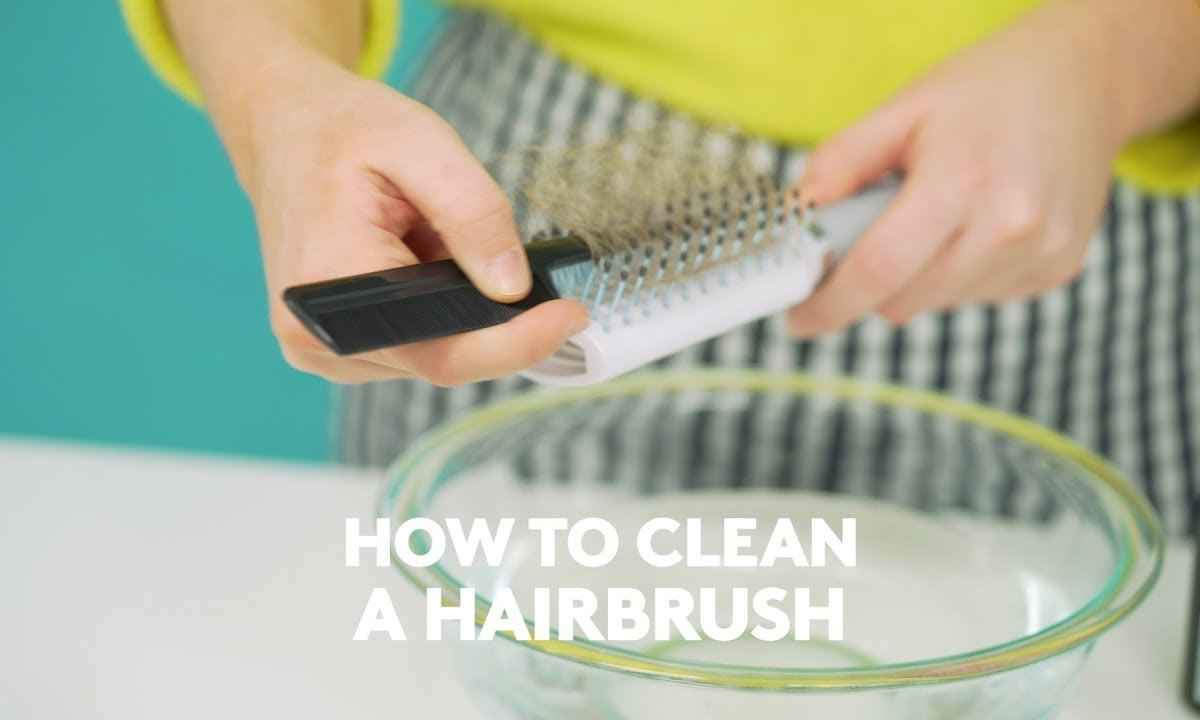
Most people brush their hair every single day but rarely think about cleaning the tool they use to do it. Your hairbrush quietly collects dead skin cells, scalp oils, product residue, lint, and bacteria with every single stroke.
Running a dirty brush through freshly washed hair defeats the purpose entirely. This guide walks you through exactly how to clean a hairbrush the right way, no matter what type you own.
Why Cleaning Your Hairbrush Actually Matters
A dirty hairbrush is not just an aesthetic issue. The gray or white fuzz you see building up on your bristles is a combination of dust, dead skin cells, hair product, and scalp oils that transferred from your hair to the brush. Every time you brush your hair with a dirty tool, all of that gets deposited right back onto your scalp.
This buildup can lead to hair odor, bacterial growth on the scalp, and a general dullness to your strands. Beyond scalp health, a clogged brush simply does not perform well. The bristles lose their grip, distribution suffers, and over time the brush itself wears out faster.
What You Need Before You Start
You do not need specialty products. Most of these items are already in your bathroom or kitchen:
- A rat tail comb or pointed object for removing hair
- An old toothbrush for scrubbing
- Gentle shampoo, clarifying shampoo, or dish soap
- A bowl of warm water
- White vinegar (optional, for deep cleaning and disinfecting)
- Baking soda (optional, for stubborn buildup)
- A clean dry towel
How to Clean a Hairbrush: Step by Step
Step 1: Remove All the Hair First
This is the most important first move. Place a comb at the base of the bristles and work it upward to lift and pull trapped hair out. Repeat from multiple directions until the bristles are clear. For dense tangles, scissors can help. Snip through the hair carefully without cutting the bristles, then pull the sections out with your fingers or tweezers.
Step 2: Prepare Your Cleaning Solution
Mix warm water with a few drops of gentle shampoo or dish soap in a bowl large enough to fit the brush head. If your brush has a wooden handle or natural boar bristles, avoid hot water as it can cause damage.
For a deeper clean, add one part white vinegar to two parts warm water, then sprinkle in a teaspoon of baking soda. This combination breaks down scalp oils, removes product residue, disinfects the bristles, and eliminates odors.
Step 3: Soak or Dip the Brush
This step depends entirely on your brush type. Plastic and synthetic brushes can be fully submerged. For brushes with wooden handles or natural boar bristles, only the bristle portion should touch the water, and only briefly, to prevent warping or cracking.
Let synthetic brushes soak for 20 to 30 minutes so the solution can loosen stuck-on dirt, oils, and product buildup sitting at the base of the bristles.
Step 4: Scrub with a Toothbrush
After soaking, take an old toothbrush and scrub between and around each bristle. Pay special attention to the base of the brush pad, where oil and residue tend to build up the most. Work in small circular motions and get into every gap you can reach.
Step 5: Rinse Thoroughly
Rinse under lukewarm running water until no soap or solution remains in the bristles. Any leftover product will transfer right back to your hair the next time you use the brush.
Step 6: Dry the Brush Properly
Wipe the brush with a clean cloth, then place it bristle-side down on a dry towel and allow it to air dry fully before using it again. Drying bristle-side down allows any trapped moisture to drip out rather than pool inside the brush pad, which can lead to mildew and bacteria growth over time.
Must Read: How to Clean a Humidifier: Step-by-Step Guide
How to Clean Different Types of Hairbrushes
Different brushes need slightly different care. Here is a quick reference:
| Brush Type | Can You Soak It? | Best Cleaning Agent | Drying Method |
| Plastic or nylon | Yes, fully | Dish soap or shampoo | Bristles down on towel |
| Boar bristle | No, bristles only | Sulfate-free shampoo | Bristles down, air dry |
| Wooden handle | No, bristles only | Mild shampoo | Bristles down, air dry |
| Metal or ceramic | Yes, fully | Dish soap or shampoo | Towel dry then air dry |
| Paddle brush | Bristles only | Gentle shampoo | Bristles down on towel |
Do not soak boar bristle brushes. Use only a sulfate-free shampoo to protect the delicate natural fibers from drying out or breaking.
How Often Should You Clean Your Hairbrush?
Frequency depends on your hair type, product use, and how often you brush. Here is a simple guide:
Nylon bristle brushes can typically go five to seven uses between cleanings, while metal or wire brushes need attention at least once a week. Boar bristle brushes absorb scalp oil quickly and benefit from cleaning every one to two weeks.
For people with longer or thicker hair, cleaning every two weeks is a good target. If you use heavy styling products like hairspray, dry shampoo, or gels, cleaning every few days prevents rapid product buildup in the bristles.
As a simple daily habit, removing shed hair from your brush after each use makes deep cleaning sessions much quicker and easier.
Tips to Keep Your Hairbrush Cleaner for Longer
A few small habits go a long way between cleanings:
- Remove loose hair from your brush after every single use
- Store your brush in a closed space or drawer. Dust particles, clothing fibers, and airborne lint stick to bristles coated with styling product residue
- Never share your brush with others to avoid transferring bacteria or scalp conditions
- Let your brush dry completely before putting it away after each wash
When to Replace Your Hairbrush
Even with perfect care, brushes wear out. If you notice bent or missing bristles, a worn-out cushion pad, or the brush simply no longer glides smoothly through your hair, it is time to replace it. A damaged brush can cause unnecessary breakage and does more harm than good.
Frequently Asked Questions
How do you remove lint from a hairbrush?
Use a rat tail comb or the tip of a pen to rake through the bristles. Soaking in warm soapy water afterward dissolves any remaining fuzz stuck at the base.
Can you clean a hairbrush with just water?
Warm water alone can rinse away light buildup, but adding a small amount of shampoo or dish soap is far more effective at breaking down scalp oils and product residue.
Is it safe to use baking soda to clean a hairbrush?
Yes. Mix baking soda with water and let it sit on the bristles for 30 to 60 minutes to lift stubborn residue. It works well for a deep clean on plastic or synthetic brushes.
How do you dry a hairbrush after cleaning it?
Always place it bristle-side down on a clean dry towel and let it air dry completely. This prevents water from pooling inside the brush pad and stops bacteria from growing.
Can you put a hairbrush in the dishwasher?
Only fully plastic brushes without rubber pads or wooden elements may survive a dishwasher cycle. For most brushes, hand washing is safer and extends the life of the bristles and brush pad.
Conclusion
Cleaning your hairbrush is one of the simplest habits you can add to your hair care routine. Remove trapped hair daily, do a proper wash every one to two weeks, and always dry your brush bristle-side down.
Whether you use a paddle brush, a boar bristle brush, or a basic plastic brush, a clean tool means cleaner hair, a healthier scalp, and better results every time you style.