
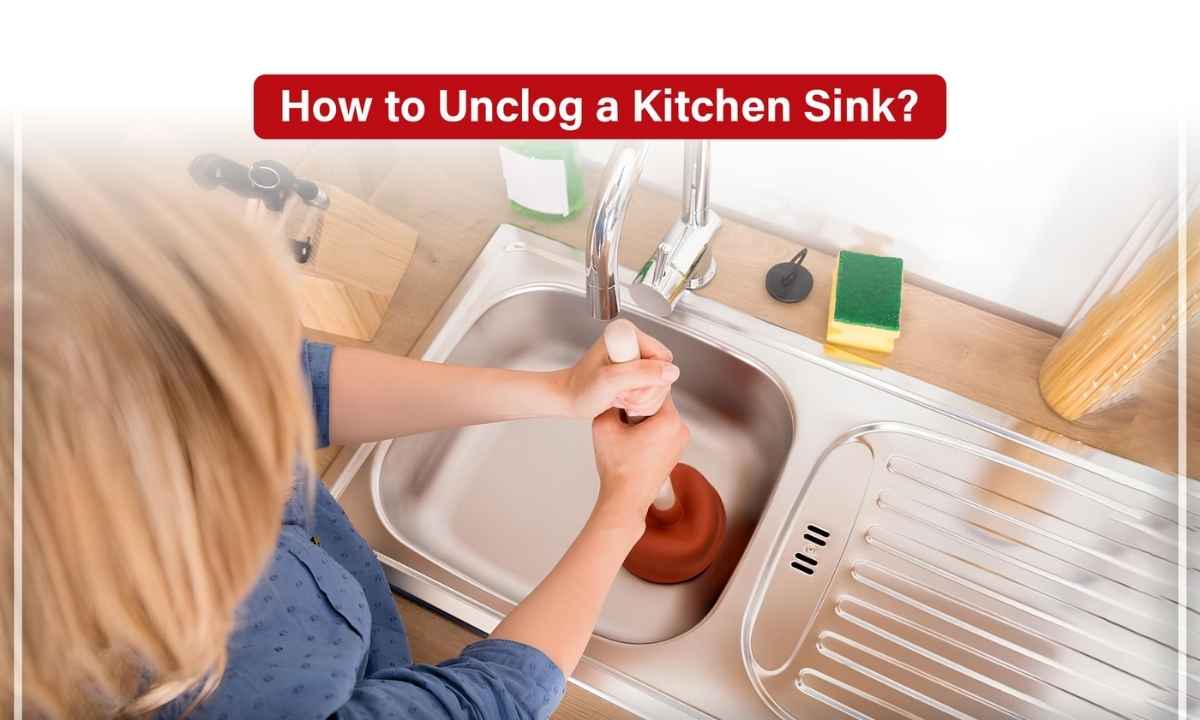
A clogged kitchen sink is one of the most common household problems every homeowner faces. Standing water, slow drainage, and bad odors are all signs that your sink drain needs attention. The good news is that most kitchen sink clogs are easy to fix on your own without spending money on a plumber.
This guide walks you through the most effective methods to unclog a kitchen sink, from simple household tricks to slightly more hands-on fixes. Whether the clog is mild or stubborn, you will find a solution here.
What Causes a Kitchen Sink to Clog
Before fixing the problem, it helps to understand what causes it. Kitchen sink drains deal with a lot of daily buildup. Common culprits include:
- Grease and cooking oil that hardens inside pipes as it cools
- Food particles like coffee grounds, rice, pasta, and vegetable peels
- Soap scum that mixes with minerals and forms a thick residue
- Garbage disposal misuse, such as running fibrous or starchy foods through it
Once you know the cause, picking the right unclogging method becomes much easier.
7 Methods to Unclog a Kitchen Sink
Method 1: Check the Garbage Disposal First
If your sink has a garbage disposal, start here before trying anything else. Turn on hot water and run the disposal for 30 to 45 seconds. If it does not respond, it may have overheated. Look for the reset button on the side or bottom of the unit under the sink and press it. This simple step often solves what seems like a serious drain blockage.
Method 2: Pour Boiling Water Down the Drain
This is the easiest method and works well for grease and soap buildup.
- Remove as much standing water from the sink as possible
- Boil a full kettle or pot of water
- Slowly pour it directly down the drain in two to three stages
- Wait a few seconds between each pour
Note: If your pipes are made of PVC plastic, skip boiling water and use very hot tap water instead. Boiling water can damage or soften PVC joints.
Method 3: Baking Soda and Vinegar
This natural method is safe, eco-friendly, and effective for mild to moderate clogs. The fizzing reaction helps break down grease and organic buildup.
- Pour one cup of baking soda down the drain
- Follow with one cup of white vinegar
- Cover the drain opening immediately to contain the reaction
- Wait 15 minutes
- Flush with hot water to clear loosened debris
You can repeat this process once if the clog has not fully cleared. This method also deodorizes the drain.
Method 4: Salt and Hot Water
Salt acts as a gentle abrasive that scours the inside of pipes. This method works well when paired with hot water.
- Remove standing water from the sink
- Pour half a cup of table salt directly down the drain
- Follow with a full kettle of hot water
- Let it sit for a few minutes, then flush with more hot water
This is one of the simplest methods and works best for grease-heavy blockages.
Method 5: Use a Plunger
A plunger creates pressure that dislodges stubborn clogs. For a kitchen sink, use a cup plunger, not a flange plunger.
- If you have a double sink, seal the second drain with a wet cloth or stopper
- Fill the clogged side with enough water to cover the rubber cup of the plunger
- Place the plunger tightly over the drain and plunge vigorously 8 to 10 times
- When you feel the blockage release, remove the plunger and flush with warm water
A proper seal is key. Without it, the plunger will not build enough suction to move the clog.
Method 6: Clean the P-Trap
The P-trap is the curved pipe section under your sink. It is shaped like the letter U and is a common spot where food particles and grease collect.
- Place a bucket under the P-trap to catch water and debris
- Loosen the slip nuts on both ends of the P-trap by hand or with pliers
- Remove the P-trap and empty out any debris
- Rinse it with warm water
- Reattach it securely and run water to test the drain
This method is highly effective for clogs that do not respond to liquid treatments.
Method 7: Use a Drain Snake or Wire Hanger
For deeper clogs inside the wall pipe, a drain snake is the best tool. If you do not have one, a straightened wire coat hanger with a small hook at the end can work for shallow clogs.
- Remove the P-trap to access the wall pipe (also called the stub-out pipe)
- Insert the snake into the opening until you feel resistance
- Rotate and push through the clog to break it apart or hook it
- Pull out any debris and run hot water to flush the pipe
For really stubborn blockages, a plumber’s snake from a hardware store is a worthwhile investment.
Must Read: How to Paint Kitchen Cabinets: A Complete Step-by-Step Guide
Quick Comparison: Which Method Works Best
| Method | Best For | Tools Needed | Difficulty |
| Boiling water | Grease and soap | Kettle | Very Easy |
| Baking soda and vinegar | Mild organic clogs | Pantry items | Very Easy |
| Salt and hot water | Grease buildup | Salt, kettle | Very Easy |
| Plunger | Dislodging stuck clogs | Plunger | Easy |
| P-trap cleaning | Trapped food debris | Bucket, pliers | Moderate |
| Drain snake | Deep pipe clogs | Snake tool | Moderate |
When to Call a Plumber
Most kitchen sink clogs respond well to the methods above. However, call a professional plumber if:
- The clog keeps coming back after repeated attempts
- Multiple drains in your home are backing up at the same time
- You smell strong sewer odors rising from the drain
- Water backs up in the sink when you run another appliance
- None of the DIY methods make any difference
On average, a plumber charges between $125 and $300 to clear a kitchen sink drain in the US, depending on the severity of the blockage.
How to Prevent Kitchen Sink Clogs
Prevention is far easier than dealing with a blocked drain. Follow these habits to keep your kitchen sink flowing smoothly:
- Never pour grease, cooking oil, or bacon fat down the drain. Let it cool and throw it in the trash.
- Install a sink strainer to catch food scraps before they enter the drain. Empty it regularly.
- Run hot water down the drain for 30 seconds after washing greasy dishes.
- Do a baking soda and vinegar flush once or twice a month to keep buildup from forming.
- Avoid putting coffee grounds, eggshells, rice, or pasta in the garbage disposal.
- Run plenty of cold water while and after using the garbage disposal.
Frequently Asked Questions
What is the fastest way to unclog a kitchen sink?
Pouring boiling water down the drain is the fastest method. For grease clogs, it often works in just a few minutes.
Can I use baking soda and vinegar to unclog a sink?
Yes. Pour one cup of baking soda followed by one cup of vinegar, wait 15 minutes, then flush with hot water.
Why does my kitchen sink keep clogging?
Grease buildup, food particles, and soap scum are the most common causes. Avoid pouring oils and fats down the drain.
Is it safe to use boiling water on kitchen sink pipes?
Only if your pipes are metal. For PVC pipes, use very hot tap water instead to avoid damaging the pipe joints.
How do I unclog a kitchen sink with standing water?
First remove as much standing water as possible using a cup or bowl, then try plunging or the baking soda and vinegar method.
Conclusion
A clogged kitchen sink does not have to mean an expensive plumber visit. Starting with the simplest methods like boiling water or baking soda and vinegar can often clear the blockage within minutes. If those do not work, a plunger or a quick P-trap cleaning usually does the job.
The key is to try methods in order from easiest to most involved. With a little patience, your sink will be draining freely again. And once it is fixed, sticking to good habits will help you avoid the same problem in the future.