
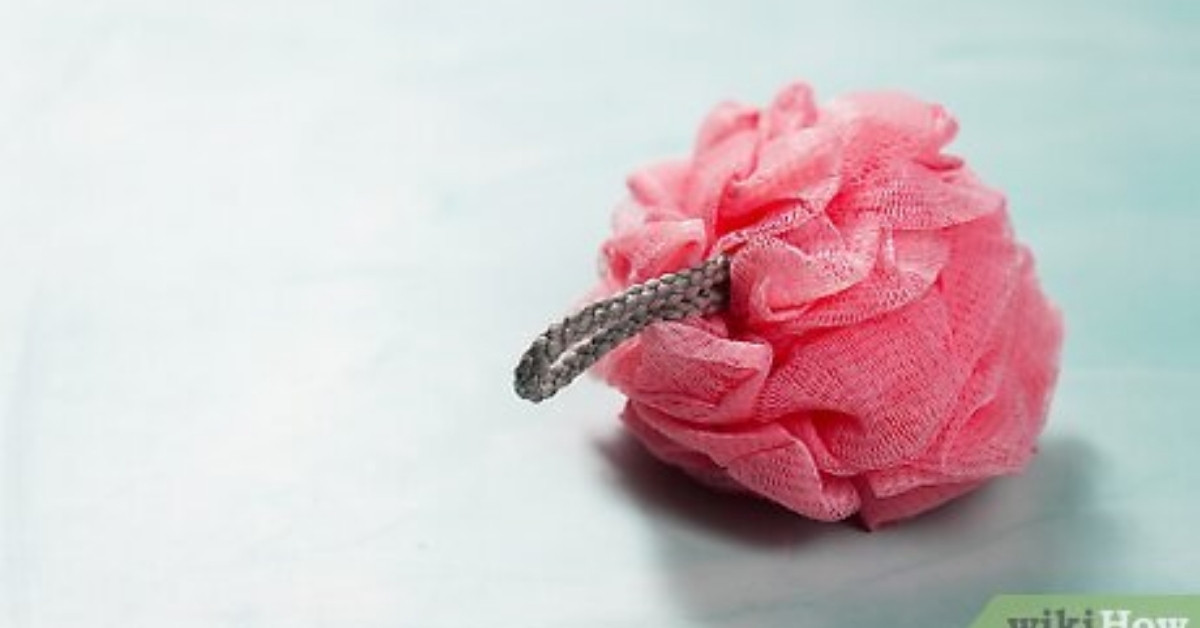
How to clean a loofah is essential knowledge for anyone who uses natural bathing or kitchen cleaning tools, as improper care can turn these eco-friendly items into breeding grounds for bacteria, mold, and odors. This article explores the importance of switching to natural sponges and explains what they are, including loofahs, coconut scrubbers, konjac facial sponges, Swedish dish cloths, and cellulose sponges. You’ll learn how each type functions, why they are more sustainable, and how to maintain them properly. The guide also provides detailed cleaning routines, replacement timelines, and composting tips. By the end, you’ll have a complete, practical understanding of how to keep your natural sponges clean, safe, and long-lasting.
What Switch To a Loofah Or Natural Sponge?
Switching from synthetic sponges to natural alternatives is not just a trend—it’s a practical decision rooted in health, sustainability, and effectiveness. Natural sponges are biodegradable, eco-friendly, and often more hygienic when maintained correctly. Unlike plastic-based sponges, which can shed microplastics and harbor bacteria in their porous structure, natural sponges decompose safely and are easier to clean thoroughly.
Natural sponges are derived from plant-based materials or naturally occurring organisms. They offer a wide range of uses—from personal hygiene to kitchen cleaning—making them versatile and environmentally responsible choices.
Key reasons people switch to natural sponges include:
- Reduced environmental impact
- Better biodegradability
- Fewer synthetic chemicals
- Improved cleaning performance
- Lower long-term waste production
By understanding how to care for them properly, you can maximize their lifespan and keep your cleaning routine both safe and sustainable.
What are Natural Sponges?
Natural sponges refer to cleaning tools made from plant fibers or natural marine sources. These materials are designed to absorb water, create lather, and clean surfaces effectively without synthetic additives. Their structure allows them to trap dirt and release it when cleaned properly, making them efficient and reusable.
Unlike synthetic sponges, which are made from petroleum-based plastics, natural sponges are biodegradable and break down over time without harming the environment. However, they still require proper maintenance to remain hygienic.
Below are some of the most common types of natural sponges and their uses.
Loofah Sponge
A loofah is made from the dried fibrous interior of the loofah gourd, a plant in the cucumber family. It becomes a firm, textured sponge once processed and is commonly used for exfoliating skin or cleaning dishes.
Loofahs are popular because they:
- Provide natural exfoliation
- Are biodegradable
- Are cost-effective
- Have a firm, textured surface for scrubbing
However, because of their porous nature, they can trap moisture and bacteria if not cleaned regularly.
Coconut Kitchen Scrubber
Coconut scrubbers are made from coconut husks, making them tough and durable. These scrubbers are ideal for heavy-duty cleaning tasks such as scrubbing pots, pans, and kitchen surfaces.
Their benefits include:
- Strong scrubbing power
- Resistance to wear and tear
- Natural antibacterial properties
- Eco-friendly composition
They are less soft than loofahs but more durable for kitchen cleaning tasks.
Konjac Facial Sponge
Konjac sponges are made from the root of the konjac plant. They are soft, gentle, and perfect for facial cleansing. These sponges are especially suitable for sensitive or acne-prone skin.
Key features include:
- Ultra-soft texture
- Naturally moisturizing properties
- Gentle exfoliation
- pH-balanced for skin
They are widely used in skincare routines due to their gentle cleansing ability.
Swedish Dish Cloth
Swedish dish cloths are made from a combination of cellulose and cotton fibers. They are highly absorbent and reusable, making them an excellent alternative to paper towels.
Benefits include:
- High absorbency
- Quick drying
- Reusable and washable
- Long lifespan
They are commonly used in kitchens for wiping surfaces and cleaning spills.
Cellulose Kitchen Sponges
Cellulose sponges are made from plant fibers such as wood pulp. They are designed to be highly absorbent and are often used for dishwashing and general cleaning.
Advantages include:
- Excellent absorption
- Soft yet effective cleaning
- Biodegradable
- Affordable
They strike a balance between softness and cleaning efficiency.
How To Clean Your Loofah & Natural Sponges
Proper cleaning of natural sponges is essential to prevent bacteria buildup and extend their lifespan. Because these materials are porous, they can trap moisture and debris easily. Regular maintenance ensures they remain hygienic and safe for repeated use.
Each type of sponge requires a slightly different care routine, but the core principles remain the same: rinse, dry, disinfect, and replace regularly.
How to Clean a Loofah
Cleaning a loofah correctly is crucial because it is one of the most commonly used natural sponges for bathing and exfoliation. Due to its fibrous texture, it can easily trap dead skin cells, soap residue, and moisture.
1. Rinse after each use
After every use, thoroughly rinse your loofah under warm water to remove soap, dirt, and debris. This prevents buildup and reduces bacterial growth.
2. Keep it dry between uses
Moist environments encourage bacterial growth. Always hang your loofah in a well-ventilated area to dry completely. Avoid leaving it in a damp shower environment.
3. Deep clean weekly
Once a week, disinfect your loofah by soaking it in a mixture of hot water and a mild disinfectant. You can also use diluted vinegar or a gentle cleaning solution to remove bacteria.
4. Replace every 3-4 weeks
Even with proper care, loofahs should be replaced regularly. Over time, they degrade and become less effective and more prone to contamination.
5. Compost when done
Since loofahs are biodegradable, you can compost them after use. This helps reduce environmental waste and supports sustainability.
How to Clean Your Coconut Kitchen Scrubber
Coconut scrubbers are durable, but they still require proper maintenance to stay clean and effective.
1. Rinse in soapy water every use
After each cleaning session, rinse the scrubber with warm soapy water to remove grease and food particles.
2. Disinfect and sanitize
Occasionally, soak the scrubber in boiling water or a vinegar solution to kill bacteria and eliminate odors.
3. Replace every 2-3 weeks
Due to heavy kitchen use, coconut scrubbers should be replaced frequently to maintain hygiene.
4. Compost it
Once worn out, dispose of it in a compost bin. It will naturally decompose without harming the environment.
How to Clean A Sponge Cloth
Sponge cloths are highly reusable and require proper washing techniques to maintain their performance.
1. Clean and dry after use
Rinse the cloth thoroughly after use and allow it to dry in a well-ventilated area.
2. Machine wash or dishwasher
These cloths can be cleaned in a washing machine or even the dishwasher for deep cleaning.
3. Air dry
After washing, allow them to air dry completely before reuse.
4. Long-lasting care
With proper maintenance, sponge cloths can last for several months, making them a cost-effective and sustainable option.
How to Clean a Konjac Facial Sponge
Konjac sponges require gentle care due to their delicate structure.
1. Rinse and squeeze after use
Always rinse thoroughly and gently squeeze out excess water. Avoid wringing, as this can damage the sponge.
2. Hang to dry
Use a string or hook to hang the sponge in a dry area. Proper airflow is essential to prevent mold growth.
3. Weekly cleanse
Clean the sponge once a week using warm water and a mild cleanser to maintain hygiene.
4. Replace every 1-2 months
Due to their soft structure, konjac sponges wear out faster and should be replaced regularly.
How to Clean A Biodegradable Kitchen Sponge
Biodegradable sponges, often made from plant-based materials, are designed for durability and sustainability.
1. Dishwasher-friendly
Many biodegradable sponges can be placed in the dishwasher for thorough cleaning and sanitization.
2. Air dry
After washing, allow the sponge to dry completely before reuse to prevent bacteria buildup.
3. Long-lasting use
With proper care, these sponges can last longer than traditional options while remaining eco-friendly.
Final Thoughts
Understanding how to clean a loofah and other natural sponges is essential for maintaining hygiene, extending product life, and protecting your health. Natural sponges offer an excellent alternative to synthetic cleaning tools, combining sustainability with performance. However, their effectiveness depends heavily on proper care, including regular rinsing, deep cleaning, and timely replacement.
By adopting simple maintenance habits and choosing the right cleaning routine for each type of sponge, you can ensure a safer, more sustainable, and more efficient cleaning experience. These small steps not only improve hygiene but also contribute to reducing environmental waste, making your everyday routine more responsible and impactful.