
 Copper cookware has become a premium choice in modern kitchens due to its exceptional heat conductivity, durability, and aesthetic appeal. However, owning copper pans requires proper knowledge of both cooking techniques and maintenance to ensure longevity and performance. This article provides a complete guide on how to clean copper pans, along with essential insights into cooking with copper cookware and when restoration is necessary. You will learn step-by-step cleaning methods, preventive care tips, and advanced restoration techniques. Additionally, we explore how copper interacts with food, how to avoid common mistakes, and how to maintain its natural shine over time. Whether you’re a home cook or a culinary enthusiast, this guide equips you with practical, easy-to-follow strategies to maximize the life and beauty of your copper cookware.
Introduction to Copper Cookware
Copper cookware is widely regarded as one of the most efficient and responsive cooking materials available. Known for its excellent thermal conductivity, copper distributes heat evenly and allows precise temperature control, making it ideal for delicate cooking tasks. Professional chefs and culinary enthusiasts often choose copper pans for their superior performance compared to stainless steel or aluminum.
However, copper cookware requires proper care. Unlike non-stick or stainless steel pans, copper reacts with oxygen and moisture, leading to tarnish and discoloration over time. This is why understanding how to maintain and clean copper cookware is essential. Without proper care, its performance and appearance can degrade, affecting both cooking quality and aesthetic appeal.
In this guide, we explore everything you need to know—from cooking techniques to cleaning methods and restoration practices. By mastering these fundamentals, you can ensure your copper cookware remains functional, safe, and visually appealing for years to come.
How to Cook With Copper Cookware
Cooking with copper cookware offers unmatched precision and control, but it requires understanding how copper behaves under heat. Copper heats up quickly and cools down just as fast, which allows cooks to make instant adjustments. This feature is particularly useful when preparing delicate dishes like sauces, caramel, and custards.
One of the key advantages of copper cookware is its ability to distribute heat evenly across the surface. This reduces the risk of hot spots, which can cause food to burn or cook unevenly. However, many modern copper pans are lined with stainless steel or tin to prevent direct contact between food and copper, as copper can react with certain acidic ingredients.
To cook effectively with copper cookware, consider the following tips:
- Use medium to low heat to prevent overheating.
- Avoid sudden temperature changes, as copper can warp under extreme stress.
- Use wooden or silicone utensils to protect the lining.
- Preheat your pan gradually to maintain even cooking.
Understanding these techniques ensures that your cookware performs optimally while maintaining its structural integrity.
Additionally, copper cookware is especially useful in preparing:
- Sauces that require precise temperature control
- Sugar-based recipes like caramel and syrups
- Delicate proteins such as fish or eggs
- Chocolate melting and tempering
The responsiveness of copper allows chefs to achieve consistent results, making it a preferred choice in high-end kitchens. However, proper usage is just as important as proper cleaning, as misuse can lead to faster wear and damage.
How to Clean Copper Cookware
Knowing how to clean copper pans is essential to maintaining both their functionality and appearance. Copper naturally tarnishes over time due to oxidation, which causes a dull or darkened surface. Cleaning removes this layer and restores the cookware’s shine.
Before cleaning, it is important to identify whether your copper cookware has a protective lining. If it does, avoid using abrasive materials that could damage the inner coating.
Here is a step-by-step guide to cleaning copper cookware effectively:
- Rinse the pan with warm water to remove loose food particles.
- Apply a mild dish soap using a soft sponge or cloth. Avoid steel wool or harsh scrubbers.
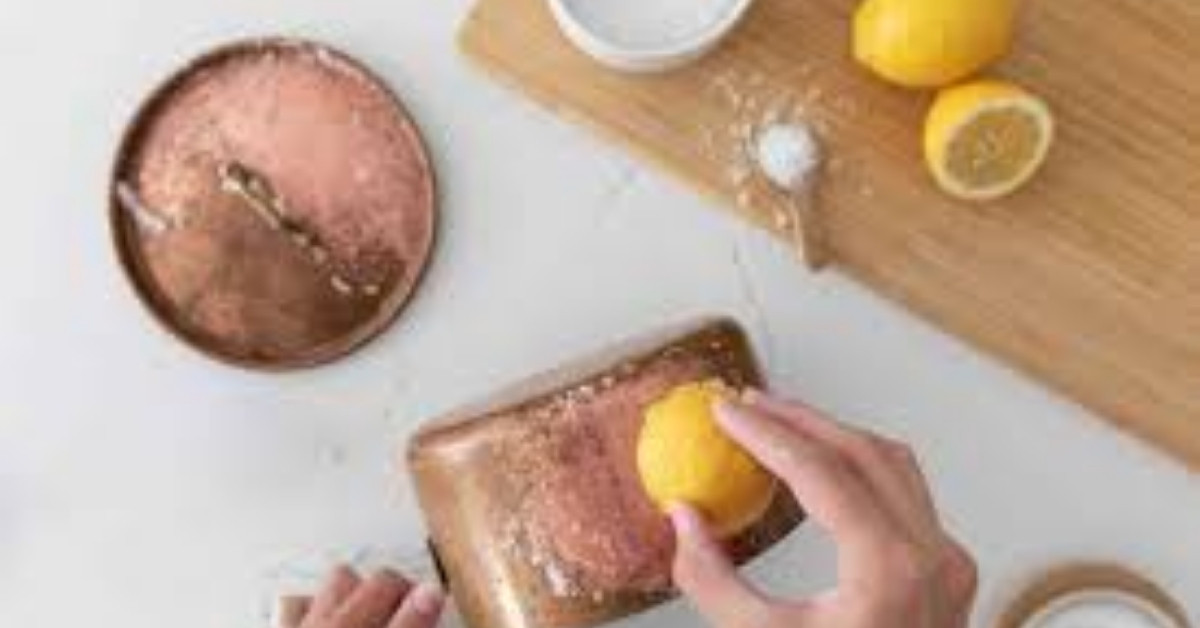
- Use a natural cleaning solution made from vinegar and salt or lemon juice and baking soda. These ingredients help dissolve tarnish without damaging the copper.
- Gently scrub the surface in circular motions to lift stains and oxidation.
- Rinse thoroughly and dry immediately to prevent water spots.
For deeper cleaning, consider using a paste made from:
- Baking soda
- Lemon juice
- A small amount of water
Apply the paste, let it sit for a few minutes, and then rinse off. This method is effective for restoring shine without causing damage.
To better understand cleaning approaches, here is a comparison table:
| Cleaning Method | Effectiveness | Safety Level | Best For |
| Dish Soap + Water | Low | High | Regular maintenance |
| Vinegar & Salt | Medium | High | Light tarnish |
| Baking Soda Paste | High | High | Moderate tarnish |
| Commercial Copper Cleaner | Very High | Moderate | Heavy tarnish |
Each method serves a different purpose depending on the level of tarnish. For regular cleaning, mild solutions are sufficient, while heavily tarnished pans may require stronger cleaning agents.
Additionally, always dry your copper cookware immediately after cleaning to prevent water spots and further oxidation. Moisture is one of the main causes of tarnish, so proper drying is crucial in maintaining the cookware’s shine.
Regular maintenance not only improves appearance but also extends the lifespan of your cookware. By adopting a consistent cleaning routine, you can preserve the beauty and functionality of your copper pans for years.
When to Have Your Copper Cookware Restored
Even with proper cleaning, copper cookware may eventually require professional restoration. Restoration becomes necessary when the surface is heavily tarnished, scratched, or damaged beyond regular cleaning methods.
There are several signs that indicate your cookware needs restoration:
- Deep discoloration that does not respond to cleaning
- Scratches or dents on the surface
- Loss of heat conductivity due to wear
- Damaged or worn-out lining inside the pan
Professional restoration typically involves polishing the copper exterior and repairing or replacing the inner lining. This process can bring old cookware back to near-original condition.
Restoration is especially important for high-quality copper cookware, as it preserves both functionality and value. Many chefs choose to restore rather than replace their cookware, as high-end copper pans are expensive and often crafted with superior materials.
Here are common restoration methods:
- Professional Polishing – Removes tarnish and restores shine using specialized equipment.
- Re-tinning or Re-lining – Replaces the inner lining to ensure safe cooking.
- Structural Repairs – Fixes dents, warping, or handle damage.
When deciding whether to restore or replace, consider the following:
- Cost of restoration vs. new cookware
- Sentimental or brand value
- Extent of damage
In many cases, restoration is more cost-effective and environmentally friendly than purchasing new cookware.
Proper maintenance can delay the need for restoration, but eventually, even well-maintained copper cookware will require professional care. Recognizing the right time for restoration ensures your cookware continues to perform at its best while maintaining its visual appeal.
Best Practices for Maintaining Copper Cookware
Maintaining copper cookware goes beyond cleaning and occasional restoration. Consistent care ensures that your pans remain efficient and visually appealing.
Here are some best practices:
- Store cookware in a dry place to prevent moisture buildup
- Avoid stacking copper pans without protective layers
- Use gentle cleaning methods regularly to prevent heavy tarnish
- Polish occasionally to maintain shine
- Handle with care to avoid dents and scratches
These simple habits significantly extend the life of your cookware and preserve its quality.
Common Mistakes to Avoid
Many people unknowingly damage their copper cookware by making simple mistakes. Avoiding these can greatly improve the longevity of your pans.
Common mistakes include:
- Using abrasive cleaning tools like steel wool
- Cooking on extremely high heat
- Leaving acidic food in copper pans for long periods
- Storing cookware in humid environments
- Neglecting regular cleaning
By avoiding these errors, you can maintain both the functionality and appearance of your cookware.
Conclusion
Copper cookware remains a top choice for chefs and home cooks due to its unmatched performance and elegance. However, understanding how to clean copper pans and maintain them properly is essential for maximizing their lifespan. From mastering cooking techniques to applying effective cleaning methods and knowing when restoration is needed, proper care ensures your cookware continues to perform efficiently.
With consistent maintenance and careful handling, copper cookware can last for generations, making it a valuable investment for any kitchen. By following the guidance in this article, you can keep your copper pans in excellent condition while enjoying the benefits of precise and responsive cooking.