
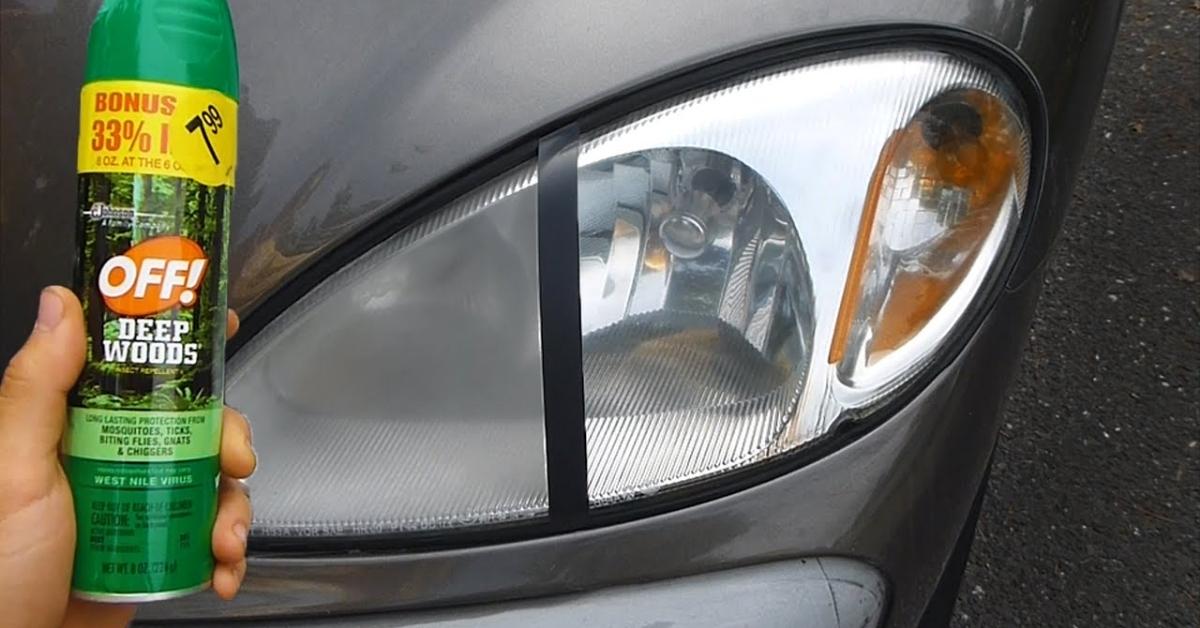
 Cleaning headlights is one of the simplest ways to instantly improve the look of a vehicle and restore nighttime visibility. Over time, headlights become dull, yellow, and foggy due to oxidation and exposure to the elements. Below is a clear guide that walks through why this happens, why some common hacks fail, and how to properly restore headlights to a like-new condition.
The Toothpaste Trick -fail
You may have heard that toothpaste can clean headlights, and while it can slightly improve clarity, it is not a reliable or long-term solution. Toothpaste contains mild abrasives that can remove a thin layer of surface grime, but it does not properly remove oxidation or protect the headlight from future damage. As a result, any improvement is usually temporary. Within a short time, the headlights often return to their cloudy appearance. In some cases, improper scrubbing with toothpaste can even create fine scratches, making the headlight look worse over time. For a quick, temporary fix, it might help slightly, but for proper restoration, a more thorough method is required.
Why Headlights Get Cloudy
Headlights are typically made of polycarbonate plastic, which is durable but prone to oxidation. When exposed to sunlight, UV rays gradually break down the protective outer layer of the headlight lens. This leads to a cloudy or yellowed appearance. Other factors such as dust, road debris, rain, and pollution also contribute to surface wear. Over time, this buildup creates a hazy layer that reduces brightness and affects driving safety, especially at night. Understanding this helps explain why simple cleaning is not enough—you need to remove oxidation and restore the protective layer.
Headlights From Cloudy to Clear
Restoring headlights involves removing the oxidized outer layer and then sealing the surface to prevent future damage. This process can dramatically improve visibility and appearance. The goal is to polish the lens until it becomes clear again and then apply a protective coating that shields it from UV rays and environmental damage. With the right materials and a little effort, you can achieve professional-looking results without replacing the headlights.
Materials
To properly clean and restore headlights, gather the following materials:
- Car wash soap and water
- Microfiber cloths
- Masking tape
- Sandpaper (various grits such as 800, 1000, 2000)
- Headlight restoration polish or rubbing compound
- Plastic polish or rubbing compound
- UV sealant or clear coat spray
- Spray bottle with water
- Soft towel for drying
Instructions
Start by washing the headlight thoroughly with soap and water to remove dirt and debris. Dry it completely before moving on. Next, use masking tape to protect the paint around the headlight, as you will be sanding the surface.
Begin sanding with the lowest grit sandpaper (around 800 grit). Spray water onto the headlight and sand in a horizontal motion with light pressure. Keep the surface wet at all times to avoid scratches. After a few minutes, move to a higher grit sandpaper (such as 1000 grit), then continue progressing to even finer grits like 2000. Each step smooths out the scratches left by the previous one.
Once sanding is complete, the headlight will look cloudy or dull—this is normal. Apply a small amount of polishing compound to a clean microfiber cloth and buff the surface in circular motions. This step removes the fine scratches and restores clarity. Continue polishing until the headlight becomes clear and shiny.
After polishing, wipe the headlight clean and dry it. The final and most important step is applying a UV sealant or clear coat. This protects the lens from future oxidation and keeps it clear for a longer period. Follow the instructions on the sealant carefully, and allow it to fully cure before exposing the vehicle to moisture.
Regular maintenance, such as occasional cleaning and reapplying a protective coating, can help keep headlights clear for years. Proper restoration not only improves the look of your vehicle but also enhances safety by ensuring maximum visibility on the road.