
Your favorite silver bracelet is sitting there looking dull and dark. Grandma’s silverware hasn’t sparkled in years. Sound familiar? Tarnish happens to everyone’s silver eventually but here’s the good news: you don’t need expensive cleaners or a professional jeweler.
Most solutions are already sitting in your kitchen. This guide walks you through the best, safest ways to clean silver at home and keep it shining.
Why Silver Tarnishes Over Time
Silver doesn’t rust like iron but it does react. When silver meets hydrogen sulfide in the air, it forms silver sulfide, that familiar dark coating we call tarnish. Think of it as silver’s version of aging.
Several everyday factors speed this process up significantly. Humidity is the biggest culprit. Bathrooms, coastal climates, and poorly ventilated storage spaces are basically tarnish factories. Beyond that, skin oils, perfumes, lotions, and even air pollution all accelerate the reaction. Urban US cities tend to have higher tarnish rates simply because of air quality.
Signs Your Silver Needs Cleaning
Not sure if your silver needs attention? Here’s a simple visual guide:
| Appearance | Tarnish Level | Action Needed |
| Slight yellow tint | Early stage | Gentle wipe or soap wash |
| Brown coating | Moderate | Baking soda or vinegar method |
| Black or dark gray | Heavy | Foil method or commercial cleaner |
| Flaking or pitting | Damage, not tarnish | Consult a professional |
If your piece has sentimental or monetary value, always test any cleaning method on a hidden spot first. Better safe than sorry.
Best Home Remedies to Clean Silver Naturally
You’d be surprised what works. Here are the top natural methods for cleaning silver at home: Dish Soap and Warm Water works best for lightly tarnished pieces. Mix a few drops of mild dish soap in lukewarm water, soak your silver for 5 minutes, then gently scrub with a soft-bristle toothbrush. Rinse thoroughly and pat dry with a microfiber cloth.
White Vinegar and Baking Soda is a stronger option. Combine half a cup of white vinegar with 2 tablespoons of baking soda. Soak silver for 2 to 3 hours then rinse and dry completely. Skip this on silver-plated items though since the acid can strip the coating.
Toothpaste actually works surprisingly well. Use only plain, non-gel toothpaste. Rub a small amount onto the silver with your finger or a soft cloth, rinse off, and buff dry. It’s perfect for small jewelry pieces.
How to Clean Silver with Baking Soda and Foil
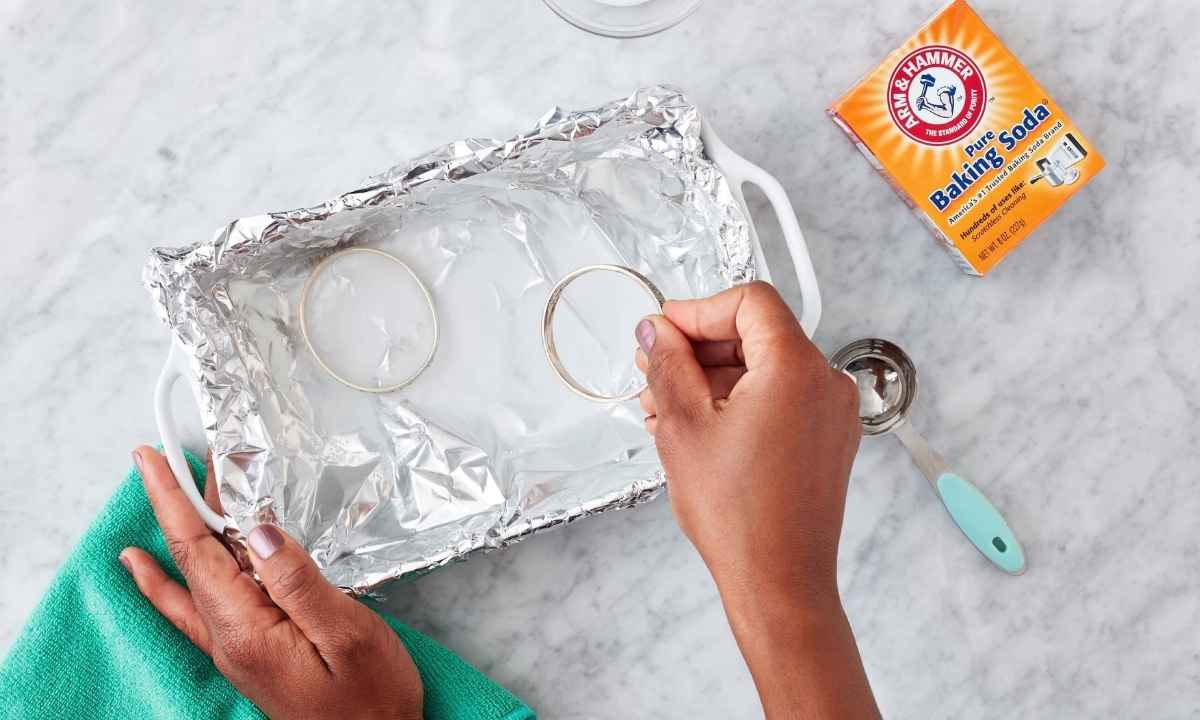
This is arguably the most satisfying method out there. It works through an electrochemical reaction where the aluminum foil literally pulls the sulfur molecules away from your silver. You watch the tarnish disappear in real time.
What you need:
- Aluminum foil
- Baking soda
- Boiling water
- A heatproof bowl
- Soft cloth
Step-by-step:
- Line your bowl with aluminum foil, shiny side up
- Place your silver pieces directly on the foil
- Sprinkle 1 to 2 tablespoons of baking soda over the silver
- Pour boiling water over everything until pieces are submerged
- Let sit for 5 to 10 minutes
- Remove with tongs, rinse well, and dry thoroughly
For heavily tarnished silver, repeat the process two or three times. If your tap water is hard, use distilled water for better results.
How to Clean Silver Jewelry Without Damage
Silver jewelry needs a gentler touch than flatware or decorative pieces. The first thing to check is whether your piece is sterling silver (marked 925) or silver-plated. Sterling can handle most home methods. Silver-plated jewelry needs much more careful treatment.
For rings, necklaces, and bracelets without gemstones, the dish soap method works beautifully. Use a soft-bristle toothbrush to get into intricate designs and rinse completely before drying.
Jewelry with stones like pearls, opals, or turquoise should never be soaked. These stones are porous and water damages them quickly. Instead, use a barely damp cloth and clean around the stone carefully.
How to Clean Heavily Tarnished Silver Quickly
When silver goes fully black, standard gentle methods won’t cut it. Start with the baking soda foil method and repeat as needed. For extreme cases, a commercial silver cleaner like Wright’s Silver Cream or Goddard’s Silver Polish gets results fast.
“Commercial cleaners work quickly but use them sparingly. Overuse gradually wears down the silver surface over time.” — jewelry care specialists commonly advise this.
Always follow product instructions and rinse thoroughly afterward.
Safe Ways to Clean Silver-Plated Items
Silver-plated pieces have just a thin silver layer over a base metal. Aggressive cleaning strips that layer off permanently. Stick to these rules:
- Use only mild dish soap and lukewarm water
- Use a soft lint-free cloth exclusively
- Never soak for longer than 2 minutes
- Avoid baking soda pastes, vinegar, lemon juice, and chemical dips
If you notice the base metal showing through, it’s time for professional replating rather than more DIY cleaning.
Visit More Post: How to Clean a Dishwasher: Step-by-Step Cleaning Guide
What Not to Use When Cleaning Silver
Some common household products will seriously damage silver. Avoid these completely:
| Product | Why It’s Harmful |
| Bleach | Causes permanent pitting and discoloration |
| Ammonia-based cleaners | Rapidly damages silver surface |
| Steel wool or abrasive pads | Deep scratches that cannot be undone |
| Paper towels | Microscopically rough enough to scratch polish |
| Rubber bands | Contain sulfur and accelerate tarnishing |
| Dishwasher | Heat and detergent permanently damage silver |
One often-overlooked issue is chlorine in tap water. Many US city water supplies contain enough chlorine to speed up tarnishing. Use filtered or distilled water whenever possible.
Tips to Keep Silver Shiny and Tarnish-Free
Prevention beats cleaning every single time. A few smart habits make a real difference:
- Store silver in anti-tarnish bags or with anti-tarnish strips inside
- Keep pieces in low-humidity spaces away from bathrooms
- Store items separately to avoid scratching each other
- Never store silver with rubber bands wrapped around it
- Put jewelry on last, after perfume and lotion
- Wipe jewelry down with a soft cloth after every wear
- Remove silver jewelry before swimming, exercising, or washing dishes
A quick wipe after wearing takes ten seconds and genuinely extends the time between deep cleans.
FAQs About Cleaning Silver at Home
How often should I clean silver at home?
Worn jewelry benefits from a light clean every 1 to 3 months. Stored pieces need a deep clean twice a year.
Can toothpaste damage silver?
Non-gel plain toothpaste is safe. Whitening or gel formulas contain abrasives or chemicals that scratch silver surfaces.
Is it safe to put silver in an ultrasonic cleaner?
Solid sterling silver is generally fine. Silver-plated items and jewelry with soft gemstones should stay far away from ultrasonic cleaners.
Why does my silver keep tarnishing so fast after cleaning?
Storage conditions are usually the issue. High humidity and improper storage undo your cleaning work quickly.
Can you clean silver in the dishwasher?
Never. The heat, harsh detergents, and prolonged water exposure permanently warp and damage silver.
Conclusion
Cleaning silver at home doesn’t have to feel intimidating. Whether you’re dealing with a lightly dull bracelet or a pitch-black set of silverware, there’s a simple solution that works. Start gentle, work up if needed, and always dry thoroughly.
Add a few prevention habits into your routine and your silver will stay brilliant far longer. Your silver has been waiting long enough. Give it some attention today.