
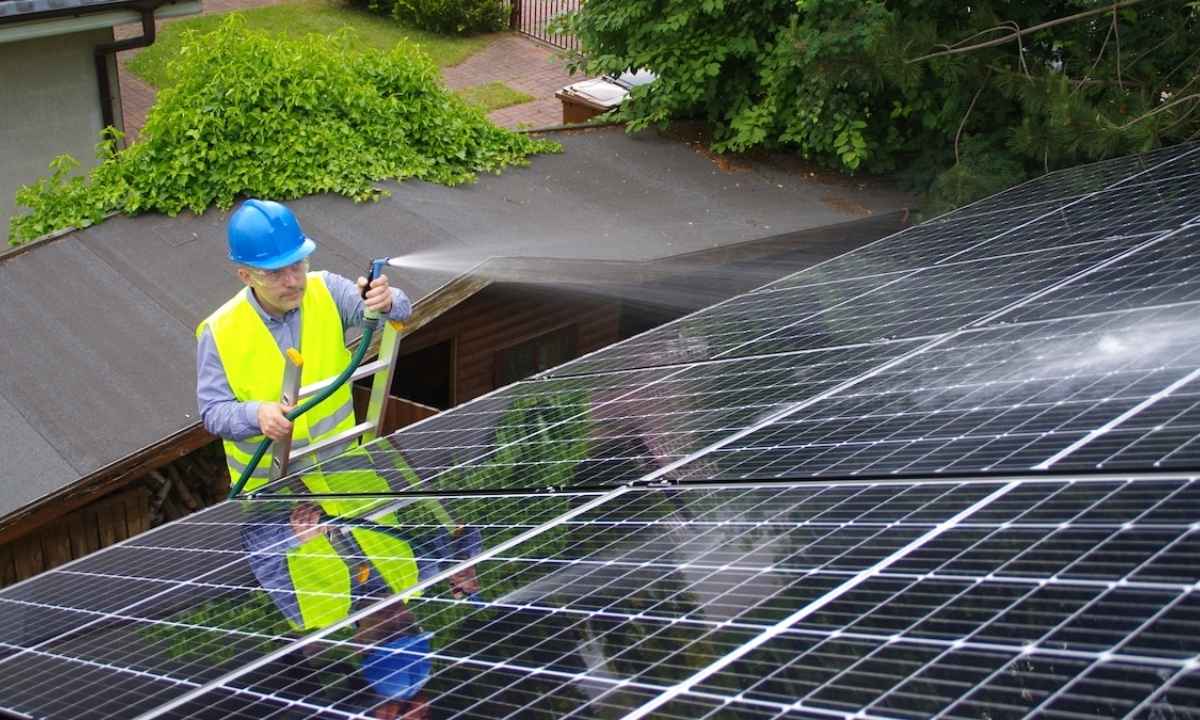
Solar panels are a smart investment, but dirty panels mean less energy production and higher electricity bills. Dust, bird droppings, pollen, and grime build up over time and block sunlight from reaching the photovoltaic cells. The good news is that cleaning solar panels is simple, safe, and something most homeowners can do themselves.
This guide covers everything you need to know: when to clean, what tools to use, step by step instructions, and when to call a professional.
Why Cleaning Solar Panels Matters
Solar panels work by converting sunlight into electricity. When dirt or debris covers the glass surface, less light reaches the cells and energy output drops. While light pollen or dust may not cause a major difference on its own, concentrated buildup over time can block sunlight and noticeably reduce power production.
When dirt, dust, debris, or animal droppings collect on the surface, blocked sunlight can significantly reduce energy production. Regular cleaning helps you get the maximum return from your solar investment.
Cleaning sessions also double as a quick inspection. While wiping down panels, you can spot cracks, loose wiring, or signs of animals nesting under the array before small problems become expensive repairs.
How Often Should You Clean Solar Panels?
Cleaning frequency depends on your location and local environment. Most systems benefit from cleaning twice a year, usually in spring and fall. In areas with high dust, pollen, bird activity, or nearby industry, quarterly cleanings may help maintain peak efficiency.
Here is a quick reference for cleaning frequency by location:
| Location Type | Recommended Cleaning Frequency |
| Rainy climates | Once a year or as needed |
| Suburban areas | Twice a year |
| Desert or dry climates | Every 3 to 4 months |
| Near highways or farms | Every 3 months |
| Heavily wooded areas | Every 3 to 4 months |
If your solar system has performance monitoring and you do not notice any decrease in efficiency, you may not need to clean the panels at all. Let your system data guide your cleaning schedule.
What You Need to Clean Solar Panels
Gather these tools before you start:
- Soft bristle brush or non-abrasive sponge with a long handle
- Garden hose with a low pressure nozzle
- Distilled or deionized water (preferred)
- Mild dish soap (optional)
- Clean microfiber cloth
- Rubber soled shoes if roof access is needed
Distilled water is recommended because it is less likely to leave mineral spots on the glass surface.
Avoid these items completely:
- High pressure washers
- Steel wool or abrasive scrubbers
- Harsh chemical cleaners
- Standard brooms or shovels
High pressure washers, abrasive brushes, and strong chemicals can damage the anti-reflective coating on the glass and void your warranty.
How to Clean Solar Panels Step by Step
Step 1: Choose the Right Time
The best time to clean your solar panels is in the early morning or late evening when the panels are cool. Early morning is ideal because dew or moisture may have already helped soften built up grime. Cleaning hot panels in direct sun causes water to evaporate quickly and leave streaks.
Also avoid cleaning right after a hot day. Never spray cold water on hot panels because of the risk of cracking the glass due to thermal shock.
Step 2: Shut Off the System
Always turn off your solar panel system before you begin. This is both a safety measure and a manufacturer requirement. Check your inverter manual for shutdown instructions.
Step 3: Rinse the Panels
Use a garden hose on a low setting to rinse off loose dust and debris from the panel surface. This removes the top layer of dirt before you scrub, which reduces the chance of scratching the glass.
Step 4: Scrub Gently
Use non-abrasive tools like dry cloths, non-woven fabric, or a soft brush to remove debris. Avoid blades, knives, steel wool, and high pressure washers. If using soap, apply a small amount and scrub in gentle circular motions.
For bird droppings or sticky residue, let warm water soak the area for a minute before scrubbing. Do not scrape forcefully.
Step 5: Rinse Again and Dry
Rinse off all soap thoroughly with clean water. Use soap sparingly to avoid streaks that can affect panel performance. If using a cloth to dry, wipe in smooth even strokes to avoid leaving lint or marks.
Step 6: Inspect While You Work
As you clean, look for any visible damage such as cracks, discoloration, or loose connections. Check that no debris has collected underneath the panels where critters might nest.
Must Read: How to Clean Hardwood Floors: The Right Way to Keep Them Beautiful
DIY Cleaning vs. Hiring a Professional
| Factor | DIY Cleaning | Professional Cleaning |
| Cost | Low (tools only) | $100 to $300 per session |
| Safety | Risk of falls on roof | OSHA trained technicians |
| Equipment | Basic tools | Purified water systems |
| Effectiveness | Good for light dirt | Best for stubborn grime |
| Warranty Safety | Risk if wrong products used | Warranty compliant methods |
Professional cleanings are more effective thanks to purified water systems and non-abrasive tools designed specifically for solar panels. Climbing ladders and working on roofs also carries a high risk of injury. If your panels are steep, hard to reach, or have heavy soiling, hiring a professional is the safer choice.
How to Handle Snow on Solar Panels
Snow typically slides off solar panels on its own because panels are installed at an angle, meaning snow will naturally slide off as it melts. If snow persists, you can invest in a solar panel snow rake, but avoid using a standard broom or shovel as these tools can scratch the glass.
For ground mounted panels, a soft bristle broom works safely. For roof panels, wait for natural melting unless a large amount is blocking output completely.
Frequently Asked Questions
How often should you clean solar panels?
Most homeowners should clean their panels two times per year, typically in spring and fall. Those in dusty or dry climates may need to clean every three months.
Can I use tap water to clean solar panels?
Tap water can leave mineral deposits on the glass. Distilled or deionized water is the better option because it dries without leaving spots that reduce sunlight absorption.
Does rain clean solar panels effectively?
Rain handles light dust well but cannot remove bird droppings, sticky pollen, or oily residue. A manual cleaning is still needed a couple of times per year even in rainy areas.
What should I never use to clean solar panels?
Avoid high pressure washers, abrasive scrubbers, steel wool, and harsh chemical cleaners. These can scratch the glass coating and void your manufacturer warranty.
How much does professional solar panel cleaning cost?
Professional cleaning prices typically range from $100 to $300 depending on system size and location. It is worth the cost for rooftop systems that are difficult or dangerous to access on your own.
Conclusion
Keeping your solar panels clean is one of the easiest ways to protect your energy investment and maintain peak system output. Most homeowners only need to clean their panels once or twice a year, and the process takes less than an hour.
Use the right tools, work when panels are cool, and shut the system off before starting. If your panels are hard to reach or heavily soiled, a professional cleaning is worth the cost. A little regular maintenance goes a long way toward keeping your panels producing clean, efficient energy for decades.