
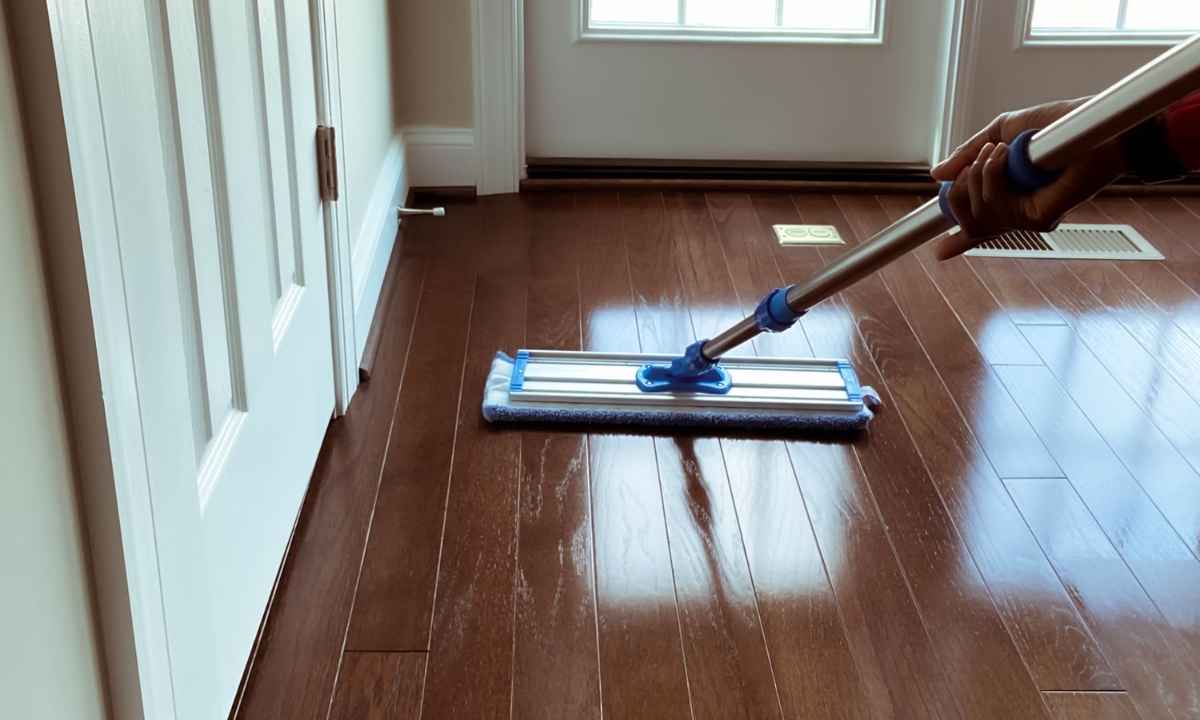
Hardwood floors add warmth and elegance to any home. But without the right cleaning routine, they can quickly lose their shine, develop scratches, or warp from moisture damage. Learning how to clean hardwood floors properly protects your investment and keeps them looking great for decades.
This guide covers everything from daily maintenance to deep cleaning, along with the biggest mistakes you must avoid.
Know Your Floor Type Before You Start
Not all hardwood floors are cleaned the same way. Before grabbing a mop, identify your floor’s finish. The easiest test is the water drop method: place a few drops of water on an out-of-the-way spot. If the water beads up, your floor has a surface finish such as polyurethane. If it soaks in, you have a penetrating or oil finish.
| Floor Finish Type | Cleaning Method | What to Avoid |
| Polyurethane (sealed) | Damp microfiber mop, pH-neutral cleaner | Steam mops, wet mopping |
| Oil-finished | Specialty oil-based cleaner, dry mop | Water-based cleaners, excess moisture |
| Wax finish | Dry cleaning, solvent-based cleaner | Water, commercial sprays |
| Engineered hardwood | Slightly damp mop, mild cleaner | Harsh chemicals, steam |
Knowing your finish type prevents damage and helps you choose the right wood floor cleaner.
Daily Cleaning Routine for Hardwood Floors
Daily upkeep is the foundation of hardwood floor care. Small debris like sand, grit, and pet hair act like sandpaper underfoot, grinding away at the finish over time.
What to do every day or every other day:
- Use a microfiber dust mop to sweep the entire floor. Microfiber creates a static charge that attracts and traps dust instead of pushing it around.
- Blot any spills immediately using a soft, dry cloth. Never let liquid sit on the surface.
- Spot clean sticky areas with a lightly dampened cloth, then dry right away.
A consistent daily sweep takes only a few minutes and dramatically reduces long-term wear on the wood grain and finish.
Weekly Vacuuming for Deeper Dust Removal
Once a week, vacuum your hardwood floors to pull out dirt that settles into the wood grain and between boards. Always use a soft brush attachment or set the vacuum to the bare floor setting. Never use a beater bar or rotating brush head, as these can leave fine scratches across the surface finish.
Pay extra attention to corners, under furniture, and along baseboards where dust and pet dander tend to gather.
How to Mop Hardwood Floors the Right Way
Monthly mopping with a proper hardwood floor cleaner is the best way to remove built-up grime that dry mopping cannot tackle.
Follow these steps for safe, effective hardwood floor mopping:
- Sweep or vacuum first to remove all loose dirt.
- Choose a pH-neutral cleaner specifically made for hardwood floors.
- Lightly mist a small section of the floor with the cleaner, or dampen your microfiber mop and wring it out thoroughly. The mop should feel barely damp, not wet.
- Mop in the direction of the wood grain to lift dirt from between boards.
- Work in small sections and dry each area as you go.
- Wipe up any remaining moisture with a clean, dry cloth.
The rule is simple: if there is standing water on the floor after mopping, you have used too much liquid. Excess moisture seeps into wood seams and causes swelling, warping, and joint separation over time.
Must Read: How to Clean a Blackstone Griddle the Right Way
Deep Cleaning Hardwood Floors
Deep cleaning every one to three months removes embedded grime and restores the floor’s natural luster. Use a wet-dry vacuum mop combination or a spray mop designed for wood floors. For stubborn spots such as hardened gum or wax, apply ice to harden the substance first, then gently scrape with a plastic scraper or a credit card.
For high-traffic areas like entryways and hallways, consider increasing your deep cleaning frequency to once a month.
What NOT to Use on Hardwood Floors
Many common cleaning products can permanently damage hardwood. Here is what to avoid entirely:
- Steam mops: High heat and moisture travel deep into wood fibers, causing warping and discoloration. Most flooring manufacturers void warranties when steam cleaning is used.
- Vinegar or ammonia: These acidic and alkaline solutions strip the protective finish and leave the wood dull. Vinegar has a pH of 2 to 3, far too low for safe wood floor cleaning.
- Oil soaps and wax polishes: They leave a slippery, hazy residue that interferes with professional refinishing later on.
- Wet mops: Traditional rag mops hold too much water and release it onto the surface, causing moisture damage.
- Abrasive scrubbing pads or steel wool: These scratch and remove the surface coating.
Hardwood Floor Maintenance Schedule
Following a consistent schedule makes hardwood floor care simple and prevents costly repairs.
| Frequency | Task |
| Daily | Sweep or dust mop, blot spills immediately |
| Weekly | Vacuum with soft brush attachment |
| Monthly | Damp mop with pH-neutral hardwood cleaner |
| Every 3 to 6 months | Deep clean, spot treat worn areas |
| Every 3 to 5 years | Apply a new coat of finish |
| Every 10 years | Sand and refinish as needed |
Extra Tips to Protect Your Hardwood Floors
Good cleaning habits go beyond just mopping. These simple measures extend the life of your floors:
- Place doormats at all entrances to catch dirt, grit, and moisture before it reaches the wood.
- Add felt pads under all furniture legs to prevent scratching when items are moved.
- Trim pet nails regularly to avoid claw marks on the surface.
- Remove shoes, especially high heels and cleats, at the door.
- Place area rugs in high-traffic zones like hallways and the kitchen.
- Control indoor humidity. During dry winters, a humidifier prevents the wood from shrinking and cracking. In humid summers, air conditioning limits excessive expansion.
- Occasionally rearrange rugs and furniture so the floor ages and wears evenly.
Frequently Asked Questions
Can I use vinegar to clean hardwood floors?
No. Vinegar is too acidic for wood floors and will gradually strip the protective finish, leaving the surface dull and worn.
How often should hardwood floors be mopped?
Once a month with a damp microfiber mop and a hardwood-specific cleaner is enough for most homes. High-traffic areas may need it more often.
Is a steam mop safe for hardwood floors?
No. Steam drives heat and moisture into wood fibers and seams, which causes warping, discoloration, and can void your floor warranty.
What is the best cleaner for hardwood floors?
A pH-neutral cleaner formulated specifically for hardwood floors is the safest and most effective option. Always follow the product instructions and test in a hidden spot first.
How do I remove scratches from hardwood floors?
Use a liquid scratch concealer that matches your floor’s color for minor scratches. For deeper damage, wood floor polish or a professional refinishing job may be needed.
Conclusion
Knowing how to clean hardwood floors properly is the difference between a floor that lasts a lifetime and one that needs costly repairs within a few years. Stick to a microfiber mop, a pH-neutral wood floor cleaner, and a damp-not-wet approach.
Sweep daily, vacuum weekly, mop monthly, and protect the surface with mats, felt pads, and a regular refinishing schedule. Avoid steam, vinegar, oil soaps, and excessive water at all costs. With the right routine, your hardwood floors will stay beautiful, durable, and scratch-free for decades to come.