
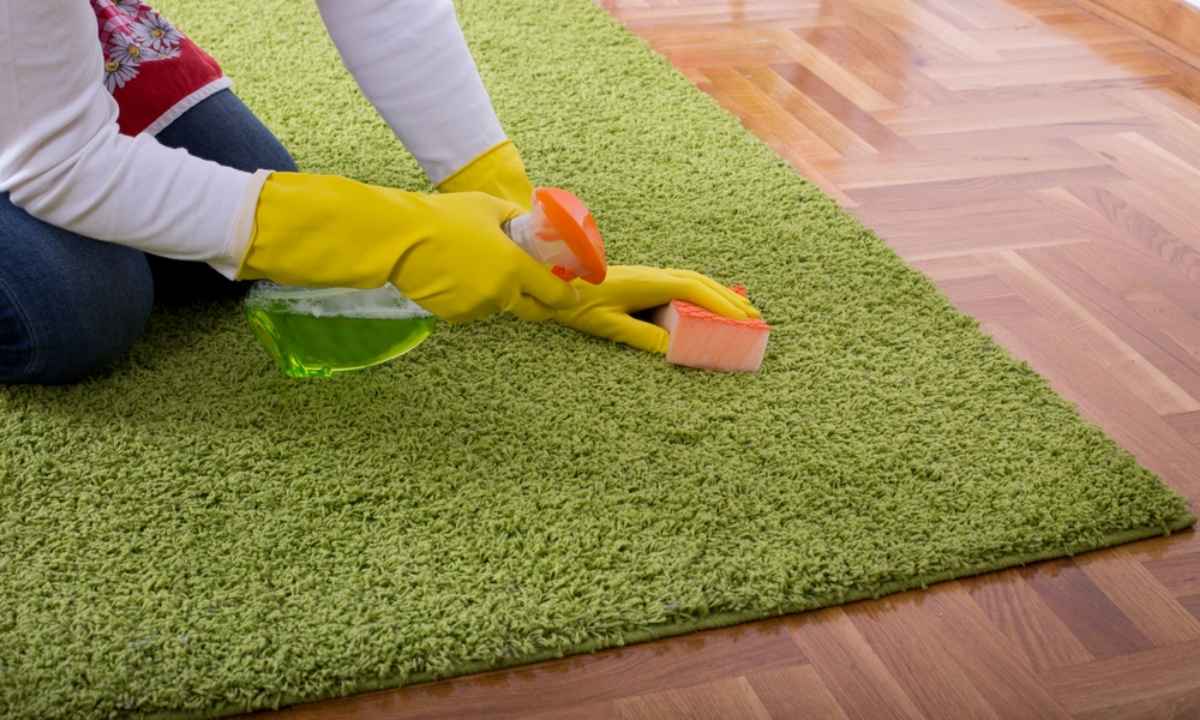
Your carpet silently collects dirt, allergens, and bacteria every single day. Most homeowners don’t realize their carpets harbor pounds of hidden grime that vacuuming alone can’t remove. Learning how to clean a carpet at home saves money and protects your family’s health.
This comprehensive guide reveals professional techniques using household items you already own. Get ready to transform your dingy carpets into fresh, vibrant floors without expensive equipment or harsh chemicals.
Why Regular Carpet Cleaning Matters
Clean carpets do more than look good. They protect your health in ways you might not expect. Indoor air quality improves dramatically when you clean carpets regularly. The EPA reports that carpets trap allergens, dust mites, and pollutants that vacuum cleaners can’t fully extract. These particles circulate through your home every time someone walks across the room.
Regular cleaning extends carpet lifespan by 5-10 years. That’s serious money saved on replacement costs. Dirt particles act like sandpaper on carpet fibers, wearing them down with each step you take.
Your family breathes easier too. Asthma and allergy sufferers notice immediate relief after deep carpet cleaning removes trapped irritants.
Signs Your Carpet Needs Deep Cleaning
How do you know it’s time? Watch for these warning signs that demand immediate attention. Visible dirt pathways appear in high-traffic areas despite regular vacuuming. Your carpet looks dull compared to edges hidden under furniture. Musty odors emerge after rain or in humid weather.
Touch tells the truth. Sticky or crunchy textures mean residue buildup that attracts more dirt. If you’ve experienced illness in your household recently, deep cleaning eliminates lingering bacteria. The six-month rule applies universally. Any carpet needs deep cleaning twice yearly minimum, more often with pets or children.
How to Clean a Carpet Step by Step
Follow this proven method for professional results without professional costs. Preparation comes first. Remove furniture or lift items off the carpet completely. Vacuum thoroughly in multiple directions, not just back and forth. Treat visible stains before overall cleaning begins. Open windows for ventilation and faster drying.
Mix your cleaning solution (recipes below). Test it on a hidden carpet area first. Apply solution to one section at a time, working from the furthest corner toward your exit. Use circular scrubbing motions with a brush.
Extract moisture immediately with clean white towels. Press down firmly, don’t rub. Rinse with plain water if you used soap. Allow 6-8 hours drying time with fans running.
Read Also: How to Clean a Mattress: Complete Step-by-Step Guide
Best Homemade Carpet Cleaning Solutions
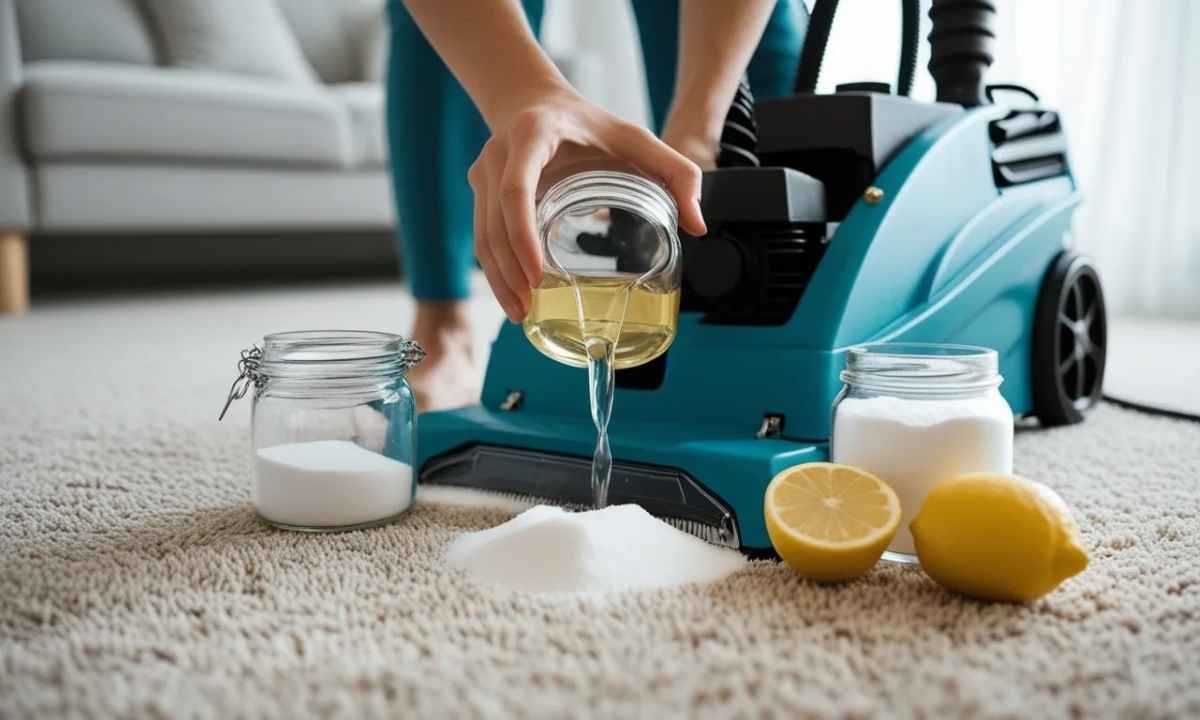
Skip expensive commercial cleaners. These DIY formulas work brilliantly.
All-Purpose Cleaner:
- 2 tablespoons liquid dish soap
- 1/4 cup white vinegar
- 2 cups warm water
- 10 drops essential oil (optional)
Mix in a spray bottle. Perfect for routine cleaning on all carpet types.
Heavy-Duty Formula:
- 1/2 cup hydrogen peroxide (3%)
- 2 tablespoons white vinegar
- 2 cups water
This tackles stubborn embedded dirt. Test on colored carpets first to prevent lightening.
Gentle Formula for Delicate Fibers:
- 1 tablespoon clear dish soap
- 1 tablespoon white vinegar
- 2 cups lukewarm water
Ideal for wool or natural fiber carpets that need extra care.
How to Remove Carpet Stains Easily
Speed matters with stain removal. Act within minutes for best results. Coffee and tea stains respond to vinegar-water solution. Blot excess liquid first, then apply equal parts vinegar and water. Work from stain edges inward. Never rub, always blot.
Wine stains need salt immediately. Pour generously over wet spill. Let it absorb for 10 minutes, then vacuum. Follow with club soda application. Pet stains require enzyme cleaners or white vinegar. The acid neutralizes ammonia odors.
Sprinkle baking soda after cleaning to absorb lingering smells. Grease stains surrender to cornstarch. Sprinkle liberally, wait 30 minutes, vacuum. Then apply dish soap diluted in water.
Cleaning Carpet with Baking Soda and Vinegar
This dynamic duo delivers remarkable results using pantry staples. Baking soda neutralizes odors while vinegar disinfects. Together they create a fizzing reaction that loosens embedded dirt without harsh chemicals.
For general deodorizing, sprinkle baking soda generously across your carpet. Let it sit overnight if possible. Vacuum thoroughly in the morning. Your carpet smells fresh without artificial fragrances.
For deep cleaning, make a paste with 3 parts baking soda to 1 part water. Apply to stains, let dry completely, then vacuum. Follow with light vinegar spray (1:1 vinegar to water ratio). The vinegar smell dissipates within hours as it dries. Ensure good ventilation during application.
How to Deep Clean a Carpet Without a Machine
No fancy equipment? No problem. Manual methods work surprisingly well. The bucket and brush technique requires elbow grease but delivers results. Fill a bucket with your cleaning solution. Dip a stiff brush, shake off excess, and scrub in circular motions. Work in 2-foot sections.
Extract moisture with clean towels after each section. Press firmly, applying your body weight for maximum absorption.
The steam method uses a household iron. Dampen a clean cloth, place over carpet, and hover iron above (don’t touch carpet). Steam loosens dirt for easy extraction. Snow cleaning works in winter climates. Lay carpet outside on fresh snow, beat vigorously, and shake. Snow absorbs dirt naturally.
Tips to Keep Your Carpet Fresh Longer
Prevention beats constant deep cleaning every time. Implement a no-shoes policy indoors. Shoes track in 80% of carpet dirt according to cleaning studies. Place quality door mats at every entrance.
Vacuum high-traffic areas three times weekly minimum. Rotate furniture annually to prevent permanent wear patterns. Treat spills within 5 minutes, before they set.
Monthly baking soda treatments maintain freshness between deep cleans. Professional scotch-guarding adds stain resistance for homes with kids or pets. Control humidity between 30-50% to prevent mold growth in carpet padding.
Common Carpet Cleaning Mistakes to Avoid
Learning from mistakes saves your carpet from permanent damage. Over-wetting causes mold, mildew, and padding deterioration. Use minimal moisture and maximum extraction. Carpets should feel barely damp, not soaked.
Wrong products damage fibers irreversibly. Avoid bleach-based cleaners always. Skip harsh alkaline solutions on wool carpets. Soap residue attracts dirt faster than it cleans.
Rubbing stains spreads them wider and damages fibers. Blotting absorbs liquid without destruction. Patience yields better results than aggressive scrubbing. Never skip the pre-vacuum step. Cleaning dirty carpet creates mud that embeds deeper into fibers.
How Often Should You Clean Your Carpet
Frequency depends on your household specific needs.
General Guidelines:
- Vacuum: 1-3 times weekly
- Spot clean: Immediately as stains occur
- Deep clean: Every 6-12 months
- Professional cleaning: Every 12-18 months
Pet owners need more frequent attention. Dogs and cats increase deep cleaning needs to every 3-6 months. Households with allergies benefit from monthly deep cleaning of bedroom carpets.
Light-colored carpets show dirt faster but don’t actually get dirtier. They just need more visible maintenance. High-traffic areas like hallways need quarterly attention even if other rooms can wait longer.
Seasonal schedules work well. Deep clean in spring after winter tracked-in salt and mud. Clean again in fall before holiday gatherings.
FAQs
Can I use bleach to clean my carpet at home?
Never use bleach on carpets. It damages fibers permanently and causes discoloration that cannot be reversed.
How long does carpet take to dry after cleaning?
Carpets typically dry within 6-8 hours with proper ventilation. Use fans to speed up the drying process.
Is vinegar safe for all carpet types?
Vinegar works safely on most synthetic carpets. Always test on hidden areas first before applying to visible sections.
What removes pet urine smell from carpets effectively?
White vinegar neutralizes ammonia odors. Follow with baking soda application to absorb any remaining smells completely.
Do I need to rinse carpet after cleaning?
Yes, rinse away soap-based solutions thoroughly. Soap residue attracts dirt faster, making your carpet dirty again quickly.
Conclusion
Cleaning your carpet at home protects health, saves money, and extends floor lifespan significantly. You don’t need expensive machines or harsh chemicals to achieve professional results.
Simple household items like vinegar, baking soda, and dish soap tackle even stubborn stains effectively. Start with one room this weekend using these proven techniques. Your family deserves the fresh, clean environment that properly maintained carpets provide. Take action today for cleaner air and healthier living tomorrow.