
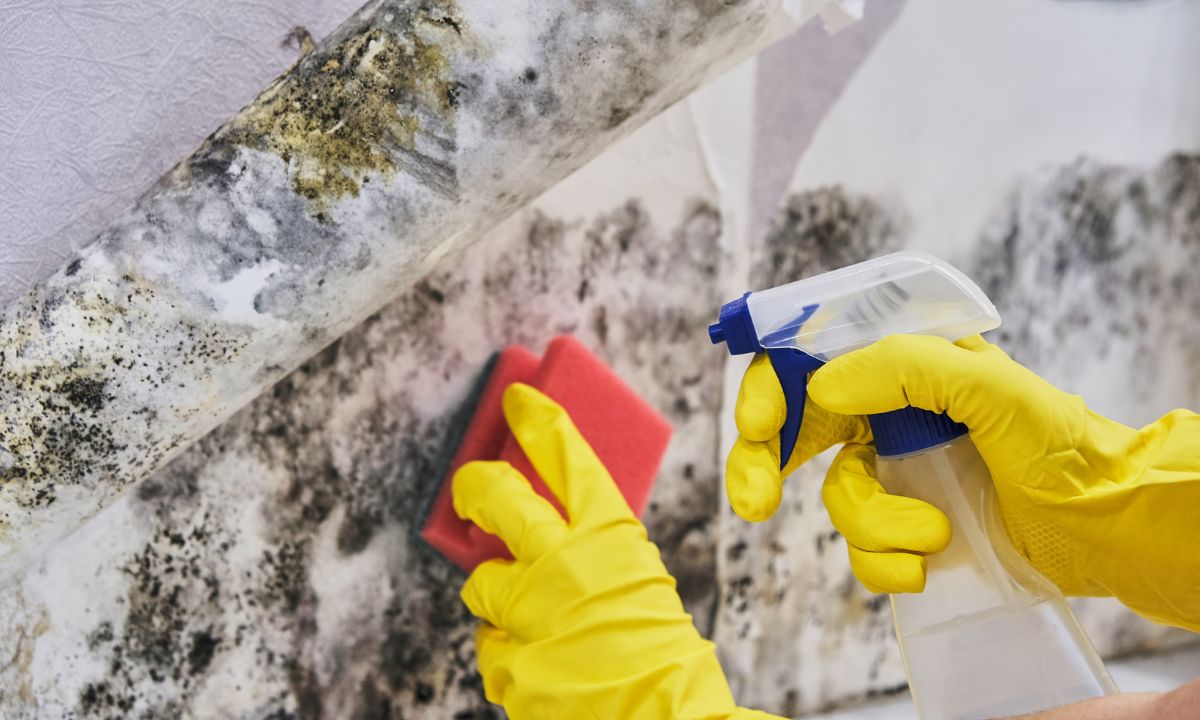
Black mold is one of the most common and frustrating problems homeowners face. It grows fast, spreads quietly, and can seriously affect your health if left untreated. The good news is that with the right approach, you can remove black mold safely and stop it from coming back.
This guide walks you through everything you need to know, from safety gear to cleaning solutions, surface-specific tips, and long-term prevention.
What Is Black Mold and Why Is It Dangerous?
Black mold, scientifically known as Stachybotrys chartarum, is a dark greenish-black fungus that thrives in damp, poorly ventilated spaces. It commonly appears in bathrooms, basements, kitchens, and around leaky pipes.
Exposure to black mold spores can trigger:
- Coughing, sneezing, and nasal congestion
- Eye irritation and skin rashes
- Respiratory problems, especially in people with asthma or COPD
- Worsened allergy symptoms
People with weakened immune systems, chronic lung disease, or mold allergies should not attempt mold removal themselves.
Safety Gear You Need Before Starting
Never approach black mold without proper protection. Mold spores become airborne during cleaning, and inhaling them is a real health risk.
Gear up with:
- N-95 respirator or a mask rated for mold spore protection
- Rubber gloves (extended to mid-forearm if possible)
- Safety goggles without ventilation holes
- Long-sleeved shirt and long pants
- Disposable clothes or clothes you can wash immediately after
Before you begin cleaning, turn off your HVAC system to prevent mold spores from spreading through air ducts. Seal off doorways to other rooms using plastic sheeting and painters tape. Place an exhaust fan near a window or door to push airborne spores outside.
Best Cleaning Solutions for Black Mold
You do not need expensive products to kill black mold. Several household items work very effectively.
| Cleaning Solution | Best Used For | How to Use |
| White Vinegar | Tiles, grout, hard surfaces | Apply undiluted, let sit 1 hour |
| Bleach Solution | Non-porous surfaces, bathroom tiles | 1 cup bleach per 1 gallon water |
| Baking Soda Paste | Stubborn mold stains | Mix with water, scrub and rinse |
| Vinegar, Baking Soda, Water Mix | General surfaces | 1 part baking soda, 5 parts each of vinegar and water |
| Borax Solution | Painted walls, wood | 2 tbsp borax, 1/4 cup vinegar, 2 cups hot water |
| Hydrogen Peroxide | Lighter mold growth | Spray directly, wait 10 minutes |
One important warning: never mix bleach with vinegar, ammonia, or any other cleaner. This creates toxic fumes that are dangerous to breathe.
Step-by-Step: How to Clean Black Mold
Step 1: Identify and Fix the Moisture Source
Before cleaning anything, find out where the moisture is coming from. Mold always returns if the source is not addressed. Check for leaking pipes, broken seals around showers, clogged drains, and poor ventilation. Fix any leaks before moving forward.
Step 2: Prepare the Area
Seal off the affected room. Turn off heating and cooling systems. Put on all protective gear. Open a window if possible and set up an exhaust fan.
Step 3: Choose and Mix Your Cleaning Solution
Pick the right solution for your surface type. For bathroom tiles, a bleach solution or undiluted white vinegar works best. For painted walls, use the borax, vinegar, and water mixture. For porous surfaces like drywall, mold often cannot be fully removed and the material may need replacement.
Step 4: Apply and Let It Sit
Spray or apply the cleaning solution directly onto the moldy surface. Let it soak for at least 10 to 30 minutes. For vinegar, let it sit for a full hour without rinsing. This gives the solution time to penetrate and kill the mold at the root.
Step 5: Scrub the Area
Use a stiff-bristled brush for larger areas or an old toothbrush for grout lines and tight corners. Scrub firmly until the mold is fully removed. For stubborn stains, apply a baking soda paste, let it sit, then scrub again.
Step 6: Rinse and Dry Completely
Rinse the surface with clean water and wipe it down with a dry cloth. Drying is critical. Leaving moisture behind invites mold to return. Use a fan or dehumidifier to speed up the drying process.
Step 7: Final Disinfection
Once the surface is dry, apply one last light spray of vinegar or a disinfectant. This helps kill any remaining spores and acts as a preventive barrier.
Cleaning Black Mold by Surface Type
Different surfaces require slightly different approaches.
Bathroom Tile and Grout: Use a bleach solution or a commercial mold remover. Let it sit for at least 30 minutes, then scrub. Be cautious with bleach on colored grout as it may cause fading.
Bathroom Walls (Painted): Use the borax and vinegar solution. Avoid harsh bleach on paint as it can damage the finish.
Shower Caulk: Mold in caulk is very difficult to remove. If scrubbing does not work, remove the old caulk entirely, clean the area, dry it fully, and re-caulk with mold-resistant caulk.
Ceiling: Use a long-handled brush to apply your chosen cleaning solution. Work carefully to avoid drips. Always dry the ceiling completely after cleaning.
Drywall: If mold has penetrated drywall deeply, it usually cannot be cleaned. That section of drywall needs to be cut out and replaced. Do not paint over moldy drywall as the paint will peel and the mold will continue to grow beneath.
When to Call a Professional
DIY mold removal works well for smaller infestations. According to the EPA, if the moldy area is larger than 10 square feet (roughly 3 feet by 3 feet), professional remediation is recommended. You should also call a professional if:
- Mold keeps returning after repeated cleaning
- There is mold behind walls or under flooring
- There has been significant water damage in the home
- Anyone in the household has serious respiratory or immune system conditions
Must Read: How to Clean a Toaster (The Right Way, Step by Step)
How to Prevent Black Mold from Coming Back
Removing mold is only half the job. Preventing it from returning is equally important.
- Keep indoor humidity levels between 30 and 60 percent using a dehumidifier
- Run the bathroom exhaust fan during and for 30 minutes after showers
- Squeegee shower walls and doors after every use
- Fix leaking faucets and pipes as soon as possible
- Seal grout lines once a year to block moisture absorption
- Avoid hanging wet towels inside the bathroom
- Use mold-resistant paint in bathrooms and other high-moisture areas
- Regularly clean and inspect areas around sinks, drains, and window frames
Frequently Asked Questions
Can I clean black mold myself or do I need a professional?
You can handle small patches under 10 square feet yourself. Larger infestations or mold inside walls require a licensed remediation specialist.
Does bleach kill black mold completely?
Bleach kills surface mold on non-porous materials but does not penetrate porous surfaces like drywall or wood, where mold roots can survive.
Is vinegar or bleach better for killing black mold?
Vinegar is safer and penetrates deeper into porous surfaces. Bleach is stronger on tiles and non-porous materials but should never be mixed with vinegar.
How long does it take to clean black mold?
Small bathroom mold spots can be cleaned in 1 to 2 hours. Larger areas or rooms with heavy mold growth may take a full day or require multiple sessions.
How do I know if black mold is making me sick?
Common symptoms include persistent coughing, nasal congestion, headaches, skin irritation, and worsening allergy or asthma symptoms when spending time in certain rooms.
Final Thoughts
Cleaning black mold is not a task to put off. The sooner you address it, the easier and safer the removal process will be.
Always protect yourself with proper gear, choose the right cleaning solution for your surface, and most importantly, fix the moisture problem causing the mold in the first place. With the right steps, you can take back your home and keep it mold-free for good.