
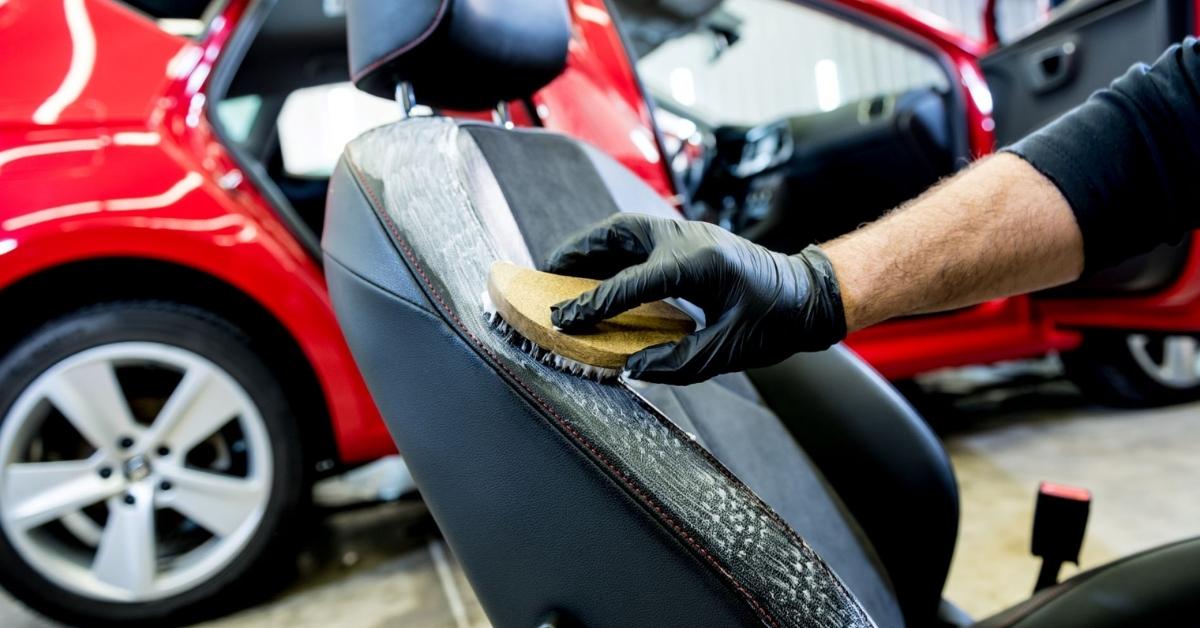
 Keeping your car interior clean is essential not only for aesthetics but also for hygiene, comfort, and vehicle value. This guide on how to clean car seats provides a clear, practical, and detailed approach to maintaining different types of car upholstery, including fabric, leather, and synthetic materials. Many car owners underestimate how quickly dirt, dust, stains, and bacteria accumulate in car seats due to daily use. Over time, this buildup can lead to unpleasant odors, permanent stains, and even material damage.
This comprehensive guide explains step-by-step cleaning methods, essential tools, and expert techniques to restore your car seats to like-new condition. It also highlights the differences between materials, the right cleaning products to use, and preventive care strategies to keep your seats cleaner for longer. Whether you’re dealing with stubborn stains or routine maintenance, this guide gives you actionable insights to achieve professional-level results at home.
Understanding Different Types of Car Seats and Their Cleaning Needs
Before learning how to clean car seats, it’s important to understand the type of material you are working with. Different materials require different cleaning approaches, and using the wrong method can damage the seat permanently.
Common Types of Car Seat Materials
- Fabric Upholstery
- Most common in standard vehicles
- Absorbs spills and stains easily
- Requires deep cleaning to remove embedded dirt
- Leather Upholstery
- Premium look and feel
- Sensitive to harsh chemicals and excessive moisture
- Needs conditioning to prevent cracking
- Synthetic Materials (Vinyl or Faux Leather)
- Durable and easier to clean
- Resistant to stains but can still accumulate grime
- Requires gentle cleaning and occasional protection
Understanding these differences helps ensure that your cleaning process is both safe and effective.
Why Material Matters
Each material reacts differently to water, chemicals, and scrubbing. For example:
- Fabric can handle deep cleaning but may take longer to dry.
- Leather requires gentle wiping and conditioning.
- Synthetic surfaces need mild cleaning agents to maintain their finish.
Using the correct approach not only improves results but also extends the life of your car seats.
Essential Tools and Cleaning Products You Will Need
To clean car seats effectively, having the right tools is crucial. A well-prepared setup saves time and ensures better results.
Basic Cleaning Supplies
Here is a list of essential tools and materials you should gather:
Unordered List:
- Vacuum cleaner with upholstery attachment
- Microfiber cloths
- Soft-bristle brush
- Spray bottle
- Mild detergent or upholstery cleaner
- Warm water
- Leather conditioner (for leather seats)
- Baking soda (for odor removal)
Ordered List: Steps to Prepare Tools
- Vacuum the seats thoroughly to remove loose debris.
- Prepare a cleaning solution based on the seat material.
- Test any cleaner on a hidden area before full application.
- Keep separate cloths for cleaning and drying.
- Ensure proper ventilation while cleaning.
Product Categories for Cleaning
Instead of focusing on brands, here are general product categories that are commonly used:
| Product Type | Purpose | Best For |
| Upholstery Cleaner | Removes dirt and stains | Fabric seats |
| Leather Cleaner | Cleans and nourishes leather | Leather seats |
| Microfiber Cloths | Wiping and drying | All materials |
| Fabric Protectant | Prevents future stains | Fabric seats |
| Leather Conditioner | Prevents cracking | Leather seats |
These categories help you choose the right product depending on your seat material and cleaning needs.
Step-by-Step Guide on How to Clean Fabric Car Seats
Fabric seats require a more detailed cleaning process due to their absorbent nature. Dirt, dust, and spills can easily penetrate deep into the fibers.
Step 1: Vacuum Thoroughly
Start by vacuuming the entire surface, including seams and crevices. This removes dust, crumbs, and loose dirt that can interfere with cleaning.
Step 2: Apply Cleaning Solution
Mix a mild detergent with warm water or use a dedicated upholstery cleaner. Spray lightly onto the stained areas.
Step 3: Gently Scrub
Using a soft-bristle brush, gently scrub the surface in circular motions. Avoid harsh scrubbing, which can damage the fibers.
Step 4: Wipe and Remove Residue
Use a clean microfiber cloth to absorb excess moisture and cleaning solution.
Step 5: Dry Properly
Allow the seats to air dry completely. Avoid using the car until fully dry to prevent mold or odors.
Additional Tips
- Avoid over-saturating the fabric
- Use baking soda to eliminate odors
- Clean stains immediately for better results
Proper care ensures your fabric seats remain clean, fresh, and long-lasting.
How to Clean Leather Car Seats Without Damaging Them
Leather seats require a more delicate approach due to their sensitive nature. Harsh cleaning methods can cause cracking, discoloration, or dryness.
Step 1: Dust and Vacuum
Use a soft vacuum attachment to remove dust and debris from the surface and seams.
Step 2: Use a Leather Cleaner
Apply a specialized leather cleaner onto a microfiber cloth—not directly onto the seat.
Step 3: Gently Wipe
Wipe the leather in small sections using light pressure. Avoid soaking the material.
Step 4: Condition the Leather
Apply a leather conditioner to keep the material soft and prevent cracks. This step is essential for long-term maintenance.
Benefits of Proper Leather Cleaning
- Prevents cracking and fading
- Maintains a luxurious appearance
- Extends seat lifespan
Common Mistakes to Avoid
- Using too much water
- Applying harsh chemicals
- Skipping conditioning
By following these steps, you can keep your leather seats in excellent condition for years.
How to Remove Common Stains from Car Seats
Stains are inevitable, but knowing how to handle them quickly can make a big difference. Here are some common stains and how to treat them.
Types of Stains and Solutions
| Stain Type | Solution |
| Coffee | Blot and use mild detergent |
| Grease | Use baking soda to absorb oil |
| Ink | Apply alcohol-based cleaner |
| Food stains | Warm water and soap |
| Mud | Let dry, then vacuum and clean |
General Stain Removal Steps
- Blot the stain immediately
- Avoid rubbing, as it spreads the stain
- Apply appropriate cleaner
- Gently clean the area
- Dry thoroughly
Important Tip
Always test cleaning solutions on a hidden area first to prevent discoloration or damage.
Preventive Maintenance Tips for Cleaner Car Seats
Prevention is just as important as cleaning. Maintaining clean car seats reduces the need for deep cleaning and extends their life.
Daily and Weekly Habits
Unordered List:
- Vacuum seats weekly
- Avoid eating in the car
- Use seat covers for protection
- Wipe spills immediately
- Keep cleaning wipes in the car
Protective Measures
- Use fabric protectant sprays for stain resistance
- Apply leather protectant regularly
- Use sunshades to reduce UV damage
- Install seat covers for added protection
Benefits of Preventive Care
- Reduces cleaning frequency
- Keeps car interior fresh
- Maintains resale value
- Saves time and money
A little maintenance goes a long way in preserving your car’s interior condition.
Deep Cleaning vs Regular Cleaning: What’s the Difference?
Understanding the difference helps you decide when and how to clean your car seats.
Comparison Table
| Feature | Regular Cleaning | Deep Cleaning |
| Frequency | Weekly or bi-weekly | Every few months |
| Effort | Low | High |
| Tools | Basic | Advanced (steam cleaner, etc.) |
| Purpose | Maintenance | Thorough restoration |
When to Choose Deep Cleaning
- Heavy stains are present
- Persistent odors exist
- Seats look worn or dull
- After long periods of neglect
Deep cleaning helps restore the original appearance and cleanliness of your car seats.
Advanced Techniques for Professional-Level Cleaning
For those who want superior results, advanced techniques can elevate your cleaning process.
Steam Cleaning
Steam cleaning uses high-temperature steam to break down dirt and kill bacteria. It is especially effective for fabric seats.
Extraction Cleaning
This method uses a machine to inject and extract cleaning solution, removing deep-seated dirt and moisture.
When to Use Advanced Methods
- For heavily soiled seats
- After spills that penetrate deep layers
- For thorough interior detailing
These techniques provide a deeper clean than traditional methods, making them ideal for professional-grade results.
Conclusion: Mastering How to Clean Car Seats
Learning how to clean car seats is essential for maintaining a clean, comfortable, and long-lasting vehicle interior. From understanding different materials to using the right tools and techniques, every step plays a crucial role in achieving the best results. Regular maintenance, proper stain removal, and preventive care can significantly reduce wear and keep your car seats looking new.
By applying the methods outlined in this guide, you can confidently clean fabric, leather, and synthetic seats without causing damage. Whether you choose simple home cleaning methods or advanced techniques, consistency is the key to long-term success. A clean car interior not only improves your driving experience but also protects your investment for years to come.