
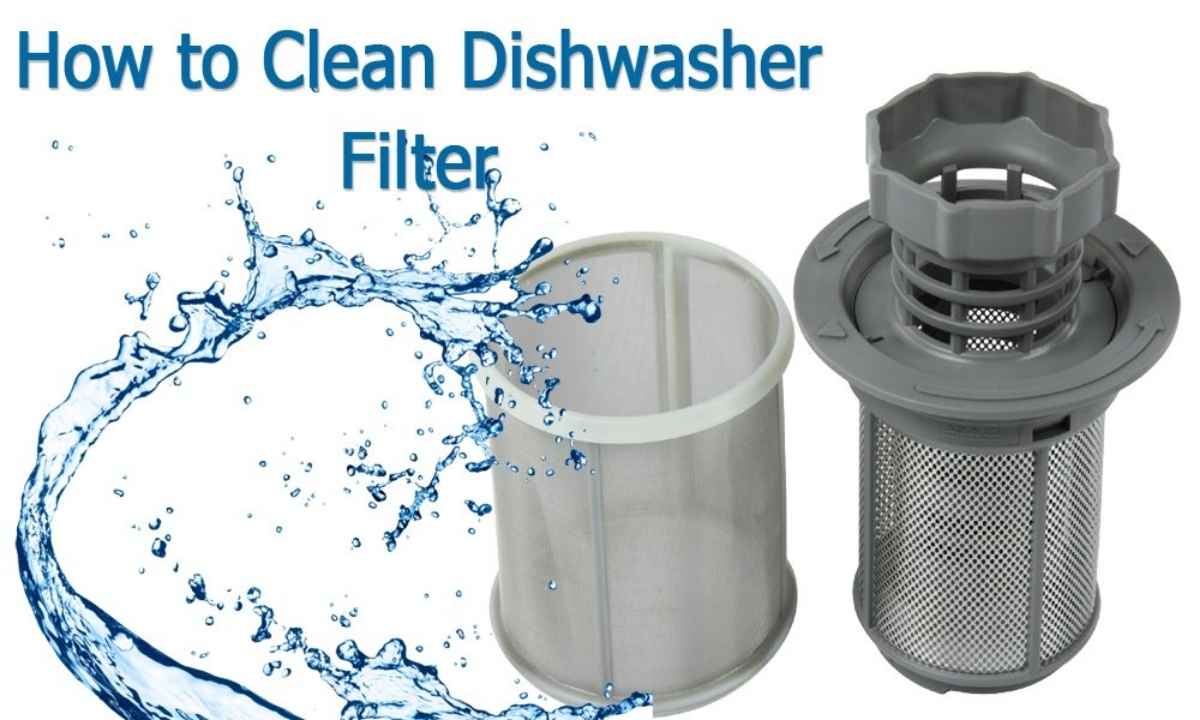
Your dishes come out cloudy. There’s a weird smell every time you open the door. Sound familiar? The culprit is almost always your dishwasher filter. Most Americans don’t even know their dishwasher has one that needs manual cleaning.
This complete guide walks you through exactly how to clean your dishwasher filter, how often to do it and what mistakes to avoid so your machine runs like new.
Why Cleaning Your Dishwasher Filter Is Important
Think of the filter as your dishwasher’s kidney. It catches food particles, grease, and debris so dirty water doesn’t recirculate onto your plates. When it gets clogged, everything suffers. Your dishes come out dirty, your machine smells and the motor works overtime just to compensate.
Most modern American dishwashers from brands like Bosch, Whirlpool and KitchenAid use manual filters. Unlike older self-cleaning models, these need regular attention from you.
| Neglected Filter | Regularly Cleaned Filter |
| Cloudy, dirty dishes | Sparkling clean results |
| Foul odors | Fresh-smelling interior |
| Weak water pressure | Strong water circulation |
| Risk of pump damage | Longer appliance lifespan |
Ignoring your filter doesn’t just mean dirty dishes. Over time, trapped food decays inside the machine, creating bacteria that ends up on your “clean” plates. That’s a genuine health concern worth taking seriously.
How to Remove a Dishwasher Filter Safely
Good news: removing the filter is easier than it sounds. No tools required for most models. The filter sits at the bottom of the dishwasher tub, right beneath the lower spray arm.
Tools You Will Need
Before you start cleaning your dishwasher filter, grab these:
- Soft-bristle brush or old toothbrush
- Dish soap or white vinegar
- Warm water
- Microfiber cloth or paper towels
- Small bowl or sink basin
- Rubber gloves (optional)
Pull out the bottom rack completely. Look for a cylindrical filter in the center of the tub floor. Twist it counterclockwise about a quarter turn and lift it out. Beneath it sits a flat mesh filter. Remove that too. Handle both pieces gently because the mesh tears easily if you force it.
If your model looks different, search “[your brand] dishwasher filter removal” online. Bosch and Whirlpool, for example, have slightly different mechanisms.
How to Clean Dishwasher Filter with Warm Soapy Water
This is your go-to method for regular maintenance. Simple, fast and effective. No harsh chemicals needed.
Rinse both filter pieces under warm running water first. Apply a small drop of dish soap to your soft brush and scrub the mesh using gentle circular motions. Pay attention to the crevices where grease loves to hide. Rinse thoroughly until the water runs clear. Hold the filter up to the light. If you can see through the mesh easily, it’s clean.
Reassemble by reversing the removal steps. Set the flat mesh filter in first, then seat the cylindrical filter on top and twist clockwise until it clicks into place. Run a short rinse cycle to confirm everything works. A few key rules: never use abrasive scrubbers, avoid boiling water since it warps plastic and always make sure the filter is properly locked before running the machine.
How Often Should You Clean a Dishwasher Filter?
Once a month is the standard recommendation for most American households. But your lifestyle matters here.
| Household Type | Recommended Frequency |
| Single person, light use | Every 2 months |
| Average family of 2 to 4 | Once a month |
| Large family, daily use | Every 2 weeks |
| Pre-rinsing dishes before loading | Every 6 to 8 weeks |
Clean it more often if you cook greasy foods regularly, you live in a hard water state like Texas, Arizona or Florida or you run the dishwasher every single day. Hard water accelerates mineral buildup on the filter mesh faster than most people realize.
Read Also: How to Clean Dryer Vent Safely
Signs Your Dishwasher Filter Is Clogged
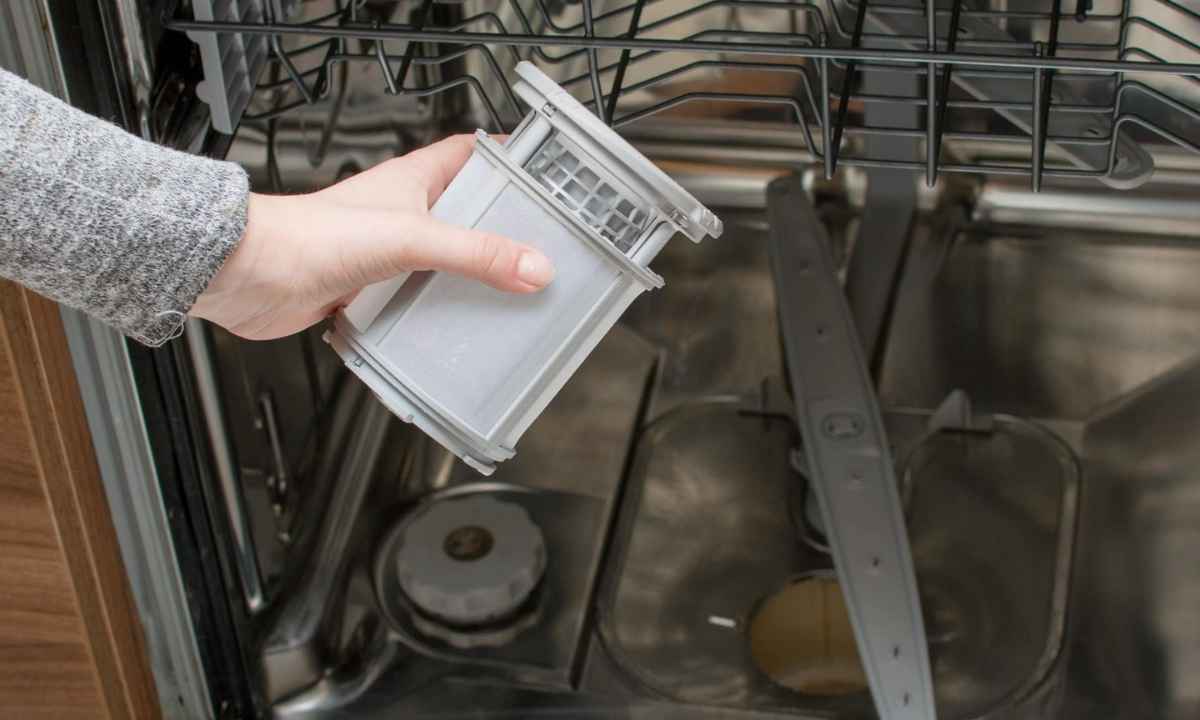
Your dishwasher will tell you when something is wrong. You just need to know what to listen for. Dirty dishes after a full cycle is the most obvious sign. Food particles clog the filter and redeposit onto your plates during the wash. Standing water at the bottom of the tub means the blockage is preventing proper drainage. A gritty texture on glassware? That’s fine debris recirculating through the system.
Other signs include unpleasant odors from decaying trapped food, unusual gurgling sounds during a cycle and longer wash times as the machine compensates for reduced water flow. Always rule out the filter first. It’s the quickest and easiest fix before you call a repair technician.
How to Deep Clean a Greasy Dishwasher Filter
Sometimes warm soapy water isn’t enough. If you haven’t cleaned the filter in months or you cook with a lot of oil and grease, you need a deeper approach.
Fill a bowl with equal parts warm water and white vinegar. Submerge the filter and let it soak for 15 to 30 minutes. Vinegar dissolves mineral deposits and cuts through grease naturally. After soaking, scrub with your soft brush and rinse thoroughly.
For stubborn grease, sprinkle baking soda directly onto the wet filter before scrubbing. It creates a gentle abrasive effect without damaging the fine mesh. Combine both methods for filters that haven’t been touched in a long time.
Avoid bleach entirely. It damages plastic and rubber components and voids warranties on many major US dishwasher brands. Products like Affresh or Cascade Dishwasher Cleaner are safer commercial options for occasional deep cleaning.
Tips to Keep Your Dishwasher Filter Clean Longer
Small habits make a big difference. Scrape your plates before loading instead of rinsing them. This removes large food chunks without wasting water and reduces what the filter has to catch. Use a rinse aid consistently since it cuts down on residue sticking to the mesh.
Run your kitchen hot water tap for 30 seconds before starting the dishwasher. This ensures the first cycle uses genuinely hot water rather than lukewarm water from sitting pipes.
Once a month, pair your filter cleaning with a spray arm check. Use a toothpick to clear any blocked jets on the spray arm. Two small tasks done together keep the whole machine performing at its best.
Common Mistakes to Avoid When Cleaning a Dishwasher Filter
These are easy traps to fall into. The most damaging mistake is using a wire brush or abrasive pad on the mesh. It permanently destroys the fine filter screen and means you’ll need a replacement.
Never put the filter in the dishwasher to clean itself. It doesn’t work and can cause further damage. Forgetting to reassemble correctly is another big one. A loose filter means debris bypasses it entirely, sending food particles straight onto your dishes.
Cleaning only the cylindrical part and ignoring the flat mesh filter underneath is a mistake too. Both pieces need attention every single time. And never over-tighten the filter cap on reassembly. Hand-tight is enough. Forcing it cracks the cap and creates an expensive fix.
Conclusion
Cleaning your dishwasher filter takes about ten minutes and transforms how your machine performs. Do it once a month and you’ll avoid dirty dishes, bad odors and costly repairs. Start with warm soapy water for routine cleaning and use the vinegar soak method when grease builds up.
Reassemble carefully and run a rinse cycle to finish. Your dishwasher works hard every day so give it the basic care it needs and it’ll keep delivering sparkling results for years to come.