
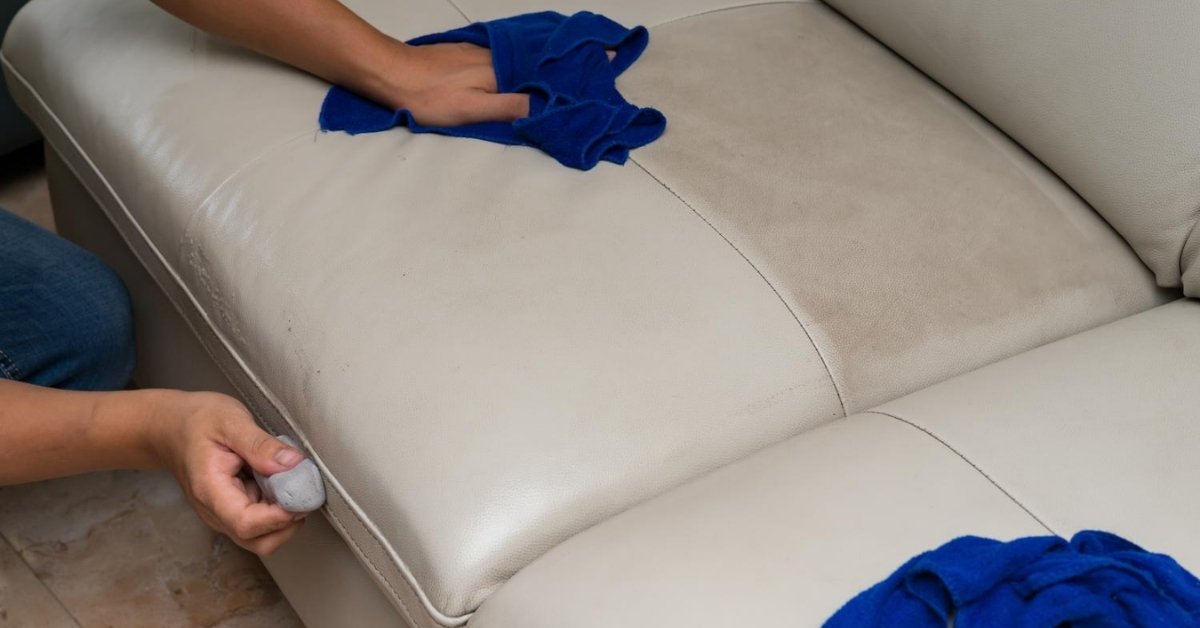
A leather couch is a timeless investment that adds elegance and comfort to any living space, but maintaining its beauty requires proper care. In this guide, you’ll learn how to clean leather couch surfaces safely and effectively using simple, proven methods. We’ll explore everyday cleaning routines, specialized techniques for white and distressed leather, and practical solutions for removing stubborn stains. You’ll also discover how conditioning preserves softness and prevents cracking over time. By following these step-by-step strategies, you can extend the lifespan of your furniture while keeping it looking fresh, polished, and luxurious without relying on expensive professional services.
How To Clean A Leather Couch – Simple & Effective Steps?
Cleaning a leather couch starts with understanding that leather is a natural material that requires gentle care. Unlike fabric upholstery, leather does not tolerate harsh chemicals or excessive moisture. The goal is to clean without stripping its natural oils.
Step-by-Step Cleaning Process
Follow these essential steps to clean your leather couch effectively:
- Dust and Vacuum First
Begin by removing loose dirt, crumbs, and debris using a soft cloth or vacuum with a brush attachment. Pay close attention to seams and crevices where dirt accumulates. - Prepare a Mild Cleaning Solution
Mix a few drops of mild soap (like dish soap) with warm water. Avoid strong detergents, bleach, or ammonia-based cleaners. - Wipe Gently
Dip a microfiber cloth into the solution, wring it out thoroughly, and wipe the surface in circular motions. The cloth should be damp, not wet. - Dry Immediately
Use a clean, dry cloth to remove any moisture. Leather absorbs water quickly, which can cause damage if left untreated. - Buff the Surface
Lightly buff the couch with a dry cloth to restore its natural shine.
Why This Method Works
Leather contains natural oils that keep it soft and flexible. Harsh cleaning products strip these oils, leading to cracks and dullness. Using a mild solution preserves the material’s integrity while removing dirt effectively.
Pro Tips for Better Results
- Clean your couch every 2–4 weeks to prevent buildup
- Avoid direct sunlight, which can fade leather
- Always test cleaning solutions on a hidden area first
By following these simple steps, you create a consistent cleaning routine that protects your investment and keeps your leather couch looking new.
How To Clean White Leather?
White leather couches are visually stunning but require extra care because they show dirt, stains, and discoloration more easily than darker shades.
Challenges of White Leather
White leather is more susceptible to:
- Dye transfer from clothing (especially denim)
- Visible dust and grime buildup
- Yellowing over time due to oxidation
Because of these factors, cleaning must be more frequent and precise.
Effective Cleaning Method for White Leather
Here’s how to safely clean white leather:
- Use a Gentle Cleaner
A mixture of mild soap and water works well, but for deeper cleaning, you can use a vinegar solution (equal parts water and white vinegar). - Apply with a Soft Cloth
Wipe gently in small sections to avoid spreading dirt. - Focus on High-Contact Areas
Armrests and seat cushions tend to collect the most dirt. Clean these areas more thoroughly. - Dry and Buff Immediately
Moisture can cause discoloration, so always dry the surface after cleaning.
Optional Deep Cleaning Solution
For tougher stains, you can use:
- Baking soda paste (lightly applied and wiped off)
- Specialized leather cleaners designed for light-colored furniture
Maintenance Tips
- Clean weekly to prevent buildup
- Avoid sitting with dark or dyed clothing
- Use throws or covers for added protection
White leather requires more attention, but with consistent care, it can remain bright and elegant for years.
How To Clean Distressed Leather?
Distressed leather has a unique, vintage appearance created through intentional aging techniques. This type of leather requires a different cleaning approach to preserve its character.
Understanding Distressed Leather
Distressed leather is designed to:
- Show natural marks and variations
- Develop a patina over time
- Look worn in a stylish, intentional way
Because of this, aggressive cleaning can ruin its aesthetic.
Safe Cleaning Process
Follow these steps to clean distressed leather properly:
- Dry Dusting Only
Use a soft cloth to remove dust. Avoid excessive moisture. - Use Minimal Liquid
If needed, lightly dampen a cloth with water—no साबुन or chemicals unless necessary. - Spot Clean Carefully
Gently dab stains instead of rubbing, which can alter the finish. - Allow Natural Drying
Do not use heat or hair dryers, as they can damage the texture.
What to Avoid
- Commercial leather cleaners with strong chemicals
- Excessive scrubbing
- Over-conditioning (can darken the leather unevenly)
Preserving the Look
Distressed leather improves with age. Small marks and variations are part of its charm, so focus on maintenance rather than perfection.
This approach ensures you maintain the authentic, rustic appeal while still keeping the couch clean and hygienic.
How To Remove Stains From Your Leather Couch?
Stains are inevitable, but quick and proper action can prevent permanent damage. Different stains require different solutions.
Common Types of Stains
Here are the most frequent stains found on leather couches:
- Oil and grease
- Ink marks
- Food spills
- Liquid stains (coffee, juice, etc.)
Stain Removal Methods
The table below outlines effective solutions for each type:
| Stain Type | Cleaning Method | Key Tip |
| Oil/Grease | Sprinkle baking soda, let sit, wipe off | Absorbs oil without damage |
| Ink | Dab with rubbing alcohol | Use minimal amount |
| Food | Mild soap solution | Clean immediately |
| Liquid | Blot with dry cloth | Avoid rubbing |
This table helps you quickly identify the right approach based on the stain type.
Step-by-Step Stain Removal
- Act immediately to prevent absorption
- Blot (don’t rub) the stain
- Apply the appropriate solution
- Wipe clean with a damp cloth
- Dry thoroughly
Important Tips
- Always test any solution on a hidden area
- Avoid excessive moisture
- Never use bleach or harsh chemicals
Proper stain removal not only restores the couch’s appearance but also prevents long-term damage.
How Do You Condition Your Leather Couch?
Cleaning alone is not enough—conditioning is essential to maintain leather’s softness and durability.
Why Conditioning Matters
Leather naturally loses moisture over time, leading to:
- Cracks
- Dryness
- Loss of shine
Conditioning replenishes oils and keeps the material flexible.
How to Condition Leather
Follow these steps for effective conditioning:
- Clean First
Always clean the couch before applying conditioner. - Apply Conditioner Sparingly
Use a soft cloth to apply a small amount. - Rub in Circular Motions
This ensures even distribution. - Let It Absorb
Allow the conditioner to sit for a few hours. - Buff the Surface
Use a dry cloth to remove excess and enhance shine.
How Often Should You Condition?
- Every 3–6 months for regular use
- More frequently in dry climates
Choosing the Right Conditioner
Look for products that:
- Are specifically designed for leather
- Do not contain harmful chemicals
- Provide UV protection
Benefits of Conditioning
- Extends lifespan of the couch
- Maintains softness and comfort
- Enhances appearance and color
Conditioning is the key step that transforms basic cleaning into long-term leather care.
Final Words
A leather couch is more than just furniture—it’s an investment in comfort and style. Learning how to clean and maintain it properly ensures that it remains a centerpiece in your home for years. From basic cleaning routines to specialized care for white and distressed leather, each method plays a role in preserving quality.
By addressing stains quickly and conditioning regularly, you protect the material from damage and aging. The key is consistency and using gentle, effective techniques rather than harsh shortcuts.
With the steps outlined in this guide, you now have everything you need to keep your leather couch looking elegant, clean, and well-maintained—without relying on expensive professional services.