
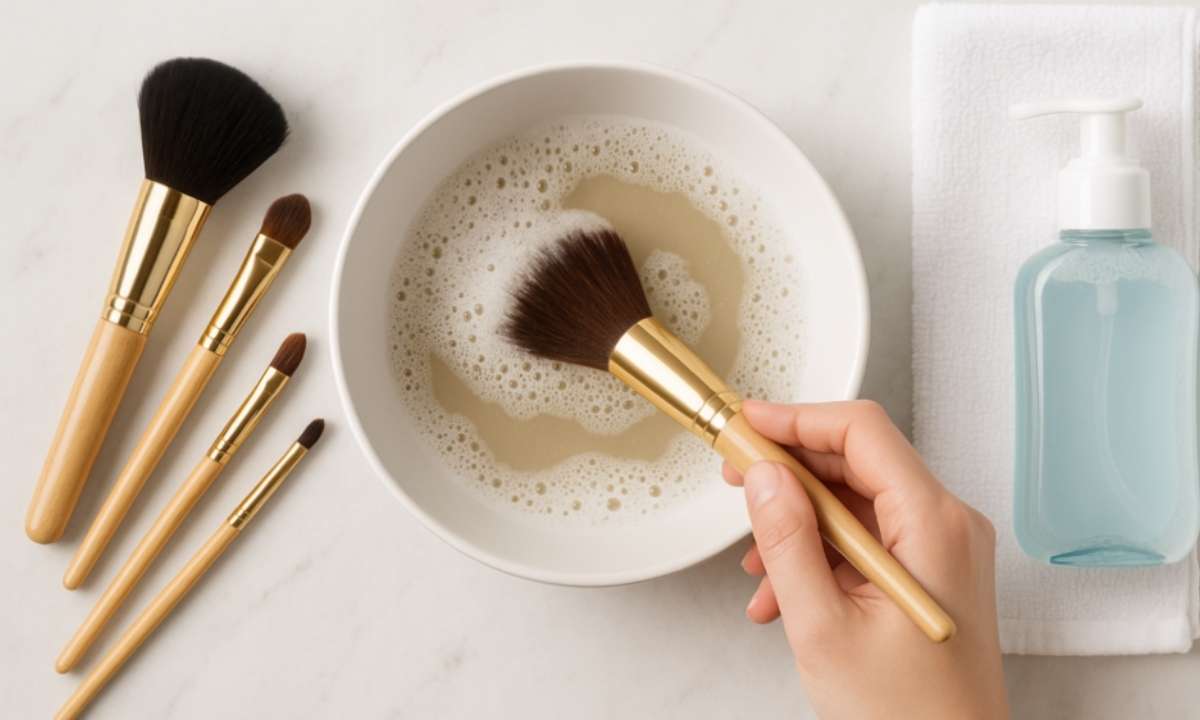
Dirty makeup brushes are silently sabotaging your skin. Most people spend good money on foundation and skincare but completely ignore the tools applying it all. Here’s the truth: unwashed brushes collect bacteria, old product, and dead skin cells fast.
This guide walks you through exactly how to clean makeup brushes properly, keep them in great shape, and protect your skin every single day.
Why Cleaning Makeup Brushes Is Important for Your Skin
Think of your makeup brush like a kitchen sponge. Leave it dirty long enough and it becomes a breeding ground for bacteria. Every time you use an unwashed brush, you’re pressing that bacteria directly onto your face.
Dermatologists consistently link dirty brushes to clogged pores, breakouts, and even skin infections. A 2020 study published in the Journal of Applied Microbiology found that up to 67% of beauty tools tested positive for harmful bacteria including E. coli and Staphylococcus.
Beyond skin health, dirty brushes affect your makeup application too. Old product buildup muddies your colors and makes blending nearly impossible.
| Clean Brush | Dirty Brush |
| Smooth, even finish | Patchy, streaky results |
| No bacteria transfer | Breakouts and irritation |
| True color payoff | Muddy, mixed pigments |
| Longer brush lifespan | Bristles break down faster |
How Often Should You Clean Makeup Brushes?
Most people clean their brushes way too rarely. A good rule of thumb is to wash face brushes every one to two uses and eye brushes every two weeks. Here’s a simple schedule to follow:
| Brush Type | Cleaning Frequency |
| Foundation brush | Every 1 to 2 uses |
| Concealer brush | After every use |
| Blush or powder brush | Once a week |
| Eye shadow brush | Every 2 weeks |
| Lip brush | After every use |
If you have acne-prone skin, bump up your cleaning frequency. Your skin will thank you.
Best Way to Clean Makeup Brushes at Home
You don’t need expensive tools or a salon setup. Just lukewarm water, a gentle cleanser, and about five minutes of your time.
Follow these steps to properly clean makeup brushes at home:
- Wet the bristles with lukewarm water pointing downward
- Apply one small drop of gentle cleanser to your palm
- Swirl the brush gently against your palm in circular motions
- Rinse thoroughly until the water runs completely clear
- Gently squeeze out any excess water without pulling bristles
- Reshape the bristles carefully back to their original form
- Lay the brush flat on a clean towel to dry
Never let water run into the ferrule. That’s the metal part connecting the bristles to the handle. Water trapped there loosens the glue and causes shedding.
How to Clean Makeup Brushes Without Brush Cleaner
No brush cleaner at home? No problem. Several common household items work just as well. Baby shampoo is the gold standard alternative. It’s gentle, effective, and won’t strip natural bristles. Micellar water works great for quick spot cleaning between uses. A mix of olive oil and dish soap breaks down heavy product buildup surprisingly well.
Avoid using hot water or rubbing alcohol on natural hair bristles. Both strip moisture and cause serious damage over time.
How to Deep Clean Makeup Brushes Naturally
Regular cleaning removes surface product. Deep cleaning goes further and targets bacteria and oil that builds up over weeks of use.
Natural ingredients like castile soap, coconut oil, and tea tree oil make excellent deep cleaners. Tea tree oil is especially useful because of its natural antibacterial properties. Add just two or three drops to your regular cleanser and work it through the bristles thoroughly.
Deep clean your brushes once a month at minimum. For heavy daily users, every two weeks is better.
How to Clean Foundation Brushes Properly
Foundation brushes take the most punishment. Liquid and cream products cling to bristles deeply and require a bit more effort to fully remove.
Use the double-cleanse method here. First pass removes the bulk of product. The second pass gets everything else out. You’ll know your foundation brush is truly clean when the rinse water runs completely colorless with no trace of tint.
How to Clean Makeup Sponges and Beauty Blenders
Your Beauty Blender needs cleaning after every single use. Seriously. Sponges absorb product deep inside and moisture makes them a perfect environment for mold and bacteria growth.
Wet the sponge fully, apply a solid brush cleanser or baby shampoo, then use a squeeze-and-release motion under running water. Keep going until no color transfers out. Replace your sponge every three months regardless of how well you clean it.
Can You Clean Makeup Brushes With Dish Soap?
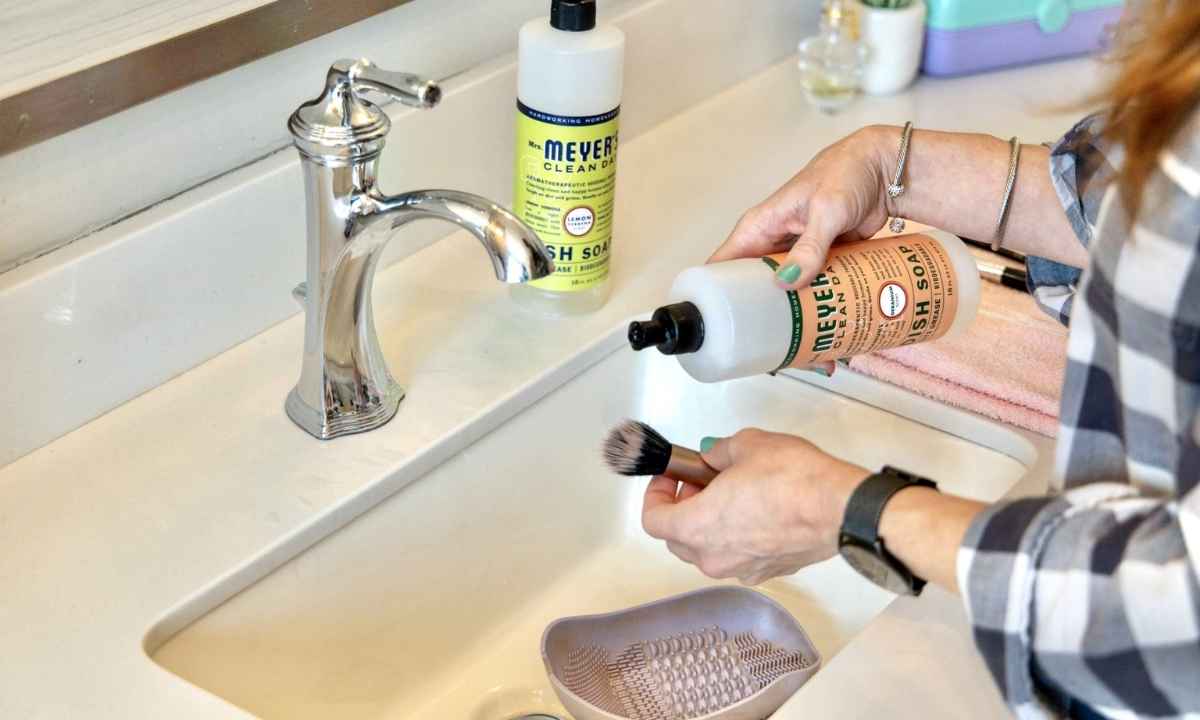
Yes, but use it carefully. Dish soap like Dawn cuts through grease and heavy product effectively. However it can dry out natural bristle brushes with repeated use.
Dilute dish soap with equal parts water before using it. Synthetic brushes handle dish soap much better than natural hair ones. Use it as an occasional deep cleaner rather than your everyday go-to.
How to Dry Makeup Brushes the Right Way
Drying your brushes upright is one of the biggest mistakes you can make. Water drips down into the ferrule and loosens the glue holding bristles in place.
Always dry brushes flat on a clean towel. Point the bristles slightly off the edge of a counter so air circulates all around them. Here’s a realistic drying timeline:
| Brush Type | Average Drying Time |
| Small eye brush | 2 to 4 hours |
| Blush or contour brush | 4 to 6 hours |
| Large powder brush | 6 to 8 hours |
| Foundation brush | 6 to 10 hours |
Common Mistakes to Avoid When Cleaning Makeup Brushes
Even careful people make these errors. Watch out for: Getting water inside the ferrule. Using water that’s too hot. Rubbing bristles side to side aggressively. Drying brushes standing upright in a cup. Not rinsing out all the soap residue. Skipping the reshaping step after washing. Each mistake shortens your brush lifespan significantly.
How to Disinfect Makeup Brushes Safely
Cleaning removes product. Disinfecting kills bacteria. You need both.
Lightly mist clean dry brushes with 70% isopropyl alcohol after washing. Don’t soak them. A light spritz on the bristles is enough to sanitize effectively. This step matters most if you’ve been sick or share brushes with anyone.
How to Clean Makeup Brushes for Sensitive Skin
Sensitive skin requires fragrance-free, sulfate-free cleansers. Even small residue from harsh soaps can trigger reactions. Rinse twice as thoroughly as you normally would and always let brushes dry completely before using them again.
The American Academy of Dermatology recommends patch-testing any new cleaner before regular use. Visit AAD.org for more guidance on sensitive skin care.
DIY Makeup Brush Cleaner Recipe (Natural and Budget-Friendly)
Skip the expensive store-bought cleaners. These three recipes work brilliantly.
Recipe 1: The Classic 1 tablespoon castile soap plus 1 tablespoon olive oil mixed in a small bowl.
Recipe 2: Tea Tree Fresh 2 tablespoons baby shampoo plus 3 drops tea tree oil plus 1 cup warm water.
Recipe 3: Quick Spray Cleaner Half cup distilled water plus quarter cup witch hazel plus 5 drops lavender oil in a small spray bottle.
How to Store Makeup Brushes After Cleaning
Storage matters more than most beginners realize. Keep clean brushes in a cup or brush roll in a cool dry location. Bathrooms are humid and humidity promotes bacteria growth fast.
Cover stored brushes loosely with a dust cover or clean cloth when not in use. Keep them away from open windows and direct sunlight which can warp handles and fade bristles over time.
Signs It’s Time to Replace Your Makeup Brushes
Even well-maintained brushes eventually reach the end of their life. Replace yours when you notice persistent shedding that won’t stop, bristles that stay bent or misshapen after cleaning, a smell that survives multiple washes, or a scratchy texture that irritates your skin.
Quality brushes typically last two to five years with proper care. Budget-friendly replacements from brands like EcoTools or Real Techniques are widely available across the USA.
FAQ’S
What is the fastest way to clean makeup brushes?
Spritz bristles with a quick-dry brush cleaning spray and wipe on a clean cloth. Done in under 60 seconds. It’s perfect between uses but doesn’t replace a proper weekly wash.
Can I use shampoo to clean makeup brushes?
Baby shampoo works great. Regular shampoo often contains stronger surfactants that strip natural bristles over time. Stick with the gentlest formula you can find.
How do professionals clean makeup brushes?
Professional makeup artists spray 70% isopropyl alcohol between clients for quick disinfection then deep clean with professional brush soap at the end of every working day.
Is it bad to use dirty makeup brushes?
Absolutely. Dirty brushes transfer bacteria, old product, and oils directly onto your skin every single use. Breakouts, irritation, and infections are common results.
How long do makeup brushes take to dry?
Anywhere from two hours for small brushes to ten hours for large foundation brushes. Always plan ahead and wash brushes the night before you need them.
Conclusion
Cleaning your makeup brushes isn’t optional, it’s essential. Your skin, your makeup application, and your brush investment all depend on it. Start small. Pick one brush today and give it a proper wash using any method from this guide.
Build the habit gradually and you’ll notice cleaner skin and better makeup results almost immediately. Good brushes cleaned well truly make all the difference.