
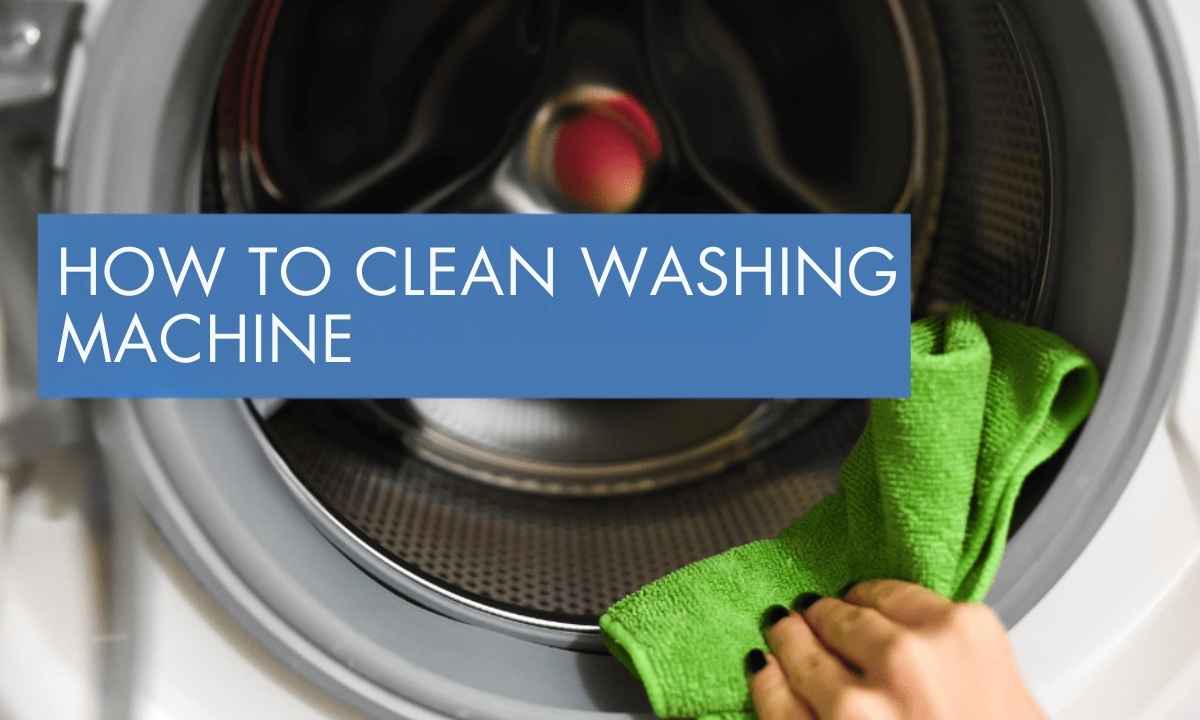
Your washing machine works hard cleaning your clothes every week. But here’s something shocking: that same machine harbors bacteria, mold, and grime that makes your laundry smell worse. Most people never think about cleaning their washer until strange odors appear.
This comprehensive guide shows you exactly how to clean a washing machine using simple methods. Get ready to transform your laundry routine.
Why You Should Clean Your Washing Machine
Think your washer cleans itself? Wrong. Each load leaves behind detergent residue, fabric fibers, and minerals from water. These create the perfect breeding ground for bacteria and mold.
A dirty washing machine costs you money. It works harder, uses more energy, and breaks down faster. Regular cleaning extends your appliance’s lifespan by years. You’ll save hundreds, maybe thousands, on premature replacement.
Your health matters too. Mold spores and bacteria transfer directly onto your supposedly clean clothes. People with allergies or sensitive skin suffer most. Clean your washer, protect your family.
Signs Your Washing Machine Needs Cleaning
Musty odors are the biggest red flag. If your washer smells like mildew, you’ve got problems. Clothes coming out smelling sour? That’s bacteria talking.
Look for these visual warnings:
- Black spots on door gasket
- Soap scum in detergent drawer
- Grimy film inside drum
- Standing water after cycles
Performance issues signal trouble too. Clothes not getting fully clean anymore means buildup is interfering. Excessive vibration during spin cycles indicates imbalance from residue accumulation.
How to Clean a Washing Machine Step by Step
Gather these supplies first: white vinegar (4 cups), baking soda (half cup), microfiber cloths, old toothbrush, and rubber gloves.
Start by removing the detergent dispenser. Soak it in warm soapy water for 15 minutes. Scrub away buildup with your toothbrush. Rinse thoroughly before reinstalling.
Next, tackle the drum interior. Pour 4 cups of white vinegar directly into the empty drum. Run the hottest, longest cycle available. This dissolves mineral deposits and kills bacteria naturally.
For the door seal, lift the rubber gasket carefully. Wipe away visible mold and residue with a vinegar-soaked cloth. Check those hidden folds where grime loves hiding. Dry completely when finished.
Front loaders need filter cleaning. Locate the small access panel near the bottom. Place towels underneath because water will spill. Unscrew the filter slowly. Remove lint, coins, and debris. Rinse under tap water before replacing securely.
Best Methods to Remove Bad Smell

Vinegar works miracles on washing machine odors. The acetic acid kills odor-causing bacteria while dissolving soap scum. Pour 2 cups into the drum and run a hot cycle.
Baking soda neutralizes smells naturally. Sprinkle half a cup directly into the drum after the vinegar cycle. Run another hot cycle immediately. The combination creates powerful cleaning action without harsh chemicals.
For stubborn mold, use diluted bleach sparingly. Mix 1 cup bleach with water and wipe affected areas. Never mix bleach with vinegar because toxic fumes result. Always choose one method per cleaning session. Prevent odors by leaving your door open between washes. Air circulation stops mold growth before it starts. Wipe the gasket dry after every load. Use high-efficiency detergent in correct amounts only.
Cleaning Front Load Washing Machine
Front loaders trap moisture because of their horizontal design. That rubber door seal creates an airtight environment perfect for mold. Pay special attention to gasket folds. Lift each section and wipe thoroughly. Black mold loves these hidden spots. Weekly wiping prevents major problems.
Use your machine’s self-clean cycle monthly. Add a washing machine cleaner tablet or 2 cups vinegar. Run on the hottest setting available. This maintains freshness between deep cleans.
Check your filter monthly minimum. Clogged filters cause drainage problems and bad smells. Front loaders accumulate more debris here than top loaders do.
Cleaning Top Load Washing Machine
Top loaders offer easier access for manual scrubbing. Fill your washer with the hottest water to maximum level. Add 4 cups white vinegar and let it agitate briefly.
Pause the cycle and let everything soak for one full hour. This gives vinegar time to break down deposits. Scrub the sides with a long-handled brush during this soak. Add half a cup of baking soda after soaking. Resume the cycle and let it complete fully. Run an extra rinse cycle with plain water to remove all residue.
High-efficiency top loaders use less water. Use the clean cycle feature if your model has one. Follow manufacturer instructions for best results with HE machines.
Natural Cleaning with Vinegar and Baking Soda
White vinegar dissolves mineral deposits from hard water beautifully. Its natural acidity breaks down soap scum without damaging machine components. Plus it costs pennies compared to commercial cleaners.
Baking soda provides gentle scrubbing action. It neutralizes acidic odors while brightening dingy interiors. Together, these create an unbeatable cleaning duo.
Here’s the complete natural method:
- Run hot cycle with 4 cups vinegar
- Pause cycle and soak 1 hour
- Add half cup baking soda
- Resume and complete cycle
- Run extra rinse with plain water
- Wipe down and air dry
Never mix vinegar with bleach. This creates dangerous chlorine gas. Stick to natural cleaners or chemical cleaners, never both together.
How Often Should You Clean a Washer
Monthly deep cleaning keeps most washers fresh. Hard water areas need cleaning every 2-3 weeks. Large families doing multiple daily loads should clean weekly.
Quick maintenance after every load prevents bigger problems. Leave the door open for air circulation. Wipe moisture from the gasket. Remove wet clothes within 30 minutes of cycle completion.
Create a simple schedule:
| Frequency | Task |
| After Every Load | Leave door open, wipe gasket |
| Weekly | Check for debris, run hot cycle |
| Monthly | Deep clean with vinegar, clean filter |
| Quarterly | Inspect hoses, check all seals |
Adjust based on your specific needs. Persistent odors mean you need more frequent cleaning sessions.
Tips to Keep Washing Machine Fresh
Use the right detergent amount always. More soap doesn’t mean cleaner clothes. Excess detergent leaves residue that feeds bacteria. Follow package directions exactly. Skip fabric softener or use sparingly. Liquid softener leaves waxy buildup inside your machine. Try vinegar in the rinse cycle instead. Dryer sheets provide softness without machine residue.
Don’t overstuff your drum. Clothes need room to move and rinse properly. Overloading prevents proper water circulation and leaves detergent behind.
Run a hot water cycle weekly minimum. Hot water kills bacteria and dissolves buildup naturally. Most people wash in cold water exclusively, which allows grime accumulation.
Common Washing Machine Cleaning Mistakes
Closing the door immediately after washing traps moisture inside. This creates the perfect mold habitat. Always leave front loaders cracked open. Top loaders can stay open completely. Mixing cleaning products causes dangerous reactions. Bleach plus vinegar creates toxic chlorine gas. Bleach plus ammonia produces poisonous fumes. Use one cleaner per session only.
Neglecting the filter leads to drainage problems. Clogged filters make your machine work harder and smell worse. Clean filters monthly for front loaders, quarterly for top loaders.
Using too much detergent creates more problems than it solves. Excess soap leaves residue that attracts dirt and breeds bacteria. Measure carefully every single time. Ignoring manufacturer instructions voids warranties. Every machine has specific cleaning requirements. Read your manual and follow recommended procedures for your model.
FAQs
Can I use apple cider vinegar to clean my washing machine?
White vinegar works best. Apple cider vinegar contains sugars that leave residue behind in drum.
How do I clean mold from washing machine rubber seal?
Lift gasket folds. Spray diluted bleach or vinegar. Scrub with cloth. Dry completely after cleaning.
Why does my washing machine still smell after cleaning it?
Check filter for clogs. Clean gasket folds thoroughly. Leave door open always for air circulation.
Can I clean my washing machine with just baking soda?
Baking soda alone helps but vinegar works better. Combine both for maximum cleaning and deodorizing power.
Is it safe to use bleach in washing machines?
Yes, use one cup maximum. Never mix with vinegar. Run extra rinse cycle to remove residue.
Conclusion
Cleaning your washing machine transforms your entire laundry experience. Fresh-smelling clothes, better cleaning performance, and longer machine life await you. Start with a deep vinegar clean this weekend.
Set monthly reminders for consistent maintenance. Leave that door open after every wash. These simple habits prevent expensive problems down the road. Your washer cleans your clothes faithfully, so return the favor with regular care and attention.