
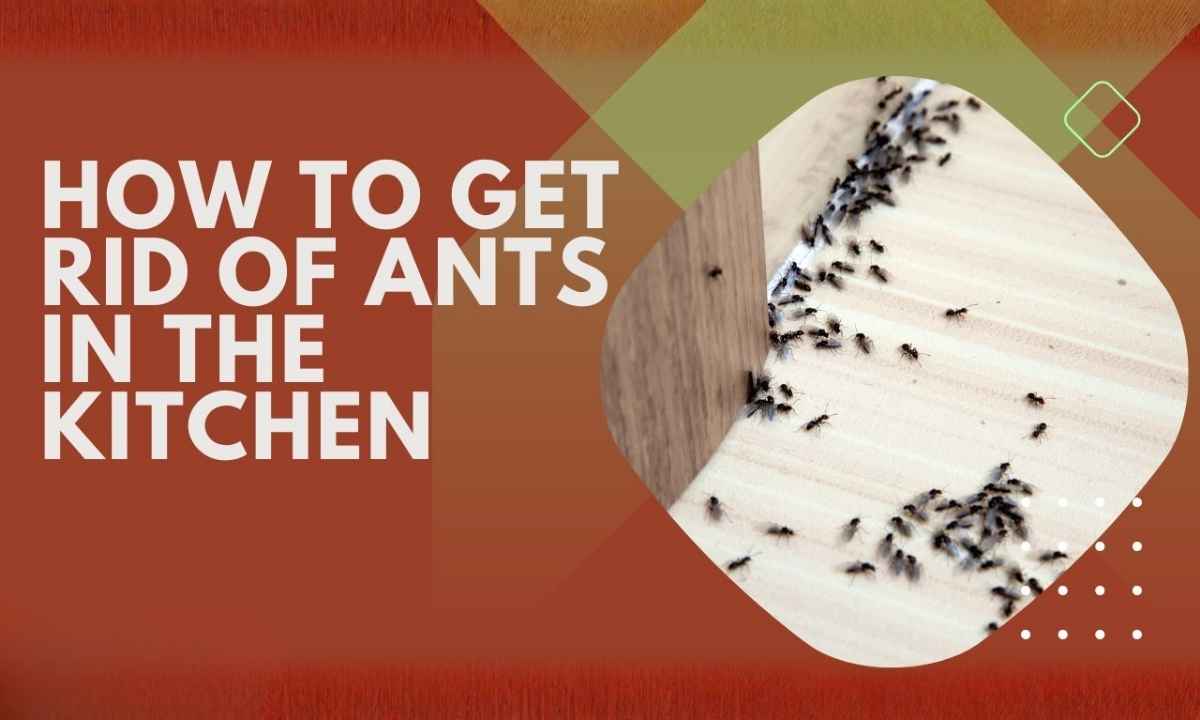
Finding a line of ants marching across your kitchen counter is never a good sign. One scout ant means hundreds more are on the way. The good news is that you do not need to call a pest control company right away. With the right approach, you can remove ants from your kitchen fast and stop them from coming back.
This guide covers everything from identifying the type of ant to using natural remedies, bait traps, and long-term prevention tips.
Why Are There Ants in Your Kitchen?
Ants enter your kitchen for three main reasons: food, water, and shelter. They are especially attracted to:
- Sugary foods like honey, syrup, fruit, and baked goods
- Protein-rich items like meat, pet food, and greasy surfaces
- Standing water near the sink or leaky pipes
- Crumbs and food residue left on counters, stovetops, and appliances
Once a scout ant finds food, it releases chemical pheromone trails to guide hundreds of other colony members to the same spot. That is why killing visible ants with a spray does not solve the problem long-term.
Common Types of Ants Found in Kitchens
Knowing which ant species you are dealing with helps you choose the right treatment.
| Ant Type | Size | Appearance | What Attracts Them |
| Odorous House Ant | Very small | Dark brown or black | Sweets, sugary liquids |
| Pharaoh Ant | Tiny | Pale yellow or light brown | Sugar and protein |
| Pavement Ant | Small | Dark brown | Almost anything |
| Carpenter Ant | Large | Black | Damp or rotting wood |
| Sugar Ant | Small | Black or brown | Sweet foods |
For most home kitchen invasions, small black ants such as odorous house ants or sugar ants are the main culprit. Carpenter ants are a more serious problem and usually require professional pest control help.
How to Get Rid of Ants in Kitchen: Step-by-Step
Step 1: Track the Ant Trail
Before you reach for a spray, watch the ants for a few minutes. Follow their trail to find out where they are entering your kitchen and where they are headed. This tells you the colony location and the food source, both of which you need to address.
Step 2: Use Ant Bait Traps
Ant bait is the most effective method to eliminate an entire ant colony, not just the visible ones. Worker ants carry the bait back to the nest, where the queen and colony members consume it.
Place bait stations:
- Along the ant trail, not directly on top of it
- Near suspected entry points such as window frames, door gaps, and baseboards
- Under appliances like the refrigerator and stove
- Outside near the foundation if you see ant activity there
Liquid bait products that use borax as an active ingredient are popular and effective. Give the bait two to five days to work. Do not spray insecticide near the bait, as this will repel the ants and stop them from taking the bait back to the nest.
Step 3: Apply Natural Remedies to Disrupt Pheromone Trails
Natural home remedies will not eliminate the colony on their own, but they help break the ant scent trail and deter more ants from entering.
Vinegar Spray Mix equal parts white vinegar and water in a spray bottle. Spray directly on ant trails, entry points, countertops, and baseboards. Vinegar breaks up the pheromone trail that ants use to navigate. Repeat after cleaning or mopping.
Diatomaceous Earth (DE) Food-grade diatomaceous earth is one of the most reliable natural killers. The fine powder dehydrates ants that walk through it. Sprinkle it along baseboards, under appliances, and around entry points. Always use food-grade DE, which is safe around humans and pets.
Cinnamon and Cayenne Pepper Sprinkle ground cinnamon or cayenne pepper near ant entry points. These strong smells interfere with the ant’s chemical trail and act as a natural repellent. They do not kill ants but effectively redirect them away from treated areas.
Peppermint Essential Oil Mix 10 to 15 drops of peppermint oil with water in a spray bottle. Apply to windowsills, doorways, and any cracks where ants enter. The strong scent disorients ants and acts as a barrier.
Dish Soap and Water A simple mix of a few drops of dish soap in water kills ants on contact. The soap breaks down their outer layer, causing them to dehydrate. Spray directly on ants and along their trail.
Borax and Sugar Mix Combine one part borax with three parts powdered sugar and add a small amount of water to make a thick paste. Place it on shallow dishes near ant trails. Ants carry this back to their colony, which eventually wipes out the nest. Keep away from pets and small children.
Step 4: Seal Entry Points
Once the current infestation is under control, you need to block the ways ants get in. Common entry points include:
- Cracks around window frames and door frames
- Gaps around plumbing pipes and electrical conduits
- Small holes near baseboards and behind kitchen cabinets
- Foundation cracks and gaps near utility lines
Use caulk or foam sealant to close these openings. Inspect the outside perimeter of your home and cut back any tree branches or plants that touch exterior walls, as these act as bridges for ants.
Must Read: How to Remove Tonsil Stones at Home
How to Prevent Ants from Coming Back
Getting rid of ants is only half the battle. Keeping them out requires consistent habits.
Kitchen Cleaning Habits That Work
- Wipe down counters and stovetops after every meal
- Store pantry items in airtight containers, especially sugar, honey, flour, and cereal
- Do not leave dirty dishes in the sink overnight
- Empty the trash regularly and keep the bin lid sealed
- Fix leaky pipes and eliminate standing water near the sink
- Clean behind and under appliances like the toaster, coffee maker, and microwave
- Pick up pet food bowls as soon as your pet finishes eating
Natural vs Commercial Ant Control: Which One Works Better?
| Method | Effectiveness | Safe for Kids/Pets | Speed |
| Ant Bait Traps | High | Yes (when placed carefully) | 2 to 5 days |
| Diatomaceous Earth | Medium to High | Yes (food-grade only) | 1 to 3 days |
| Vinegar Spray | Low to Medium | Yes | Immediate but short-term |
| Essential Oils | Low to Medium | Yes | Short-term deterrent |
| Borax and Sugar | High | Keep away from pets | 3 to 7 days |
| Commercial Insecticide Spray | Medium | No (toxic fumes) | Immediate but surface only |
When to Call a Professional
Most small ant infestations can be handled at home. However, you should contact a licensed pest control professional if:
- The infestation returns repeatedly despite treatment
- You spot large black carpenter ants, which can damage wood structures
- You notice ants inside walls or behind appliances in large numbers
- Bait traps show no results after two weeks
Professional exterminators can identify the exact ant species, locate hidden nests inside walls and foundations, and apply targeted treatments that go beyond what store products offer.
FAQs
What is the fastest way to get rid of ants in the kitchen?
The fastest way is to use liquid ant bait traps placed along the ant trail. They attract worker ants who carry the poison back to the colony, eliminating the source within a few days.
Why do ants keep coming back to my kitchen even after cleaning?
Ants return because they can still detect old pheromone trails or find new food and water sources. Seal all entry points and clean thoroughly with vinegar to erase scent trails completely.
Is vinegar effective at killing ants?
Vinegar disrupts pheromone trails and deters ants temporarily, but it does not kill the entire colony. Use it alongside bait traps for a complete solution.
Are natural ant remedies safe to use around children and pets?
Food-grade diatomaceous earth, vinegar, and essential oils are generally safe. Borax mixtures should always be placed out of reach of children and pets.
How do I stop ants from entering my kitchen naturally?
Seal all cracks and entry points, store food in airtight containers, keep the kitchen dry and clean, and use natural deterrents like peppermint oil, cinnamon, or cayenne pepper near entry points.
Conclusion
Getting rid of ants in your kitchen takes a two-step approach: eliminate the current infestation at its source and prevent new ants from entering. Ant bait traps work best for killing the colony, while natural remedies like diatomaceous earth, vinegar, and essential oils help disrupt trails and deter scouts.
Combine these methods with consistent kitchen hygiene and sealed entry points, and you will keep your kitchen ant-free for the long term. If the problem persists or you are dealing with carpenter ants, do not hesitate to call a professional.