
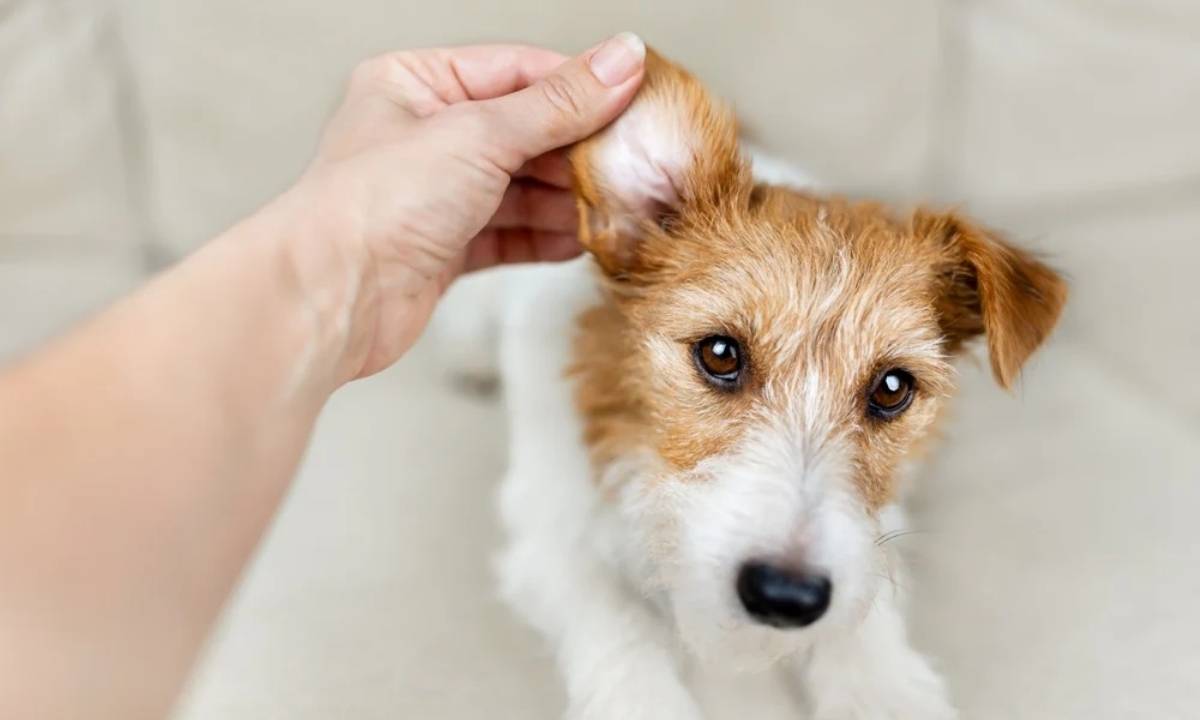
You just noticed your dog’s ear looks puffy, swollen, and soft like a water balloon. Your dog keeps shaking their head and pawing at it. It is most likely an ear hematoma, and yes, it is as uncomfortable as it looks. The good news is that for small, mild cases, you can take several steps at home to reduce swelling and keep your dog comfortable while you arrange a vet visit.
This guide covers everything you need to know about dog ear hematoma, including what causes it, what you can do at home, when to stop home care, and when to call the vet immediately.
What Is a Dog Ear Hematoma?
A dog ear hematoma, also called an aural hematoma, happens when tiny blood vessels inside the ear flap (pinna) rupture and blood collects between the skin and the ear cartilage. The result is a soft, fluid-filled swelling that can range from a small lump to covering the entire ear flap.
At first the swelling feels spongy and warm. Over time, if left untreated, the blood clots and the ear stiffens. Eventually scar tissue forms and causes a permanent crinkled shape known as “cauliflower ear.”
Common Causes of Ear Hematoma in Dogs
Understanding what triggers an aural hematoma helps prevent it from coming back. The most common causes include:
- Ear infections (bacterial or yeast) causing intense itching
- Ear mites leading to repeated head shaking
- Seasonal or food allergies causing skin and ear inflammation
- Foreign objects stuck in the ear canal
- Trauma from a bite wound or rough play
- Bleeding disorders (less common)
Breeds with large, floppy ears such as Cocker Spaniels, Basset Hounds, and Golden Retrievers are more prone to this condition because their ear shape traps moisture and promotes infection.
Signs and Symptoms to Watch For
| Symptom | Mild Hematoma | Severe Hematoma |
| Swelling size | Small, partial ear flap | Entire ear flap, drooping |
| Texture | Soft, slightly warm | Firm, hot to touch |
| Dog behavior | Occasional head shaking | Constant shaking, crying when touched |
| Appetite | Normal | May decrease due to pain |
| Ear color | Slightly red | Deep red or purple |
If your dog still eats and plays normally and the swelling is small, home care may help temporarily. If the ear is hot, deeply red, and your dog cries when you touch it, contact your vet right away.
How to Treat Dog Ear Hematoma at Home
Home treatment is best suited for small hematomas where your dog is still calm, eating well, and not in obvious pain. Think of these steps as first aid to reduce discomfort and slow the swelling while you work toward professional care.
Step 1: Apply Warm and Cold Compresses
This is the most effective home step you can take. Alternating warm and cold compresses helps encourage trapped blood to reabsorb and reduces inflammation.
Here is how to do it correctly:
- Soak a clean cloth in warm (not hot) water and apply it gently to the swollen ear for 5 to 10 minutes. The warmth improves circulation and helps loosen clotted fluid.
- Follow with a cold compress (ice wrapped in a thin towel) for another 5 to 10 minutes. Cold slows blood flow and reduces swelling and pain.
- Repeat this cycle two to three times a day.
Never place ice directly on the skin. Always wrap it in a cloth first.
Step 2: Use an Elizabethan Collar (E-Collar)
One of the biggest mistakes dog owners make is skipping the cone. Every time your dog shakes their head or scratches at the ear, they risk making the hematoma worse. An E-collar, also called “the cone,” physically prevents this.
If your dog finds a hard plastic cone too stressful, try an inflatable collar instead. It is gentler and still does the job.
Step 3: Wrap the Ear Gently
After each compress session, you can gently wrap the ear flat against your dog’s head using a soft bandage or a product called a No-Flap Ear Wrap. This applies light pressure to the ear pocket and reduces further blood collection.
Make sure the bandage is not too tight. Check it frequently and replace it if it gets wet or dirty.
Step 4: Keep the Area Clean
Wipe the outer surface of the ear gently with a damp cloth to keep it free of dirt and debris. Do not attempt to clean deep inside the ear canal at home unless your vet has directed you to do so.
Step 5: Monitor the Swelling Daily
Check the size of the hematoma every day. Take a photo to compare changes. If the swelling is shrinking slowly, home management is working. If it grows larger or your dog seems more uncomfortable, stop home treatment and contact your vet.
What NOT to Do at Home
This point cannot be stressed enough. Many pet owners look for shortcuts, but certain actions cause more harm than good.
Never do the following:
- Try to drain or needle the hematoma yourself. This introduces bacteria, risks serious infection, and rarely solves the problem since the pocket simply refills.
- Apply medications not prescribed by a vet.
- Use tight bandages that cut off circulation.
- Ignore the underlying cause such as an ear infection or allergies.
Can a Dog Ear Hematoma Heal on Its Own?
Yes, some small hematomas do reabsorb over time without treatment. However, this process can take several weeks to months, and it almost always results in some degree of cauliflower ear due to internal scarring. This thickened, crinkled ear shape can actually block the ear canal, making future infections more likely.
Home treatment reduces the risk of that outcome, but professional veterinary care gives your dog the best chance of a full, clean recovery.
When to See the Vet Instead of Treating at Home
Home care is only appropriate for mild, stable cases. Take your dog to the vet if you notice any of the following:
- The swelling is growing rapidly within a few hours
- The ear feels very hot and looks deep red or purple
- Your dog cries, growls, or snaps when the ear is touched
- Your dog stops eating or seems unusually low in energy
- The hematoma is blocking the ear canal
- There are signs of discharge, foul odor, or infection
If your dog has mild swelling but no signs of pain, schedule a vet appointment within one to two days. For rapid growth or severe discomfort, seek emergency veterinary care immediately.
Veterinary Treatment Options
Your vet has several effective options depending on the size and severity of the hematoma:
- Needle aspiration: A thin needle drains the blood. Simple and low-cost but often needs to be repeated.
- Surgical drainage and suturing: The most reliable option. The vet drains the pocket and stitches the layers of the ear together to prevent refilling.
- Steroid injections: Sometimes injected into the ear flap after draining to control inflammation.
- Oral steroids or anti-inflammatory medication: Used for mild cases or combined with drainage.
How to Prevent Ear Hematomas in the Future
Prevention focuses on treating the root cause. If your dog develops an ear hematoma, there is almost always an underlying issue driving the head shaking and scratching.
To prevent recurrence:
- Clean your dog’s ears regularly with a vet-approved ear cleanser
- Treat ear infections promptly with the right antibiotics or antifungal medication
- Manage allergies with your vet’s guidance, whether through diet changes, antihistamines, or allergy shots
- Check your dog’s ears weekly for redness, odor, or unusual discharge
- Dry your dog’s ears thoroughly after swimming or bathing
Frequently Asked Questions
Can I drain my dog’s ear hematoma at home?
No. Draining at home risks serious infection, improper healing, and the hematoma will likely refill. Always have a vet drain it under sterile conditions.
How long does a dog ear hematoma take to heal at home?
Small hematomas may reabsorb in 2 to 4 weeks with home care, but larger ones can take months and often result in cauliflower ear.
Will my dog’s ear look normal after a hematoma?
With prompt veterinary treatment, the ear can return close to normal. Without treatment or with delayed care, some permanent thickening or wrinkling is likely.
Is a dog ear hematoma painful?
Yes, it is quite painful for dogs. Even a small hematoma causes significant discomfort due to pressure building inside the ear flap.
What breeds are most prone to ear hematomas?
Dogs with large, floppy ears such as Cocker Spaniels, Basset Hounds, Labrador Retrievers, and Golden Retrievers are most commonly affected.
Conclusion
A dog ear hematoma is uncomfortable and worrying to see, but acting quickly makes a real difference. For small, mild cases, alternating warm and cold compresses, using an E-collar, and gentle ear wrapping can reduce swelling and protect the ear while you arrange professional care.
Never attempt to drain the hematoma yourself, and always treat the underlying cause to prevent it from returning. The sooner your dog receives proper care, whether at home or at the vet, the better their chances of a full recovery without permanent ear damage.